
You do not need a spare room to have a home gym. You need about two square metres, a handful of versatile pieces of equipment, and a corner that looks intentional instead of improvised. In a small apartment, the difference between a workout corner you actually use and one that becomes a drying rack is almost entirely about how it looks and how easy it is to start.
The 12 ideas below build a small-apartment gym that fits in a corner, a stretch of wall, or the end of a bedroom — with storage that hides everything when you are done, and styling that means you never have to apologize for it when guests come over.
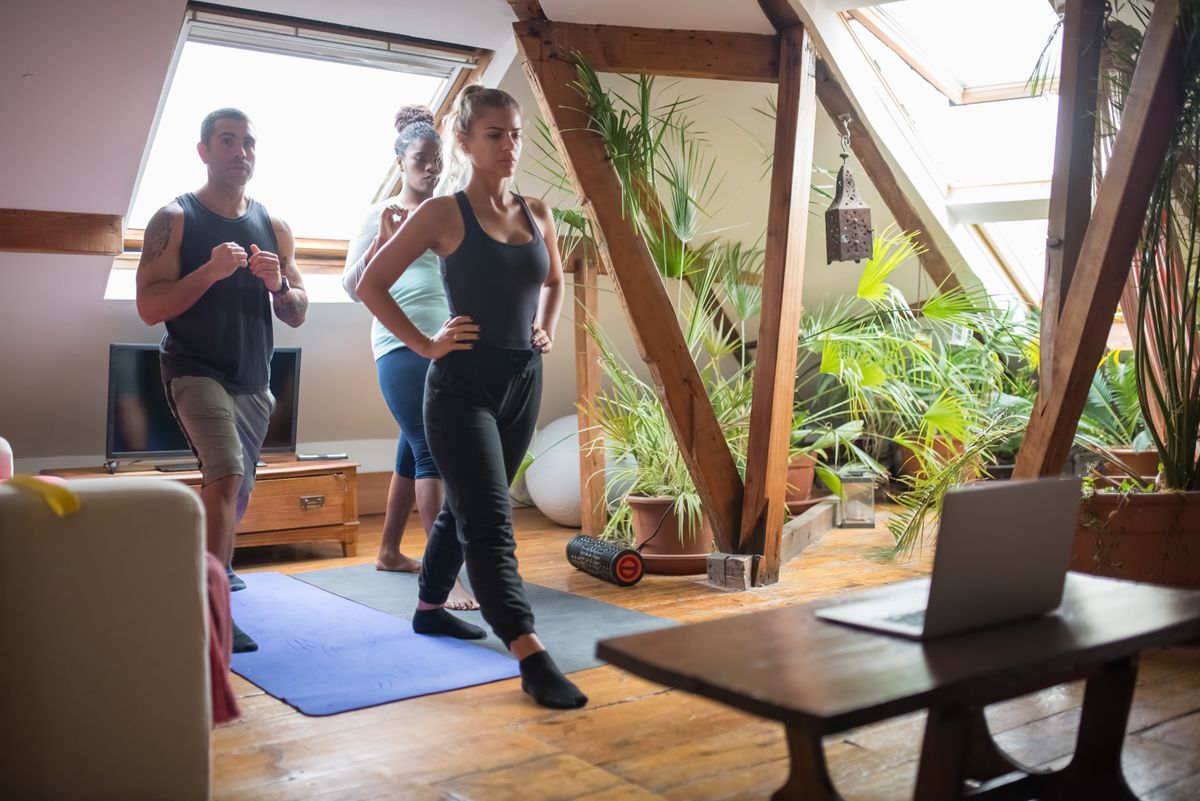
1. Claim a Corner, Not a Room
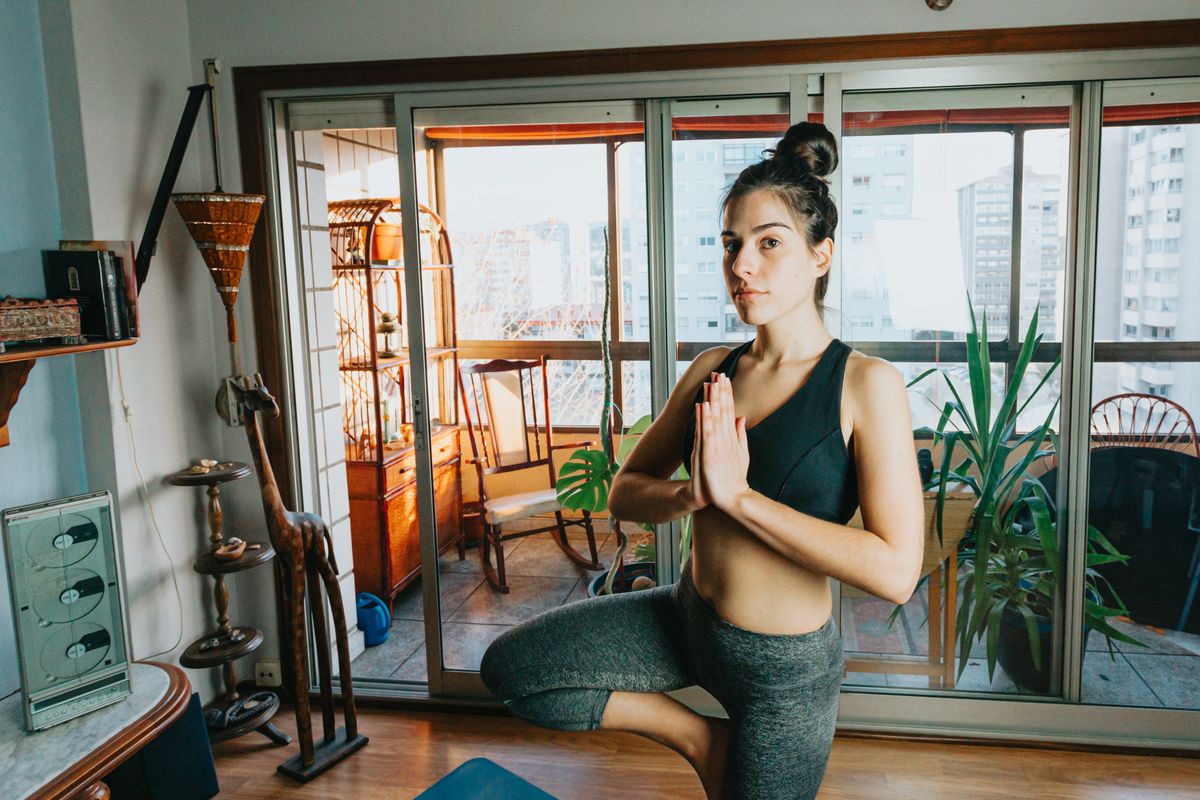
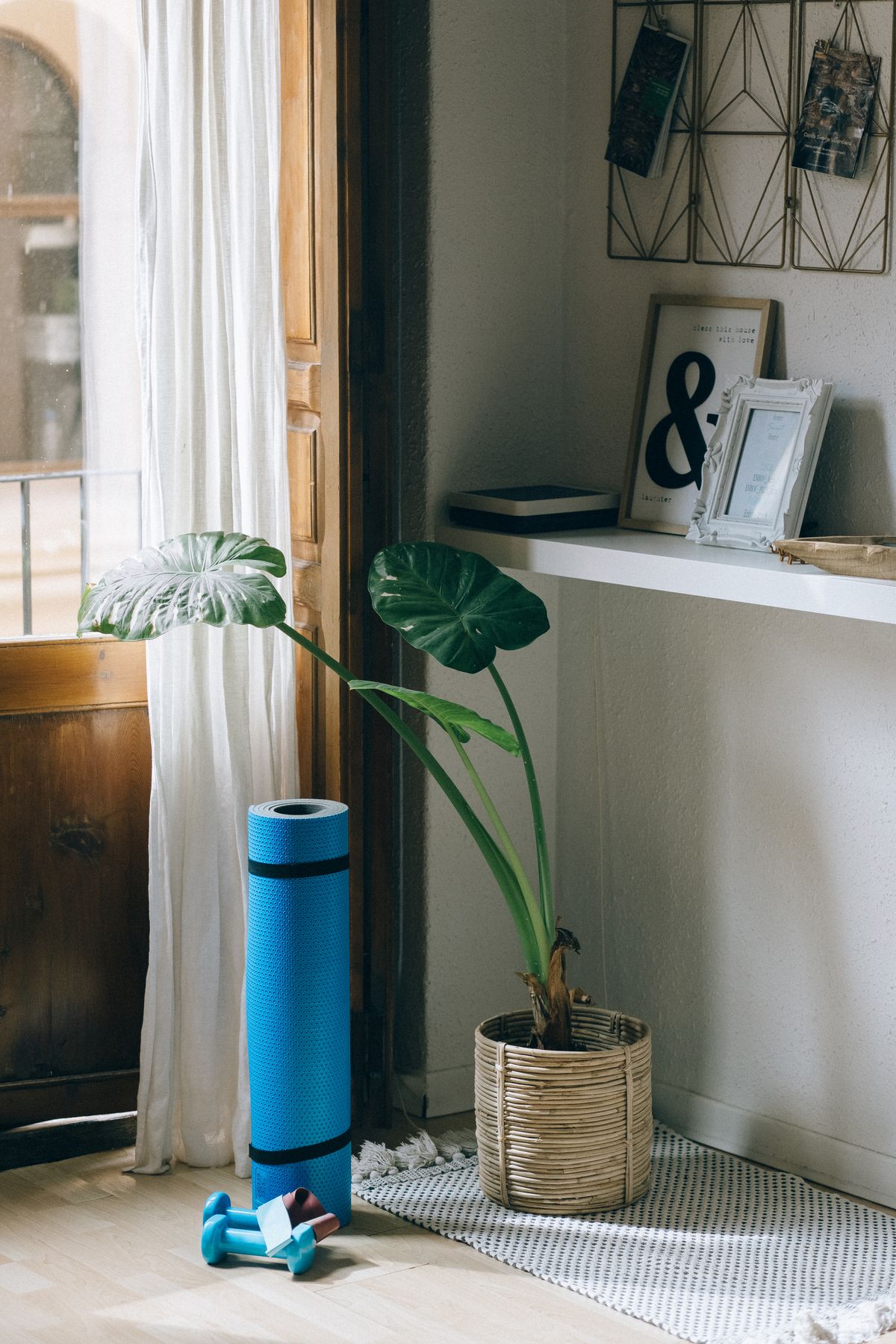
The best small-apartment gyms are corners, not rooms. Pick a corner with natural light and a wall you can use — near a window is ideal — and define it with a mat that stays put. A mat on the floor is a psychological line: step onto it and you are in the gym; step off and you are home again.
A corner also keeps equipment contained. Everything you own for workouts should fit inside that corner's footprint or in one basket beside it. If gear starts colonizing the living room, the gym has already lost.
2. Start With a Mat, Bands and Two Dumbbells
Three things cover most home workouts: a good mat, a set of resistance bands, and two dumbbells. That kit costs less than two months of a gym membership, fits in a basket, and supports strength, mobility and cardio work. Everything else is optional until you know what you will actually do three times a week.
Buy adjustable dumbbells if you can — one pair replaces a whole rack. Bands are even better for small spaces: they weigh nothing, store in a drawer, and add resistance to almost any bodyweight move.
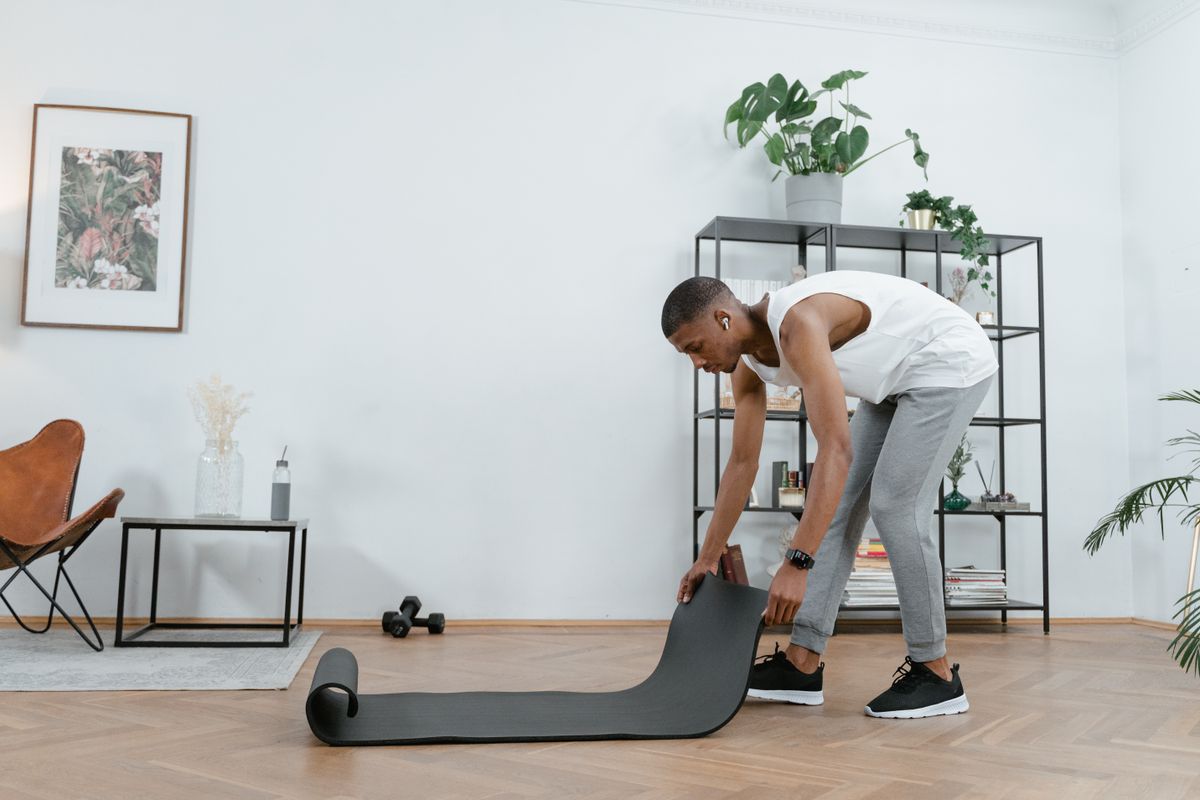
3. Hide It All in One Beautiful Basket
The single best small-space gym habit is a basket. Bands, a jump rope, sliders, a foam roller and a towel all live in one lidded basket or storage ottoman beside your corner. When the workout ends, everything disappears in thirty seconds and the corner goes back to being a corner.
Choose a basket that looks like decor — woven seagrass, a canvas bin, a wooden crate — not a plastic tub. If the storage looks good, you will actually use it, and the gym will never look like clutter.
4. Use the Wall for Storage and Motivation
Walls are free real estate in a small gym. A couple of sturdy hooks hold bands and a jump rope; a small shelf holds a speaker and a water bottle; a framed print or a whiteboard with your weekly plan makes the corner feel like a place with a purpose.
A full-length mirror on the wall does double duty: it lets you check your form, and it makes the corner feel twice as big. Lean it rather than hanging it if you rent — a leaning mirror is renter-friendly and easy to move.
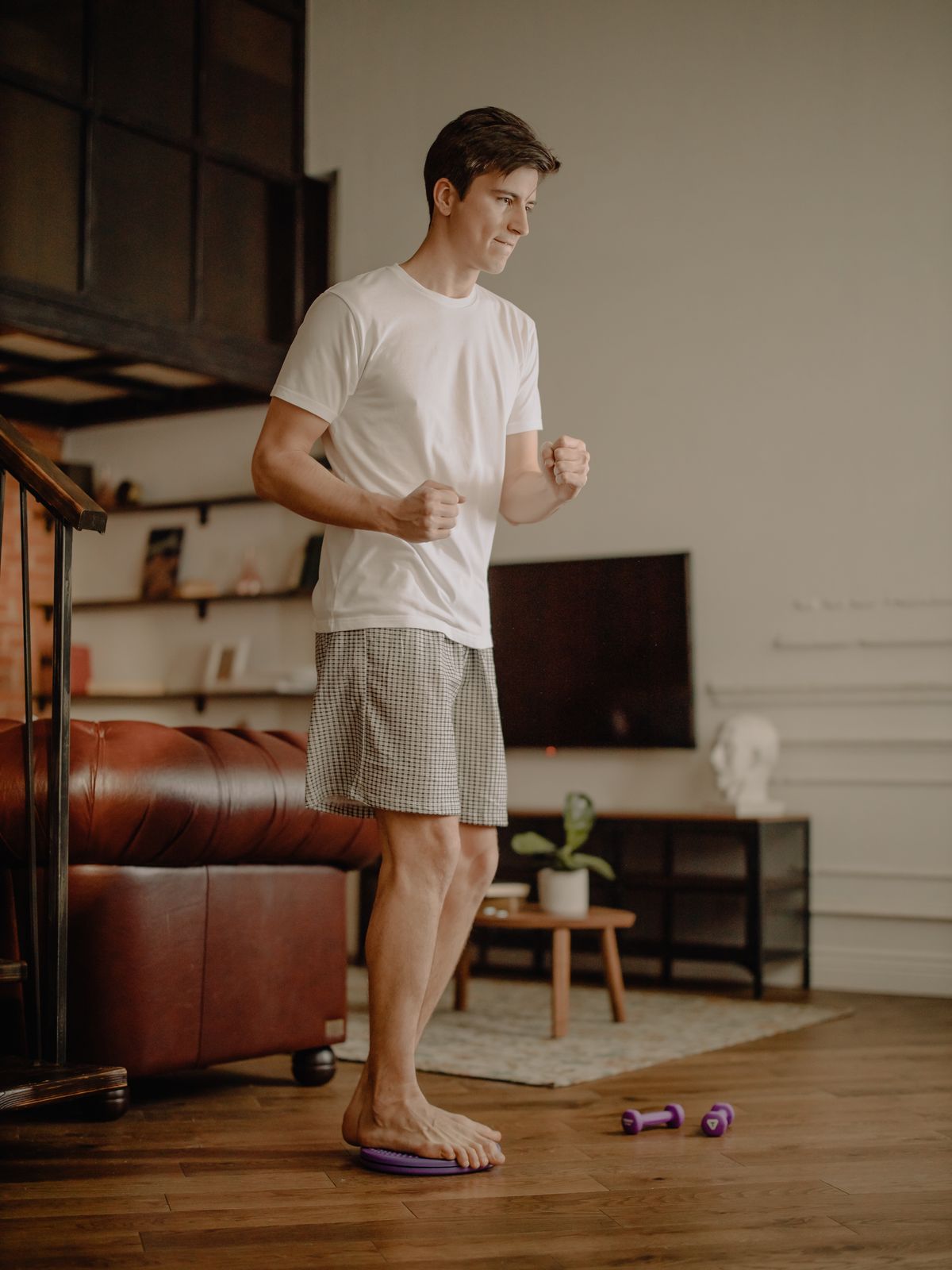
5. Make It Pretty Enough to Leave Out
The gyms that get used are the ones that do not need hiding. A mat in a colour you love, a plant beside the corner, a nice water bottle and a small speaker turn a workout zone into a corner you like looking at. Ugly equipment gets shoved in a closet; attractive equipment stays out and gets used.
This is also why matching matters a little: one colour family for your mat, bands and basket makes the corner read as styled, not improvised. It costs nothing extra and changes how you feel about the space.
6. Add a Plant and a Speaker
Two things separate a home gym from a storage corner: a plant and music. A plant softens the corner and makes it part of the room rather than an intrusion, and a small speaker means workouts start with one tap instead of a hunt for headphones.
Keep both in the corner permanently. The plant lives there; the speaker charges there. When everything you need is already in place, the friction between "I should work out" and actually starting drops to almost nothing.
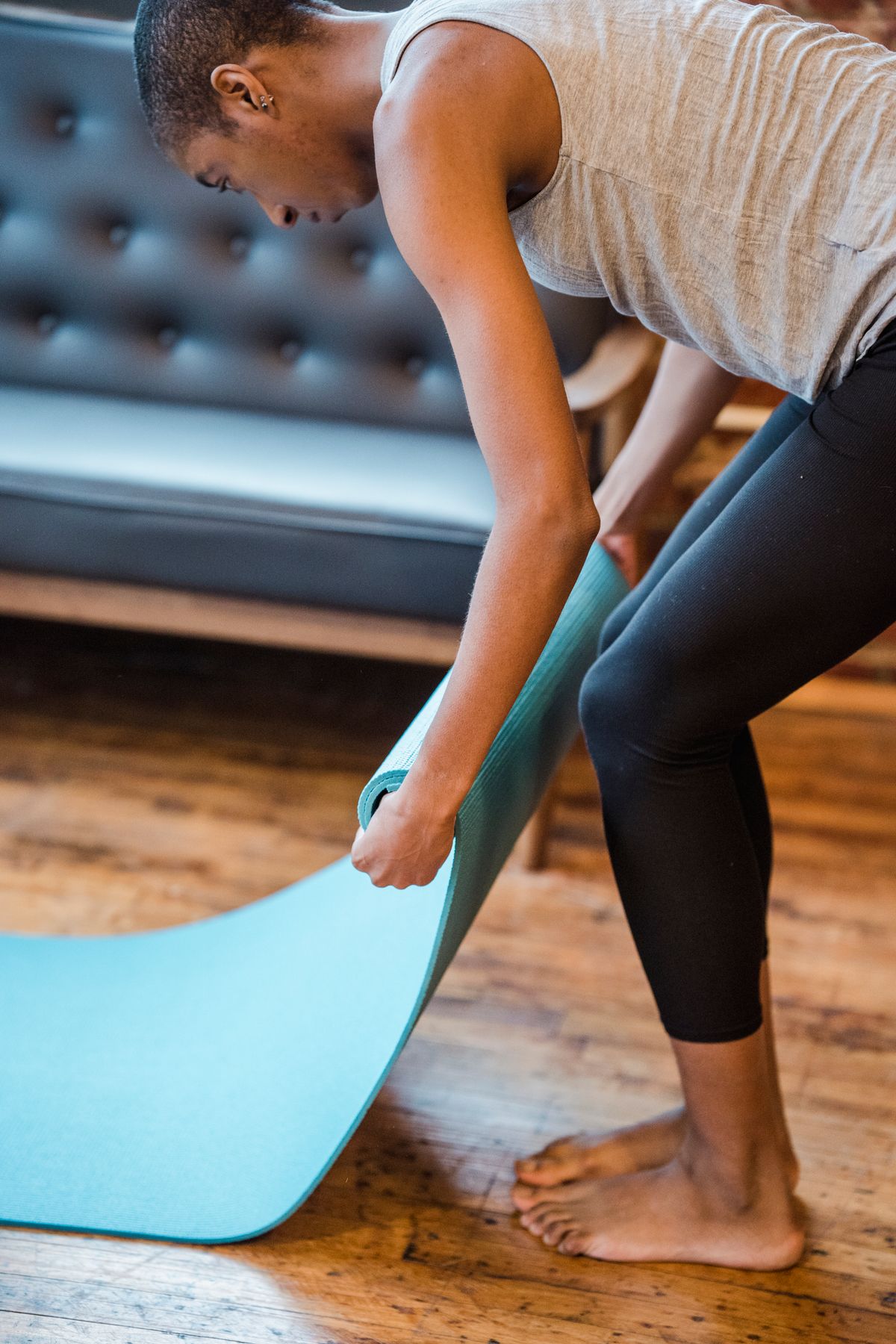
7. Fold, Roll and Hang Everything
Small-space gym gear should fold, roll or hang. A folding exercise bench slides under a bed; a roll-up mat stands in a corner; bands hang on hooks; a foam roller tucks behind the sofa. If a piece of equipment cannot be stored flat or hung, think hard before buying it for a small apartment.
The same rule applies to cardio: a jump rope and a compact stepper beat a treadmill in a small home every time, because they disappear when you are done and they never dominate the room.
8. Borrow Light From the Window
Workouts feel better in natural light, and a corner near a window is more inviting than one in a dark alcove. If your only option is a dim corner, add a warm lamp or a small daylight bulb — exercising in a gloomy corner feels like a chore, while a bright one feels like a choice.
A sheer curtain on the nearby window keeps the light soft and the neighbours' view out, which matters when you are stretching in your living room. Privacy is part of what makes a home gym usable.
9. Keep a Towel and Water Station Ready
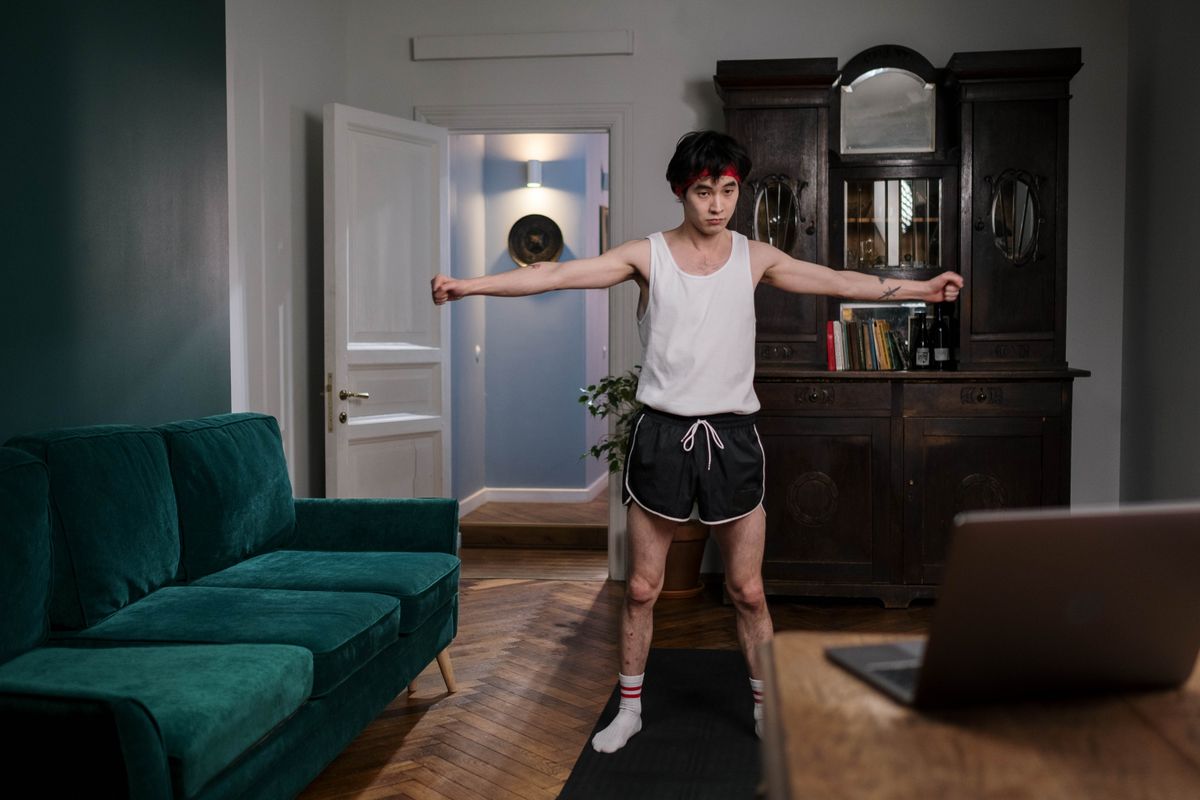
A small tray or shelf with a towel, a water bottle and a hair tie, always in the same spot, removes the last excuse. You should be able to start a workout in under a minute, without gathering supplies from three different rooms.
Refill the bottle after each session, not before the next one. The gym that is ready is the gym that gets used; the gym that needs setting up is the gym that gets skipped.
10. Use a Rug to Define the Zone
If a mat alone feels too temporary, a flat-weave rug under the corner defines the gym zone permanently while still looking like normal decor. It protects the floor, muffles jumping, and tells everyone — including you — that this corner has a job.
Choose a washable rug in a darker tone or a pattern that hides scuffs. A gym rug that looks dirty after a week will be rolled up and forgotten; a washable one just goes in the machine.
11. Plan for the Bedroom Version Too
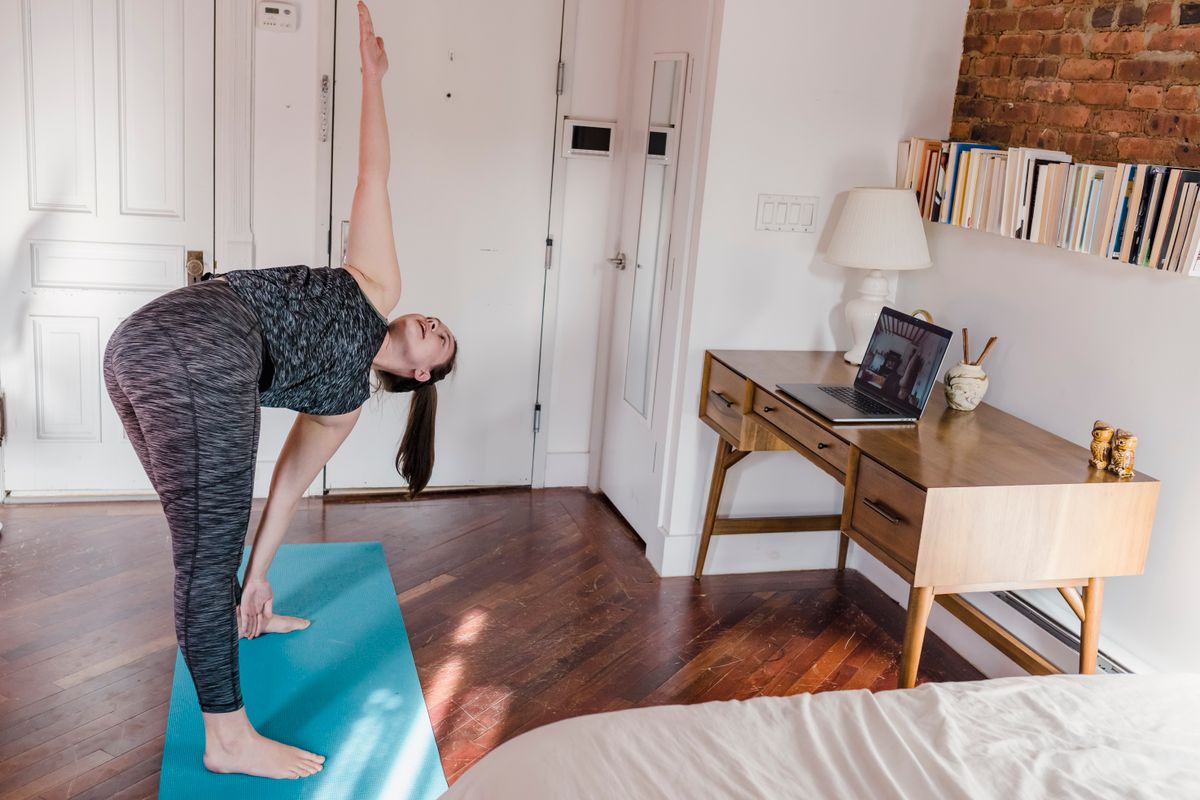
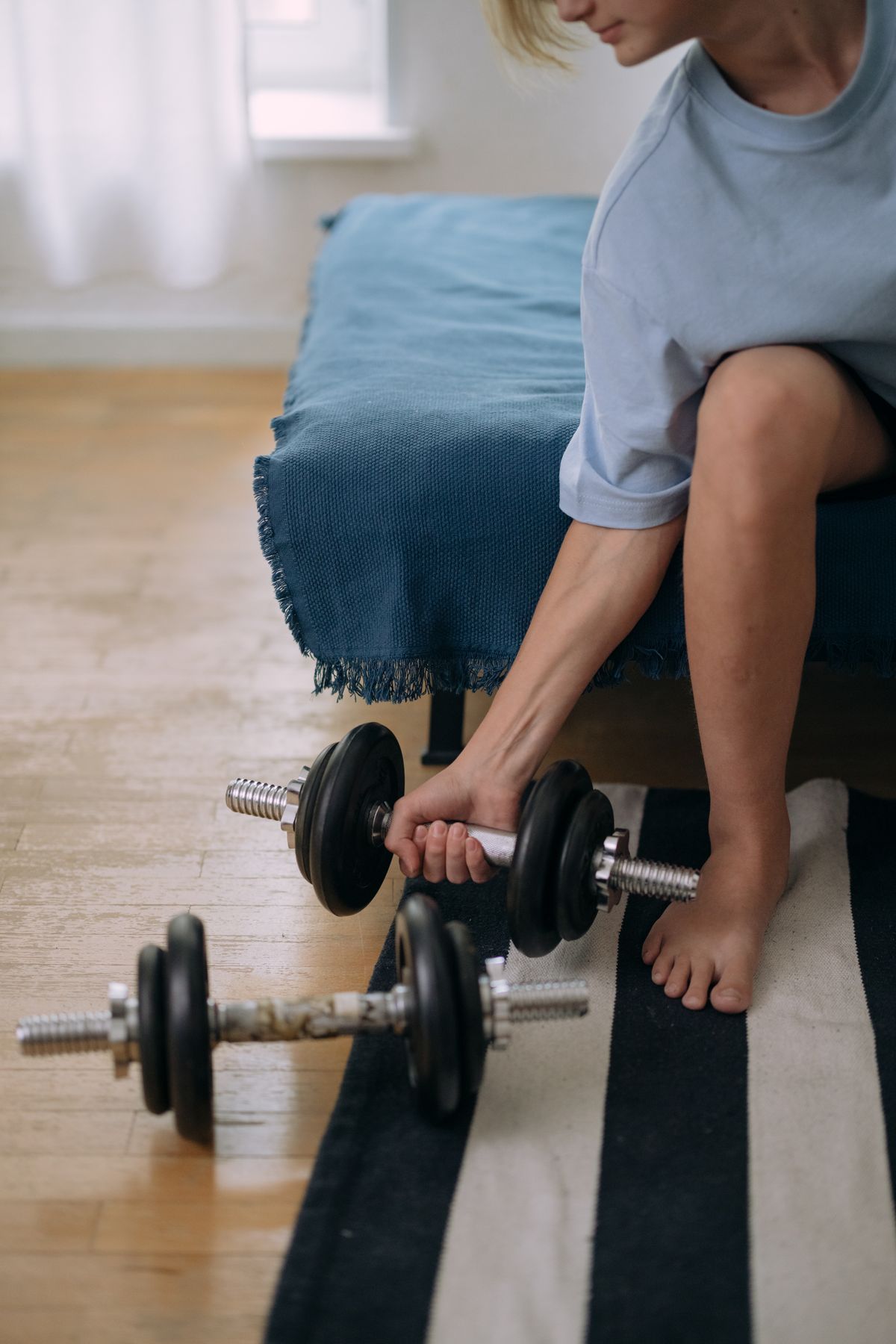
Not every apartment has a living-room corner to spare. The bedroom version works just as well: a mat at the foot of the bed, bands on a hook behind the door, and dumbbells under the bed. Morning workouts are actually easier here, because the gym is the first thing you see.
Keep bedroom gym gear quiet — no jumping workouts on a shared floor at 6 AM — and keep it out of sight when guests visit. A basket under the bed swallows the whole kit.
12. Make Rest Part of the Corner
A small gym corner should also hold one thing for recovery: a foam roller, a stretching strap, or just a cushion for post-workout stretching. Five minutes of stretching in the same corner closes the session properly and keeps you coming back without soreness.
End every workout by putting everything back in the basket. A tidy corner invites the next session; a messy one whispers that you have already quit.
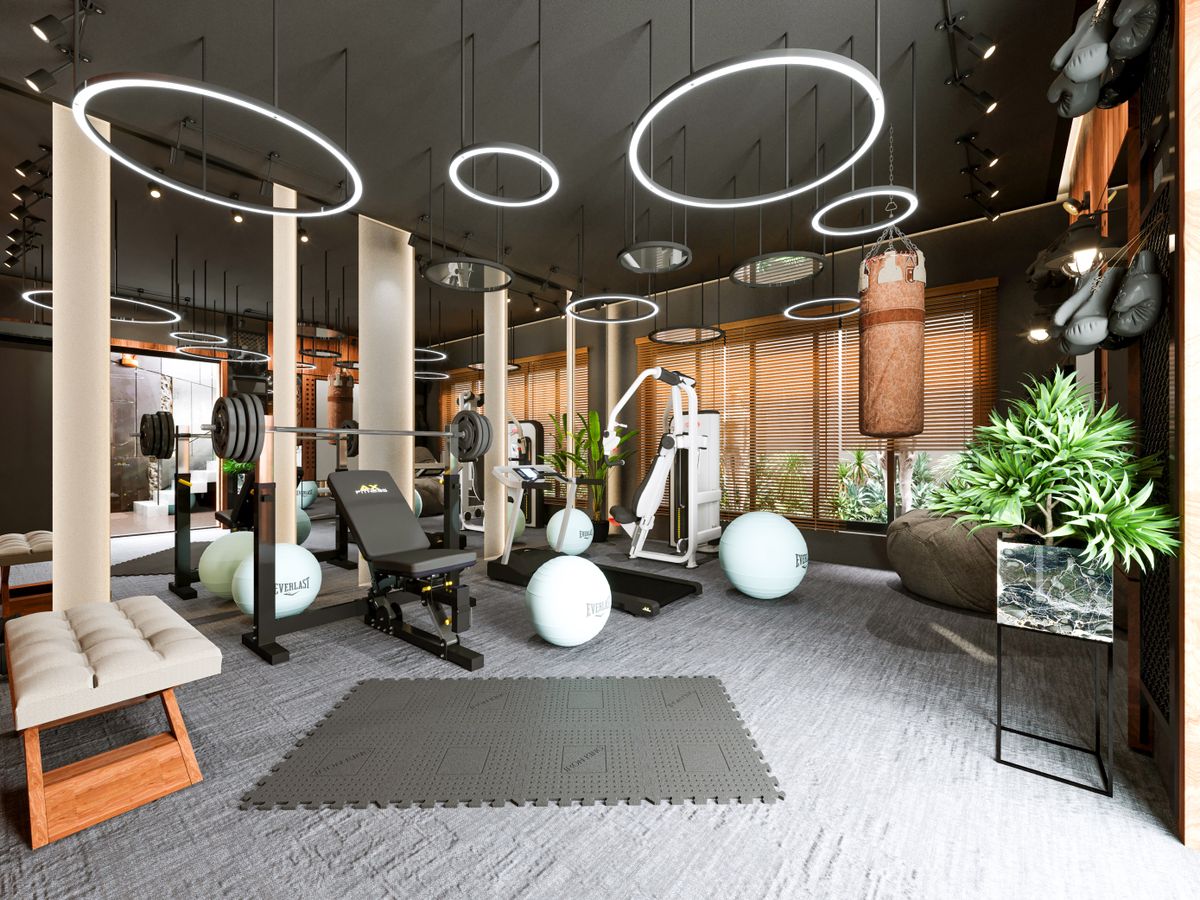
A home gym in a small apartment is not about having less — it is about choosing better. One corner, a mat, bands, two dumbbells, a basket and a plant will carry you further than a room full of equipment you never touch.
More ideas for your small space: our tiny home office ideas show how to zone a work corner the same way, small living room ideas keep the room your gym lives in looking open, and studio layout ideas help when one room has to do everything.



0 Comments