
14 Small Apartment Shoe Storage Ideas That End the Doorway Pile
Every small apartment has the same problem: shoes multiply by the door until the entryway looks like a shoe store after an earthquake. The fix is not owning fewer shoes — it is giving every pair a specific home, matched to how often you wear it. Daily shoes need open, grab-and-go storage by the door; occasional pairs belong in the closet; seasonal boots go up high or under the bed. The fourteen ideas below cover all three zones, with options from $10 over-door organizers to slim cabinets that look like furniture, all sized for apartments where every inch counts.

1. Hide Shoes in a Slim Tilt-Out Shoe Cabinet
A slim shoe cabinet is the best-looking shoe storage for a small entry, because it looks like a console table while hiding twelve to eighteen pairs. Tilt-out compartments, about 6 to 8 inches deep, hold shoes vertically, so a cabinet 36 inches wide and 48 inches tall stores a whole household's daily rotation in the footprint of a bookshelf. Choose a cabinet with ventilation holes or slats so shoes can air out, and keep the top surface clear for keys and mail so it doubles as your entry console. Ready-made cabinets cost $60 to $120, assemble in under an hour, and instantly end the visible pile — out of sight, but still one pull away when you need them.
2. Hang an Over-the-Door Shoe Organizer
When floor and wall space are both gone, the back of a door still holds twenty-four pairs in clear pockets, for about $10 to $20. Hang the organizer on the bedroom or closet door rather than the front door, so daily shoes stay accessible without cluttering the entry itself. Clear pockets beat fabric ones because you can see every pair at a glance, and the organizer also works for flats, sandals, and kids' shoes — though heavy boots belong elsewhere, since they stretch the pockets. Add a small hook at the top for the pair you wear tomorrow, and this zero-footprint solution handles a surprising share of the household's shoes.
3. Roll Seasonal Shoes Under the Bed
Under-bed space is the most wasted storage in a small apartment, and flat rolling bins turn it into a shoe closet for off-season and occasional pairs. A bin 32 by 18 inches and 6 inches high holds six to eight pairs, slides out for easy access, and keeps dust off shoes that you wear only a few times a year. Label each bin by season or occasion — winter boots, dress shoes, summer sandals — and add cedar sachets to keep them fresh. This is where the shoes you do not wear weekly should live, because it frees the entry for the five or six pairs that actually earn their spot by the door every day.
4. Choose a Storage Bench for the Entry
A storage bench solves two entry problems at once: a place to sit while putting on shoes, and hidden storage for the pairs you wear most. Benches with lift-up lids or pull-out drawers hold four to eight pairs in a footprint of about 36 by 14 inches, and a cushioned top makes the entry feel welcoming rather than utilitarian. Open cubbies underneath work better than closed lids for daily shoes, since you can slide pairs in without lifting anything, while a lidded bench suits households that prefer everything hidden. Add a boot tray beside the bench for wet shoes, and the bench becomes the single piece of furniture that ends the doorway pile.
5. Go Vertical With Wall-Mounted Shoe Racks
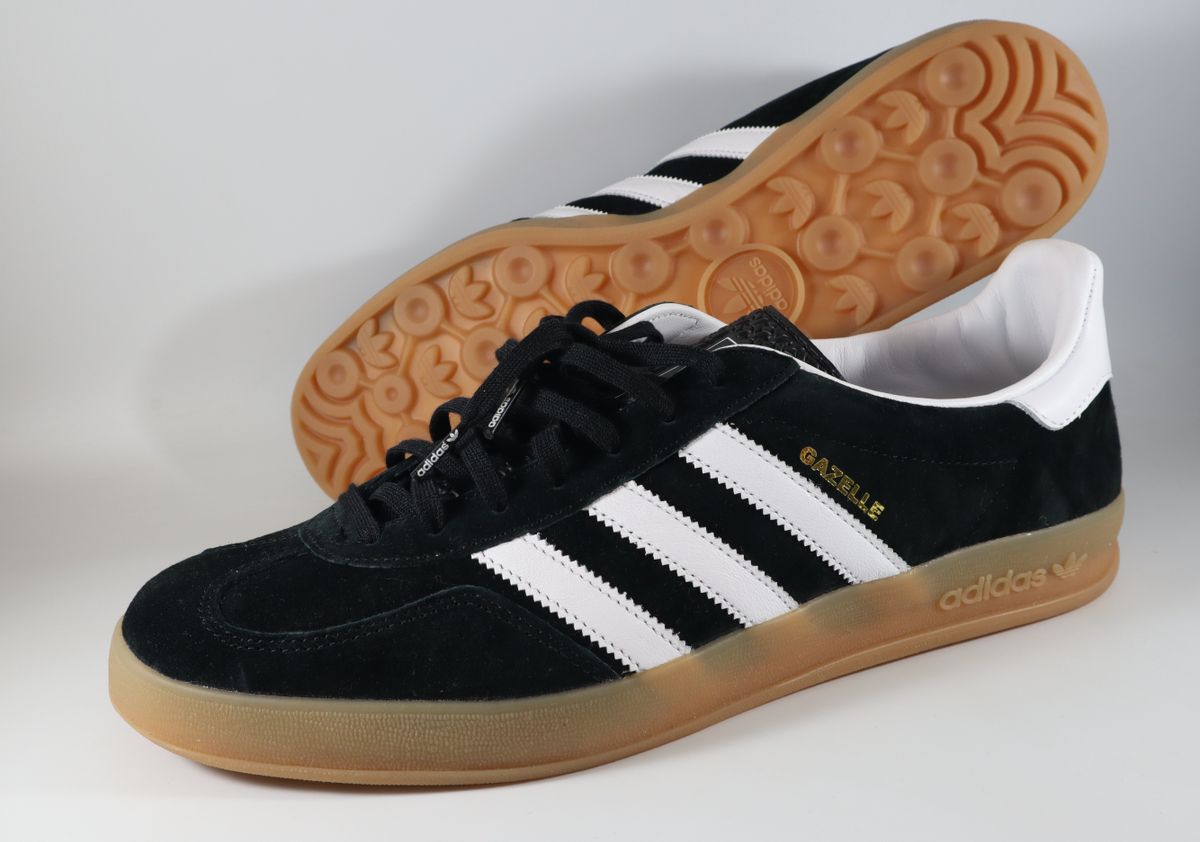
Walls hold far more shoes than floors do, and wall-mounted racks use vertical space that would otherwise sit empty. Slim metal racks that hold shoes by the toe or heel mount in a column beside the door, with each pair taking about 10 inches of width and 6 inches of depth — a column of eight pairs fits in a strip of wall barely wider than a shoe. Mount the lowest rack at ankle height and stack upward, keeping daily pairs at arm level and occasional pairs higher. Wall racks cost $25 to $50 for a set, install with a few screws or adhesive mounts, and keep shoes visible, aired out, and completely off the floor.
6. Switch to Clear Stackable Shoe Boxes
Clear stackable boxes are the best storage for shoes you want to protect — dress shoes, white sneakers, and anything suede — because they keep dust out while letting you see what is inside. Boxes sized about 13 by 9 by 5 inches stack neatly on a closet shelf, and front-drop doors let you pull out one pair without unstacking the tower. Label the end of each box with a photo or a short description if the shoes are hard to tell apart, and keep the stack to five or six boxes high so it stays stable. A set of twelve boxes costs $25 to $40, and the uniform look instantly makes a messy closet shelf feel like a boutique display.
7. Use the Shelf Above the Door
The shelf above a bedroom or closet door is dead space in most apartments, and a single board there holds four to six pairs of off-season shoes with zero floor cost. Mount a sturdy shelf about 12 inches deep above the door frame, using brackets rated for at least 30 pounds, and keep lighter shoes — sandals, flats, and sneakers — up high so the shelf stays safe. Add a small step stool nearby so the shelf stays usable rather than decorative, and store the shoes in clear boxes or labeled bins so you can identify them from below. This trick works best for shoes you wear monthly rather than daily, since reaching overhead every morning gets old fast.
8. Try a Rotating Shoe Tower in a Corner
Corners are awkward for most furniture, but a rotating shoe tower turns a dead corner into storage for twelve to twenty pairs. A carousel-style tower, about 18 inches square, spins so every pair is reachable without moving anything else, and its vertical design stores more shoes per square foot than any flat rack. Towers cost $40 to $80, assemble without tools in most cases, and fit in bedroom corners, closet corners, or beside the entry bench. Keep daily shoes on the middle tiers at arm height, dress shoes higher, and heavy boots on the bottom tier for stability, and the tower becomes the fastest way to find the pair you want.
9. Pair a Shoe Rack With a Tray for Wet Days
Daily shoes need a rack, but wet shoes need a tray, and the combination handles every season. A two-tier open rack beside the door holds four to six daily pairs where you can grab them, while a rubber tray underneath catches water and mud from rainy-day shoes. Place the rack directly inside the door — not down the hall — so shoes come off the moment you enter, and keep a small brush nearby for quick cleaning. Open racks beat closed cabinets for daily shoes because you can see what is there and slide pairs in one-handed, and a $20 rack plus a $15 tray is the cheapest complete entry system that actually works.
10. Add Shelf Dividers Inside the Closet
Closet shelves fail for shoes because pairs slide, topple, and pile, but simple shelf dividers fix that for under $20. Vertical dividers every 10 to 12 inches create a slot per pair or per two pairs, so shoes stay upright, visible, and separated instead of collapsing into a heap. Adjustable dividers that clamp onto the shelf work in rentals without drilling, and they also work on entry shelves and bookcases pressed into shoe duty. Pair dividers with a rule — one slot per pair, no stacking — and a single closet shelf suddenly holds eight to ten pairs neatly, with room to spare for bags on the shelf above.

11. Hang a Shoe Organizer Inside the Closet Door
The inside of the closet door is prime shoe real estate that most apartments ignore, and a hanging organizer there holds twelve to twenty-four pairs without taking a single inch of shelf or floor. Choose a fabric organizer with sturdy hooks that fit your door thickness, and put the pairs you wear weekly — not daily — in it, so the closet stays the home of your rotation while the entry holds today's shoes. Keep heavier pairs low to avoid stressing the hooks, and add felt pads behind the organizer so it does not mark the door. This is the fastest closet upgrade there is: hang it in two minutes, fill it in ten, and the closet floor is suddenly clear.
12. Store Tall Boots Upright With Shapers
Tall boots are the hardest shoes to store, because they flop, crease, and eat shelf space, but boot shapers solve all three problems. Foam or plastic shapers inserted into each boot keep the shaft upright, prevent creasing at the ankle, and let boots stand in a row on a closet floor or a high shelf like books. A pair of shapers costs $10 to $15, and pool noodles cut to size work just as well for under $5. Store boots upright in a row, never folded or stacked, and keep them in the closet rather than the entry, since you only need them on boot days. Upright boots also last longer, because creased shafts crack and lose their shape over time.
13. Give Kids a Low, Labeled Shoe Station
Kids' shoes end up everywhere because adult-height storage does not work for small people, so give kids their own low station. A low bin, basket, or two-shelf rack at floor level, labeled with each child's name or photo, lets kids put their own shoes away without help — and actually makes them want to, since the station is theirs. Keep only the current season's pairs in the station, two to three pairs per child, and rotate the rest to the closet. Place the station right by the door they use, not in their bedroom, because shoes put away at the door never migrate to the living room floor. A $15 bin per child ends more morning chaos than any other single purchase.
14. Rotate Seasonally and Enforce One In, One Out
The final idea is not furniture at all — it is the rule that keeps every other idea working: rotate seasonally, and enforce one in, one out. At the start of each season, move off-season shoes to under-bed bins and bring out the current season's pairs, which takes twenty minutes and instantly halves what the entry must hold. And for every new pair that comes home, one old pair leaves — donated, recycled, or thrown out — so the total never grows past what your storage can hold. Count your shoes once: if the number exceeds your storage by more than a few pairs, the storage is not the problem. This rule, plus the thirteen storage ideas above, is how small apartments stay pile-free for good. For more entry ideas, see our small entryway decor ideas and our small living room ideas for zoning the entry without losing space.
Conclusion
Ending the doorway pile is not about buying the biggest rack — it is about matching each pair to its zone: daily shoes open by the door, weekly pairs in the closet, seasonal shoes under the bed or up high. Start this weekend with the two fastest wins: a rack and tray by the door, and an over-door organizer in the closet. Then add the cabinet, boxes, or tower that fits your space, and finish with the seasonal rotation and one-in-one-out rule that keeps the system working. Within a month, the entry will be clear, the shoes will be findable, and the pile will be history.



0 Comments