
12 Small Apartment Calm Corner Ideas for Meditation and Quiet Time
A calm corner is not a luxury room you do not have — it is a small, deliberate pause in the apartment you already live in. A cushion by the window, a plant, a candle and five quiet minutes can change how the whole day feels, especially in a small home where work, rest and noise all share the same rooms. You do not need silence, incense expertise or a special budget. You need one spot that is always ready, so that when you want quiet time, you do not have to build it first. The twelve ideas below show how to claim that spot, furnish it simply, and protect it with small habits — even in a studio shared with someone else.
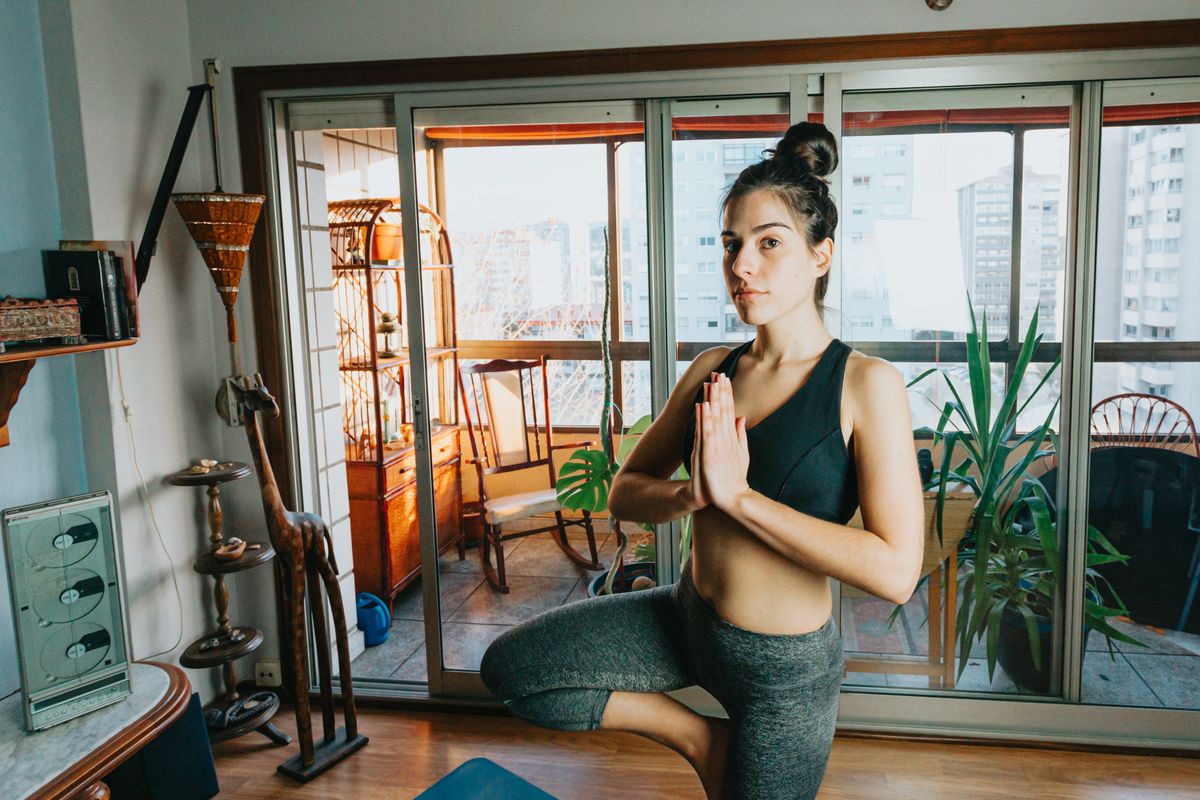
1. Choose the Quietest Corner You Already Have
Start by finding the calmest spot in your apartment, not the prettiest one. Walk through each room at the times you actually want quiet — early morning, after work, before bed — and notice where noise, foot traffic and screens are lowest. Often it is a bedroom corner away from the front door, or the side of the living room farthest from the kitchen. You need only about 3 by 3 feet: enough for a cushion and room to stretch your legs. Avoid spots directly beside the TV or your work desk if you can, since your brain already associates those places with stimulation. Once you choose the corner, name it — even silently — because a named corner is one you will return to. Everything else in this guide builds on this one decision.
2. Layer Cushions for Comfortable Floor Sitting
Comfort decides whether you actually use a calm corner, and floor sitting needs layers to be kind to your body. Start with a thick base cushion or folded blanket on the floor, add a firm meditation cushion or bolster for your hips, and keep a smaller cushion for your lower back or knees. Sitting with your hips slightly higher than your knees takes pressure off your lower back and makes ten quiet minutes feel easy rather than effortful. Choose covers in calm, natural colors and fabrics you like touching — cotton, linen or wool — since texture is part of the calm. Keep the cushions stacked in the corner permanently, so the spot is always ready. If floor sitting hurts, a low chair with a cushion works just as well; comfort beats tradition every time.
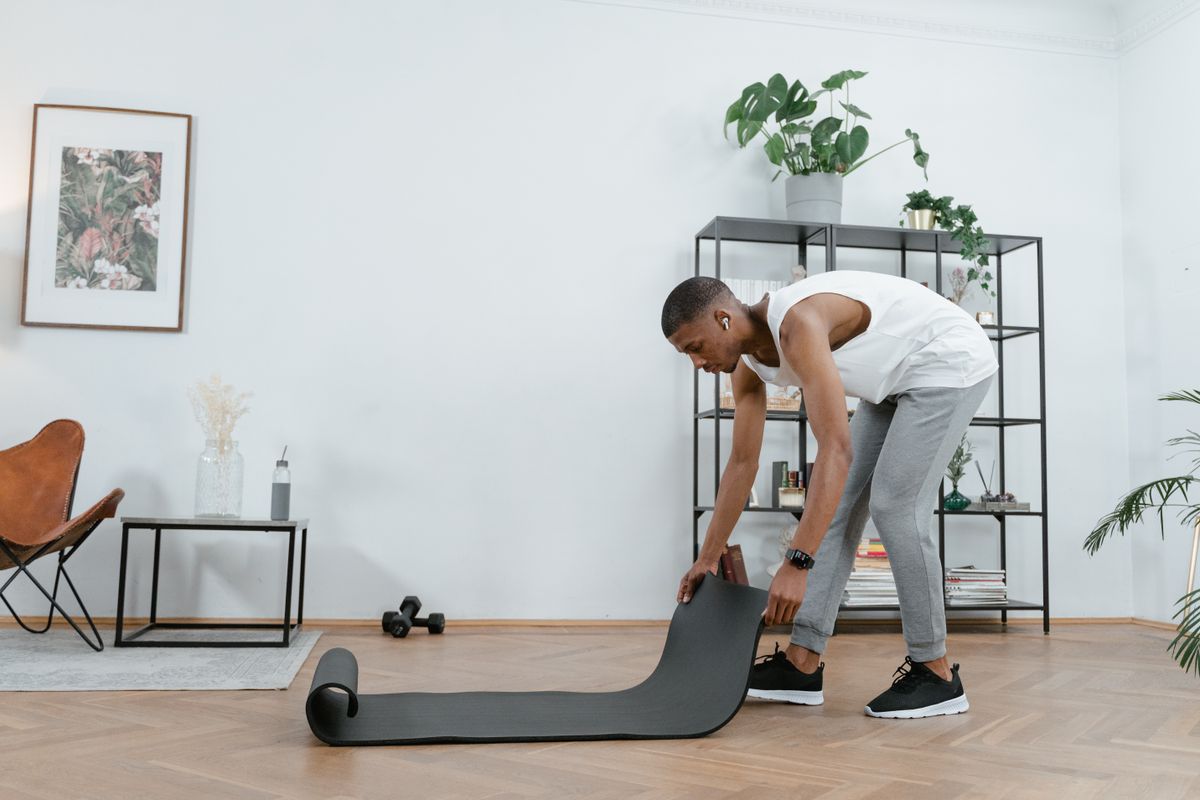
3. Bring In Plants That Make the Corner Feel Alive
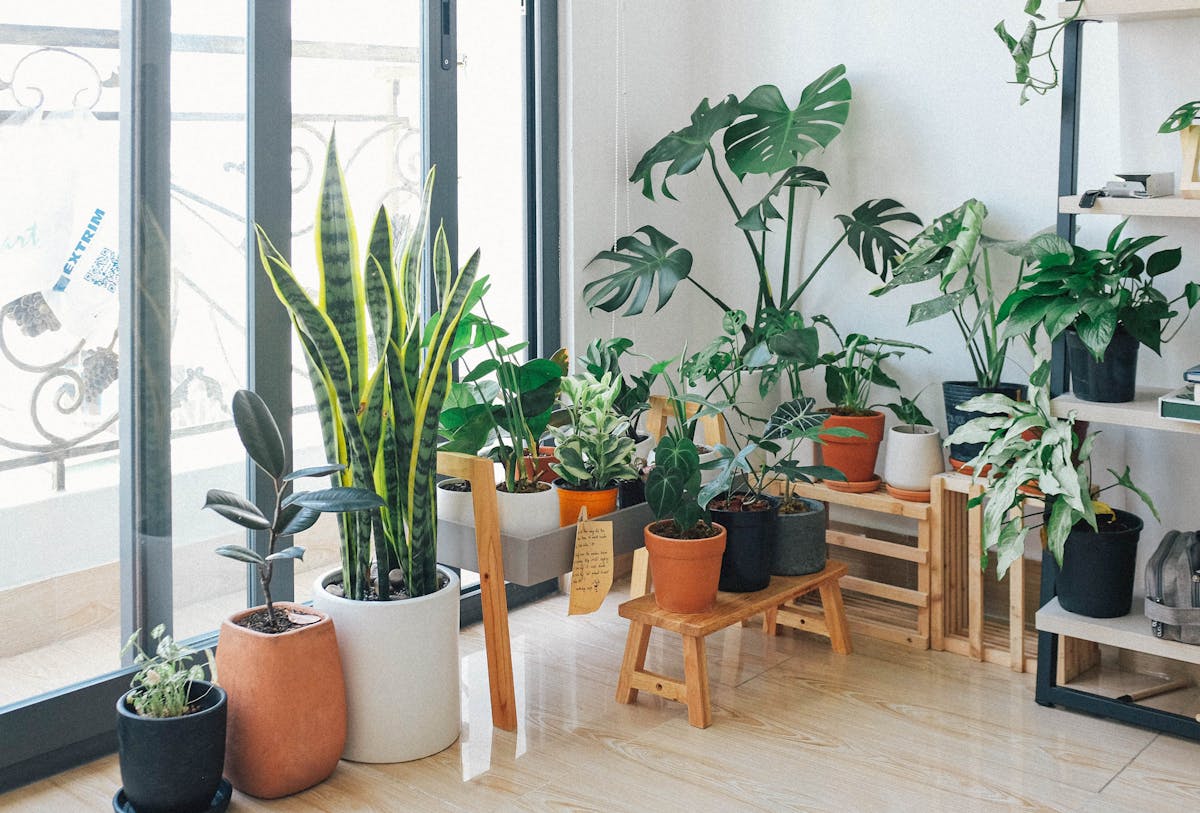
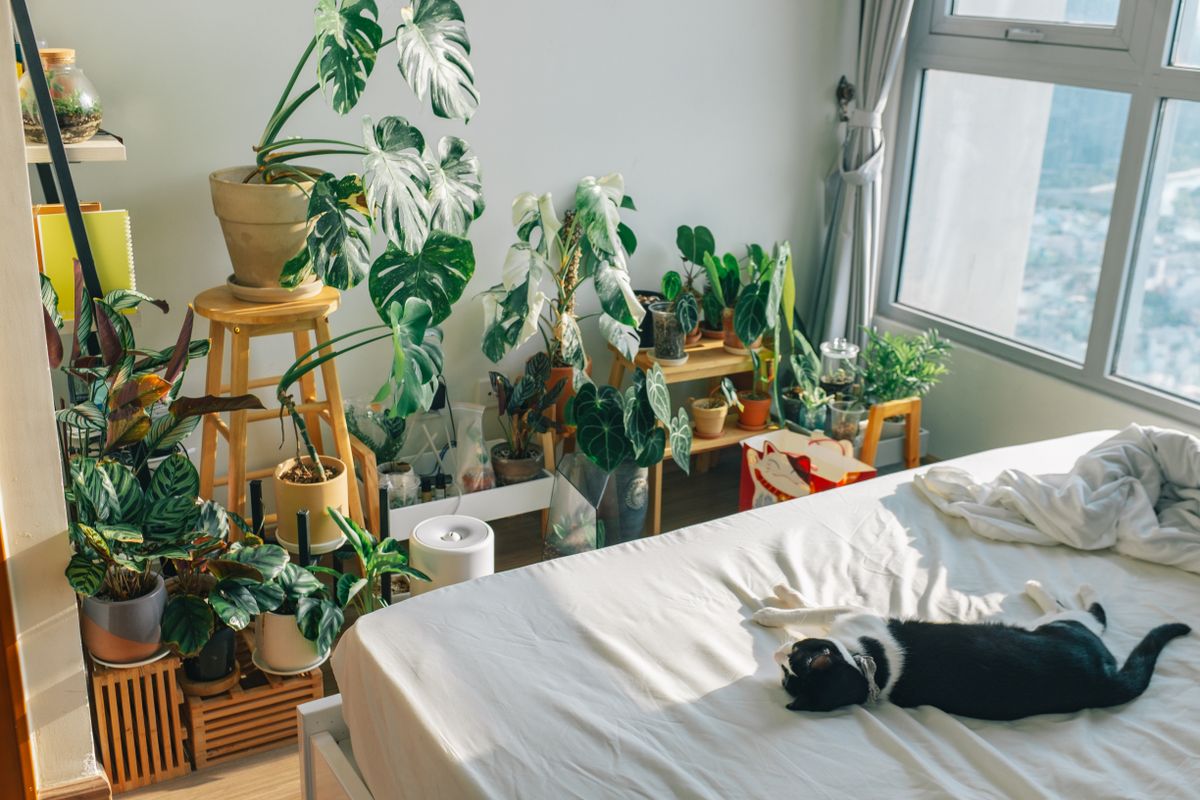
Plants are the fastest way to make a corner feel calm, because they soften hard edges and give your eyes something living to rest on. Two or three plants are enough: a trailing pothos on a shelf, a snake plant on the floor, and a small potted herb or fern at sitting height. Choose plants that tolerate your corner's light — snake plants and pothos survive low light, while a fiddle-leaf needs a bright window — and water them on a simple weekly schedule so they thrive rather than stress you. Grouping plants together also creates a natural screen that marks the corner's boundary. If you have pets, check that your choices are non-toxic before buying. A corner with healthy plants feels tended and alive, which is exactly the feeling quiet time needs.
4. Set the Light Low, Warm and Adjustable
Light shapes mood more than any other single element, and a calm corner needs light you can soften. Replace or supplement the overhead light with a small warm lamp, a salt lamp, or a battery candle, all in the 2200–2700K warm range that signals evening and rest to your brain. A dimmer, even a simple plug-in one for $10–$15, lets you adjust the corner for morning meditation versus bedtime wind-down. Keep the light low and to one side rather than overhead, so the corner feels sheltered rather than spotlighted. If your corner is by a window, daylight is your main light during the day — add a sheer curtain to soften it. One warm, low light, switched on as part of your ritual, tells your mind that quiet time has begun.
5. Choose One Signature Scent for the Corner
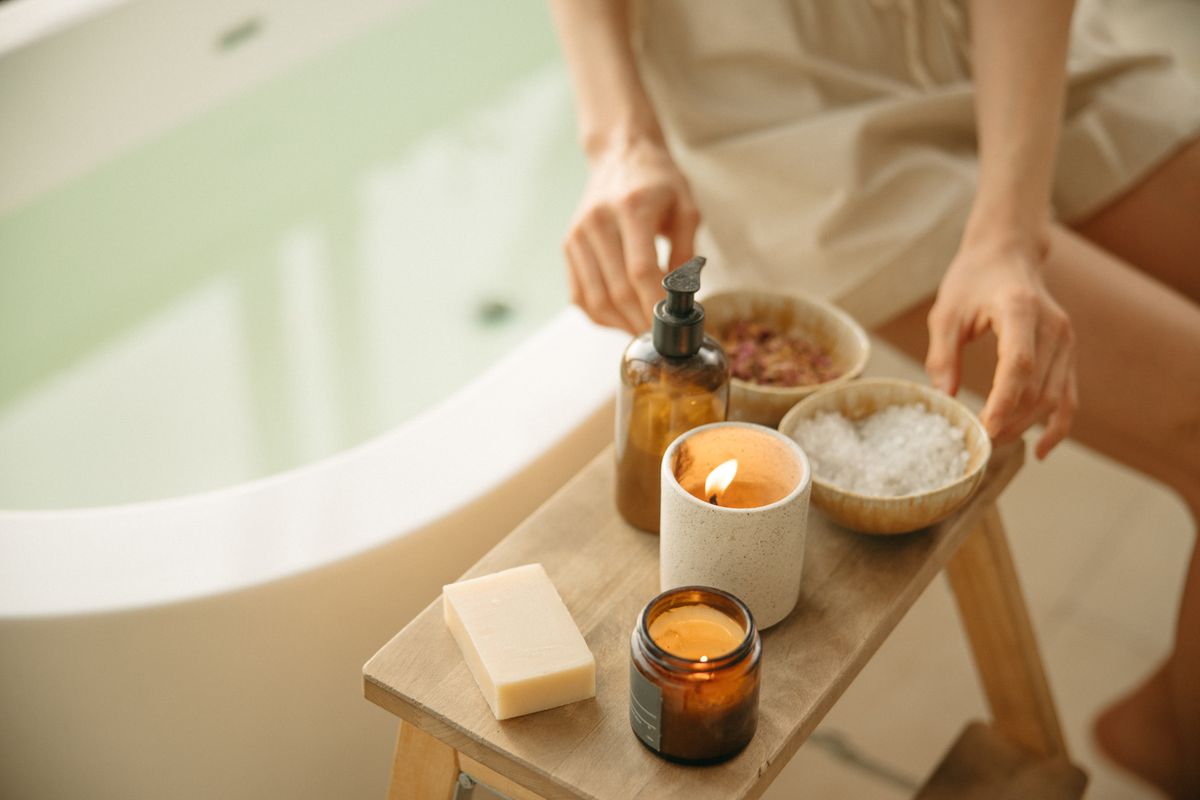
Scent is a powerful calm cue, because your brain links a smell to a state of mind faster than almost any other sense. Choose one signature scent for your corner — lavender for relaxation, cedarwood for grounding, or citrus for a morning lift — and use it only there, so the smell itself becomes the signal to slow down. A candle, a reed diffuser or a few drops of essential oil on a cotton pad all work, and a candle costs $8–$15 and lasts weeks. Keep the scent subtle: one source, not three, and never anything strong enough to irritate eyes or lungs. If you share the apartment, agree on the scent together, since a calm corner should not become a point of friction. Over time, simply lighting that candle will begin to calm you before you even sit down.
6. Mask Apartment Noise With Gentle Sound
True silence is rare in an apartment building, but gentle sound can mask the noise that breaks your calm. A small speaker or your phone playing rain sounds, brown noise or soft instrumental music at low volume covers hallway footsteps, plumbing and distant traffic without becoming a distraction itself. Keep the volume just loud enough to blur the edges of outside noise — if you can clearly follow a melody, it is too loud for meditation. Free apps and video playlists offer hours of ambient sound at no cost, and a simple white-noise machine costs $20–$30 if you prefer a dedicated device. Noise-cancelling headphones are another option for shared homes, though many people find them isolating. The goal is not silence; it is a steady, gentle sound that lets your mind stop tracking every noise.
7. Add a Small Focus Shelf or Altar
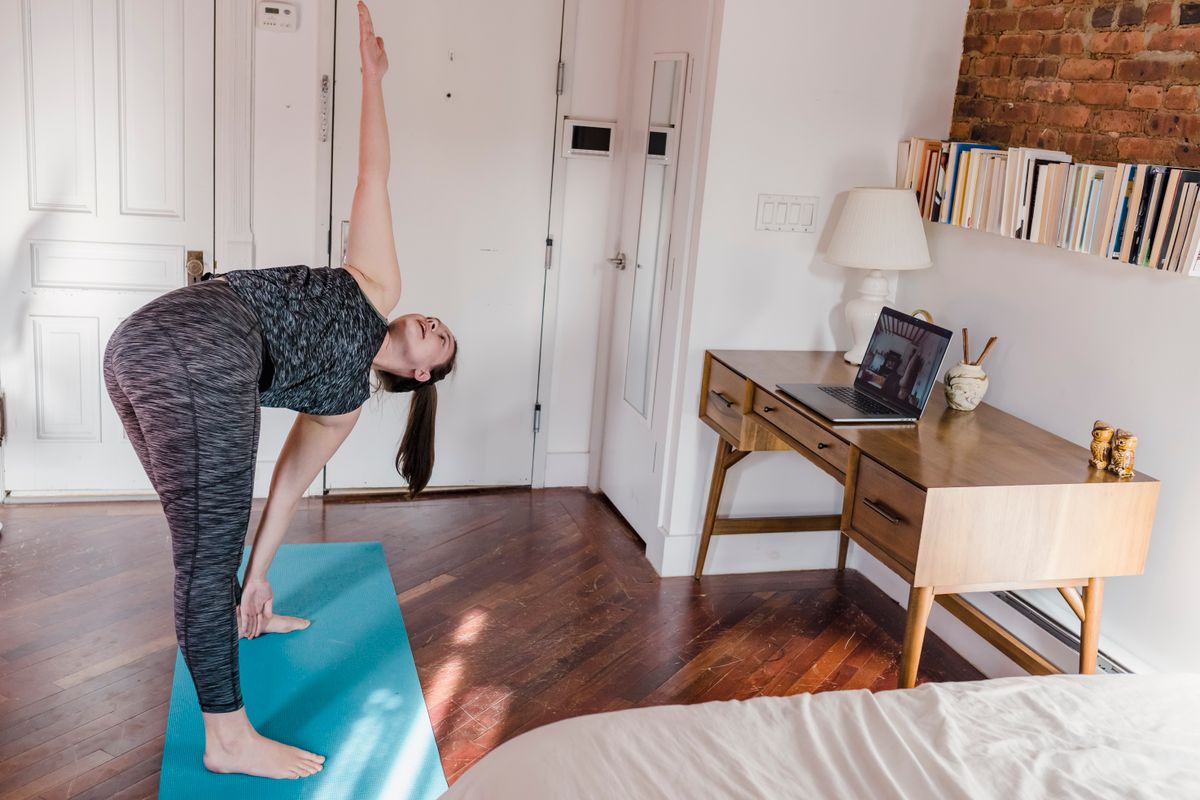
A focus shelf gives your eyes a resting place and your corner a sense of purpose. It can be as simple as a small wall shelf or a low stool holding three or four meaningful objects: a candle, a stone or plant, a photo, and a small book of poems or meditations. The point is not religion or decoration — it is having one unchanging arrangement that your eyes recognize as "the calm place" every time you sit down. Keep it minimal: if the shelf fills up, it becomes clutter, and clutter is the opposite of calm. Dust it weekly as part of your ritual, which keeps the corner feeling cared for. A focus shelf also signals to others in the home that this corner has a purpose, and that purpose deserves respect.
8. Keep a Basket for Everything the Corner Needs
A calm corner falls apart when its supplies scatter, so keep everything in one basket beside the cushion. A woven basket about 14 by 10 inches holds a blanket, a meditation timer or phone stand, a journal, and your candle lighter — all within reach, all out of sight. The basket also makes the corner portable: if you prefer the balcony on a nice morning, carry the basket and your cushion and the corner moves with you. Choose a basket with a lid or a cloth cover if you want the supplies fully hidden between uses. Restock the basket weekly — a candle that has burned out or a journal with no blank pages quietly discourages you from sitting down. One basket, kept ready, removes every excuse not to begin.
9. Zone the Corner With a Rug
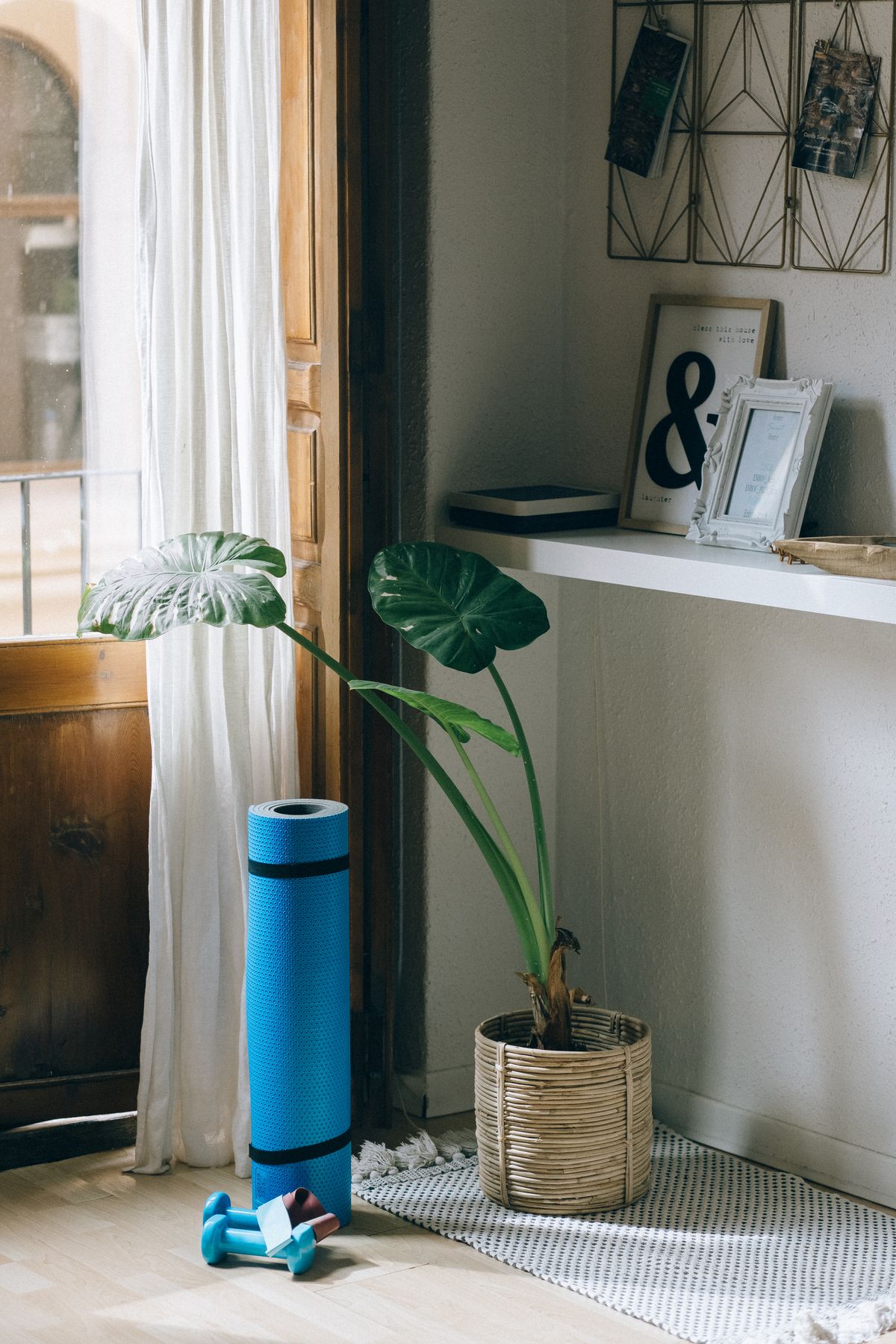
In a studio or open-plan apartment, a rug is the simplest way to mark where the calm corner begins. A small rug — 3 by 5 feet is plenty — under your cushion creates a visible boundary that your brain reads as a separate space, even though no wall exists. Choose a soft, natural-fiber rug in a quiet color, and keep it only for calm activities, so stepping onto it becomes part of the ritual. A rug also adds physical comfort, cushioning your knees and feet, and it dampens sound slightly, which helps in a hard-floored apartment. If you cannot afford a new rug, a folded blanket or a large towel works as a temporary zone marker. The boundary matters more than the material: a defined space is a space you will protect.

10. Build a Morning-Light Corner by the Window
If you meditate or journal in the morning, a window corner is unbeatable, because morning light lifts mood and helps set your body clock. Place your cushion beside the window, facing the light rather than away from it, and keep the windowsill clear except for one plant or candle. Morning light also makes the corner beautiful with no effort — sunlight through a sheer curtain is the best decoration a calm corner can have. In winter, when mornings are dark, a daylight lamp for $25–$40 gives a similar lift. Keep a warm layer nearby, since window seats get chilly, and a small side table for tea makes the corner a morning ritual rather than a chore. Ten minutes of morning light and quiet can set the tone for the entire day.

11. Make It Work in a Shared Room
A calm corner in a shared apartment needs agreements, not just furniture. Talk with the people you live with about when the corner is in use — a simple signal, like the candle lit or a small sign, tells others to keep noise down for ten or twenty minutes. Choose times that fit everyone's routine, such as early morning or after dinner, rather than demanding silence at busy hours. Headphones and a rug boundary help, but respect matters most: if others honor your quiet time, honor theirs too, whether that is gaming, calls or music. A shared-room corner can still be deeply personal if the cushion, scent and basket are yours alone. Many people find that a respected shared corner actually strengthens household calm, because everyone learns to protect quiet.
12. Start a Five-Minute Daily Ritual
The best calm corner is the one you use, and a tiny daily ritual is what makes use automatic. Keep it to five minutes at first: sit down, light the candle, take five slow breaths, and sit quietly until a timer sounds. Attach it to something you already do — after brushing your teeth, before your first coffee, or right after work — so it needs no willpower to remember. A short daily practice beats an ambitious weekly one, because habit grows from repetition, not intensity. After two weeks, you can extend to ten or fifteen minutes if you want, but there is no requirement to. The ritual, the corner and the habit reinforce each other: the corner invites the ritual, and the ritual makes the corner sacred. Start tomorrow morning, for five minutes, and see what changes.
Conclusion
A calm corner is not about perfection, space or spending — it is about one small spot, kept ready, where quiet is allowed. Choose the corner, add a cushion, a plant and warm light, and protect five minutes a day for yourself. Over weeks, that corner becomes the place you go without thinking, and that is the real test: not how it photographs, but how often it restores you. For more on making a small room feel like a retreat, see our cozy reading corner ideas, and if your calm corner shares an open-plan room, our studio apartment layout ideas show how to zone it without building walls. Sit down, breathe, and begin.



0 Comments