
12 Tiny Apartment Pet-Feeding Station Ideas for Small Kitchens and Corners
A pet-feeding station sounds like a luxury until you live with bowls sliding across a tiny kitchen floor, kibble underfoot and a water bowl wedged against the fridge. In a small apartment, the feeding spot has to work hard: it must be easy to clean, hard to knock over, kind to your pet's joints, and tidy enough that you do not trip over it at midnight. The good news is that you do not need a remodel or a spare room. A corner of the kitchen, a hallway nook, a cabinet door or even a single shelf can become a proper station with a few smart choices. The twelve ideas below cover placement, storage, hygiene and style, so feeding time stops being a mess and starts being a calm little ritual for both of you.
1. Claim One Corner and Keep It Sacred
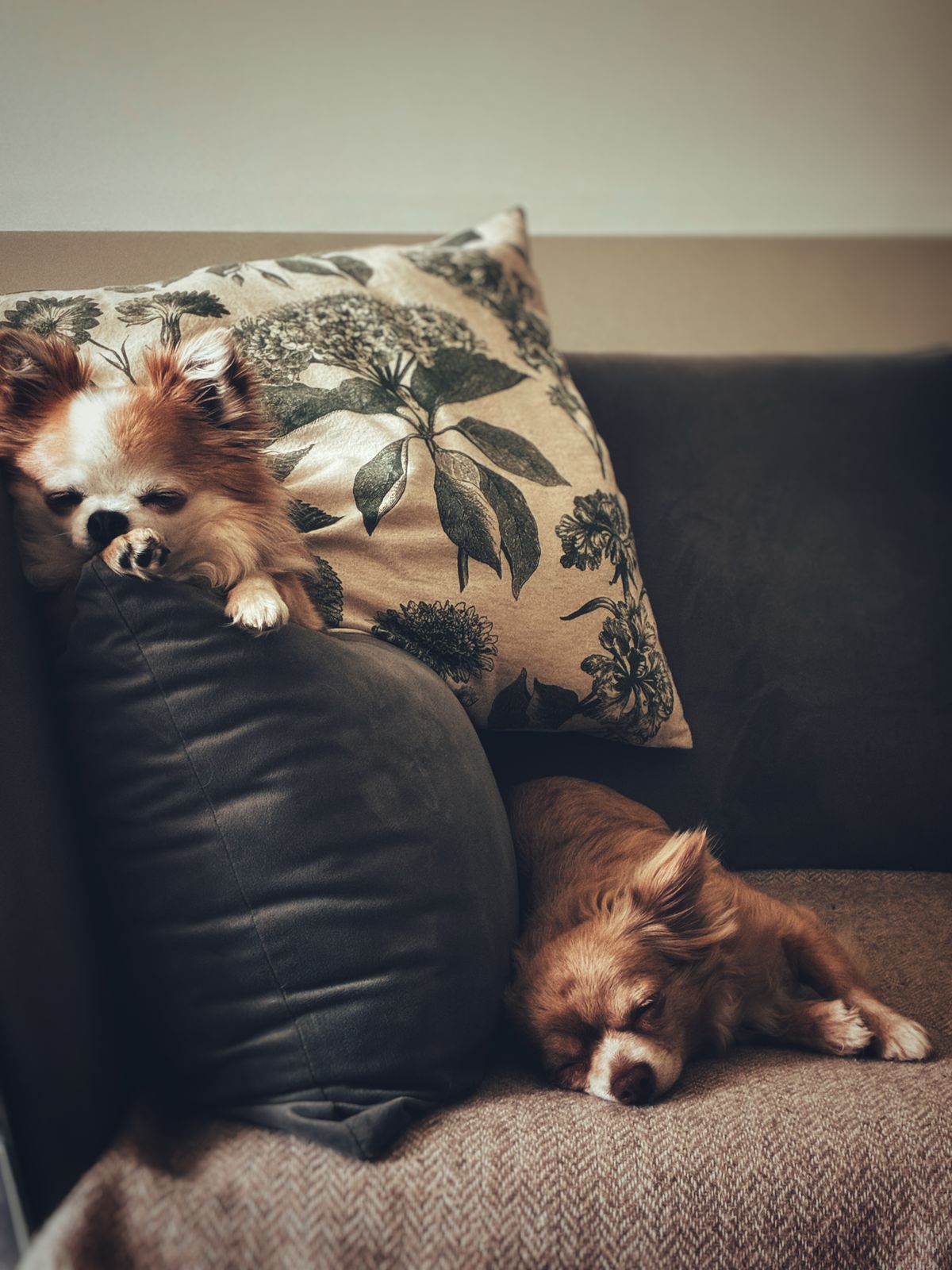
Pick one spot for food and water and never move it. Pets learn routines fast, and a fixed corner means less begging in the kitchen, fewer spills in new places and an easier clean-up habit for you. Choose a corner away from the main walkway and the front door, ideally near a wall where a mat can sit flat. Measure the space first: two bowls plus a mat need roughly two feet of width. Once the spot is chosen, everything else in this guide — storage, mats, raised feeders — is built around it, so resist the urge to shuffle bowls around when guests come over.
2. Use a Raised Feeder for Comfort and Clean Floors
A raised feeder lifts bowls a few inches off the floor, which helps larger dogs and older cats eat without straining their necks, and it keeps the bowls from sliding. In a tiny kitchen, a slim raised stand with a small footprint beats a wide designer station. Look for a stand that holds standard stainless bowls, so replacements are cheap, and check the height against your pet: the bowl rim should sit near chest height, not chin height. A raised stand also makes mopping underneath a one-minute job instead of a bowl-juggling act.
3. Put a Washable, Lipped Mat Under Everything
Water splashes and kibble scatter are inevitable, so catch them at the source. A silicone or rubber mat with a raised lip contains spills, grips the floor and wipes clean in seconds. Choose a mat slightly larger than the bowls on both sides, and pick a colour that hides crumbs between washes. In a rental, a mat also protects the floor finish from water rings, which is one less thing to worry about at move-out time. Shake it outside daily and wash it properly once a week.
4. Store Food Right Beside the Bowls
Feeding time gets messy when the food lives in another room. Keep a small airtight container beside the station — under a counter, on a low shelf or inside the nearest cabinet — holding about a week's worth of food, with the scoop clipped inside the lid. Airtight storage keeps kibble fresh, keeps smells down and stops clever pets from nosing into an open bag. If you buy in bulk, keep the big bag sealed elsewhere and refill the small station container weekly, so the daily routine stays light and fast.
5. Turn a Cabinet Door Into a Feeding Nook
If floor space is truly tight, a low cabinet can hide the whole station. Remove or adapt one cabinet door area, place a shallow tray inside, and feed your pet with the door open at mealtimes and closed the rest of the day. This works best for cats and small dogs, and it keeps the kitchen looking calm between meals. Add a small stick-on light inside dark cabinets so you can see the bowls, and keep a towel nearby for the inevitable post-meal face wipe. Always check that the cabinet is free of cleaning products before converting it.
6. Choose Stainless Bowls and Skip the Fancy Ones
Stainless steel bowls are the quiet heroes of a small feeding station: they do not chip, they do not hold smells, they go in the dishwasher, and most pets cannot chew through them. Ceramic looks lovely but breaks on tile and can harbour cracks; plastic scratches and can cause chin acne in some cats. Buy two sets if you can, so one set is always clean while the other is in use. Label the water bowl if you use matching bowls, or simply use a larger bowl for water so the difference is obvious at a glance.
7. Add a Dedicated Water Spot Away From Food
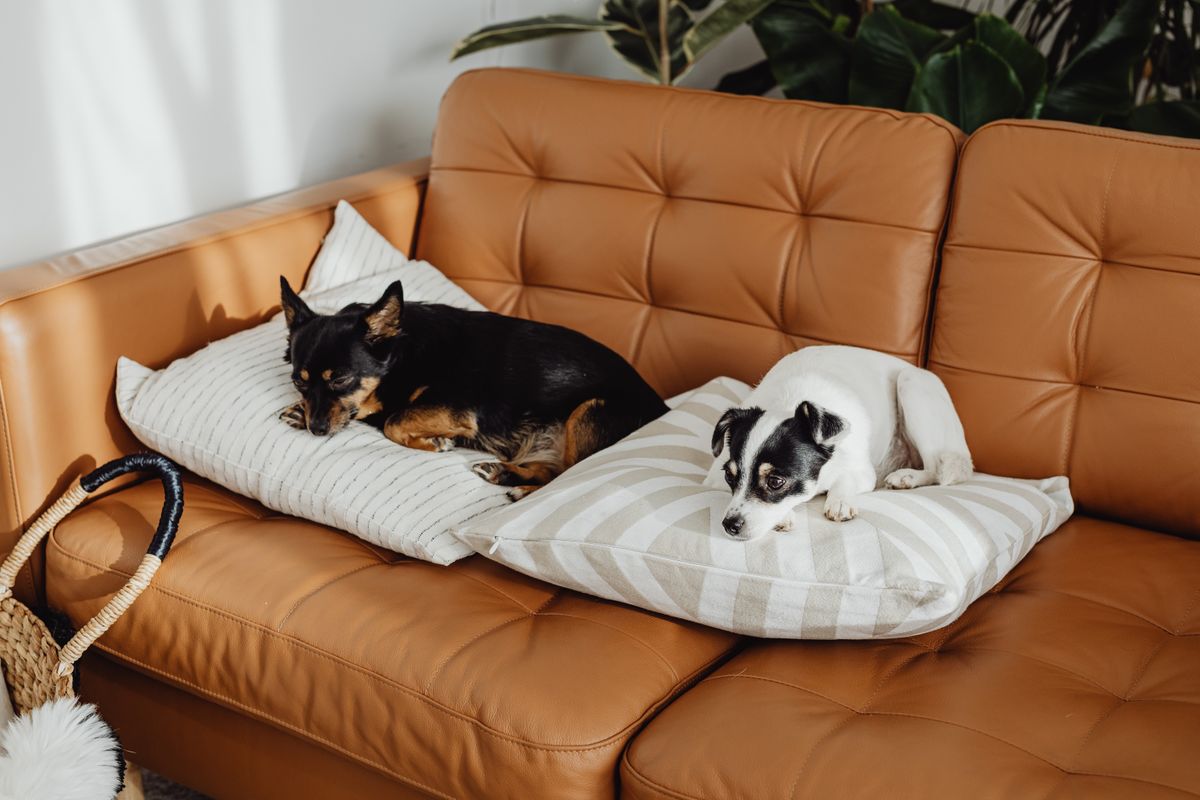
Many cats prefer water away from their food, and dogs drink more when water is easy to reach after a walk. If you have room, place a second water bowl in a quiet hallway or living-room corner, on its own small mat. A pet water fountain also works well in small homes: it encourages drinking, the filter keeps water fresher, and the gentle sound is barely noticeable. Whichever you choose, refresh the water daily and wash the bowl or fountain weekly — stale water is the fastest way to turn a good station into an ignored one.
8. Use a Rolling Cart for Tiny Kitchens
A slim rolling cart is a brilliant small-space feeder station: food, bowls, treats and a towel live on its tiers, and it wheels out for mealtimes and tucks into a gap afterwards. Choose a cart narrower than your kitchen gap, with a lip on each shelf so nothing slides off. At feeding time, roll it to the usual corner, set the bowls down, and roll it back when your pet is done. This also solves the "bowls in the walkway" problem in galley kitchens, where a permanent station would block the cook.

9. Keep Treats and Medicine in One Small Caddy
Mealtime extras — treats, dental chews, probiotics, medicine — scatter fast in a small home. Keep them in one small caddy or jar on the station shelf, with a lid your pet cannot open. A clear jar lets you see at a glance when treats are running low, and a single caddy stops you buying duplicates. If your pet takes medicine with food, keep a tiny measuring spoon in the same caddy so the routine is identical every day, which matters most on rushed mornings.
10. Make Clean-Up a Two-Minute Habit
A feeding station stays tidy only if cleaning it is faster than ignoring it. After each meal, wipe the mat, rinse the food bowl and top up the water — two minutes, every time. Once a week, wash bowls in hot soapy water, wipe the stand and shake the mat outside. Keep a dedicated cloth or paper towels within arm's reach of the station so you never have to hunt for them. Pets with sensitive stomachs benefit most from this habit, because old food residue is a common cause of upset stomachs that owners blame on the food itself.
11. Pet-Proof the Station Against Ants and Spills
Small apartments and food bowls attract ants, so prevention matters. A moat-style bowl base, a thin line of food-safe barrier, or simply keeping the station dry and crumb-free will stop most invasions. If your pet is an enthusiastic eater who flips bowls, use a heavy ceramic outer bowl with a stainless insert, or a bowl with a suction base. For messy drinkers, a splash-guard mat with high sides saves your skirting boards. Solve the one mess your pet actually makes instead of buying every gadget at once.
12. Make It Look Like It Belongs in Your Home
A feeding station does not have to look like a pet aisle. Match the mat and stand to your kitchen colours, use matching bowls, and add one small personal touch — a framed photo, a tiny plant your pet cannot reach, or a chalk label with your pet's name. When the station looks intentional, you are more likely to keep it tidy, and guests will notice a charming corner instead of clutter. For more pet-friendly small-home ideas, see our pet-friendly small apartment decor ideas and, for the rest of the kitchen, our small apartment kitchen decor ideas.
Conclusion: Small Station, Calmer Mealtimes
You do not need more space to feed a pet well in a small apartment — you need one fixed corner, a mat that catches the mess, food stored within reach, and a two-minute clean-up habit. Start with the corner and the mat this week, add a raised feeder or rolling cart only if your space and your pet truly need it, and let the routine settle before buying anything else. A calm feeding station makes mealtimes easier for you and more comfortable for your pet, and that quiet little corner will quickly become one of the best-organised spots in your home.



0 Comments