
12 Small Kitchen Island Alternatives for Tiny Kitchens
Every tiny-kitchen owner wants an island — extra counter space, extra storage, a place to eat — and almost none has room for one. A real island needs about a metre of clearance on every side, which most small kitchens simply do not have. The good news is that the jobs an island does can be done by smaller, smarter pieces: a rolling cart, a fold-down table, a butcher block on legs, or even a shelf at counter height. These 12 alternatives give you the counter space, storage, and eating spot of an island without the renovation, the cost, or the blocked walkway.
1. Start With the Clearance Rule
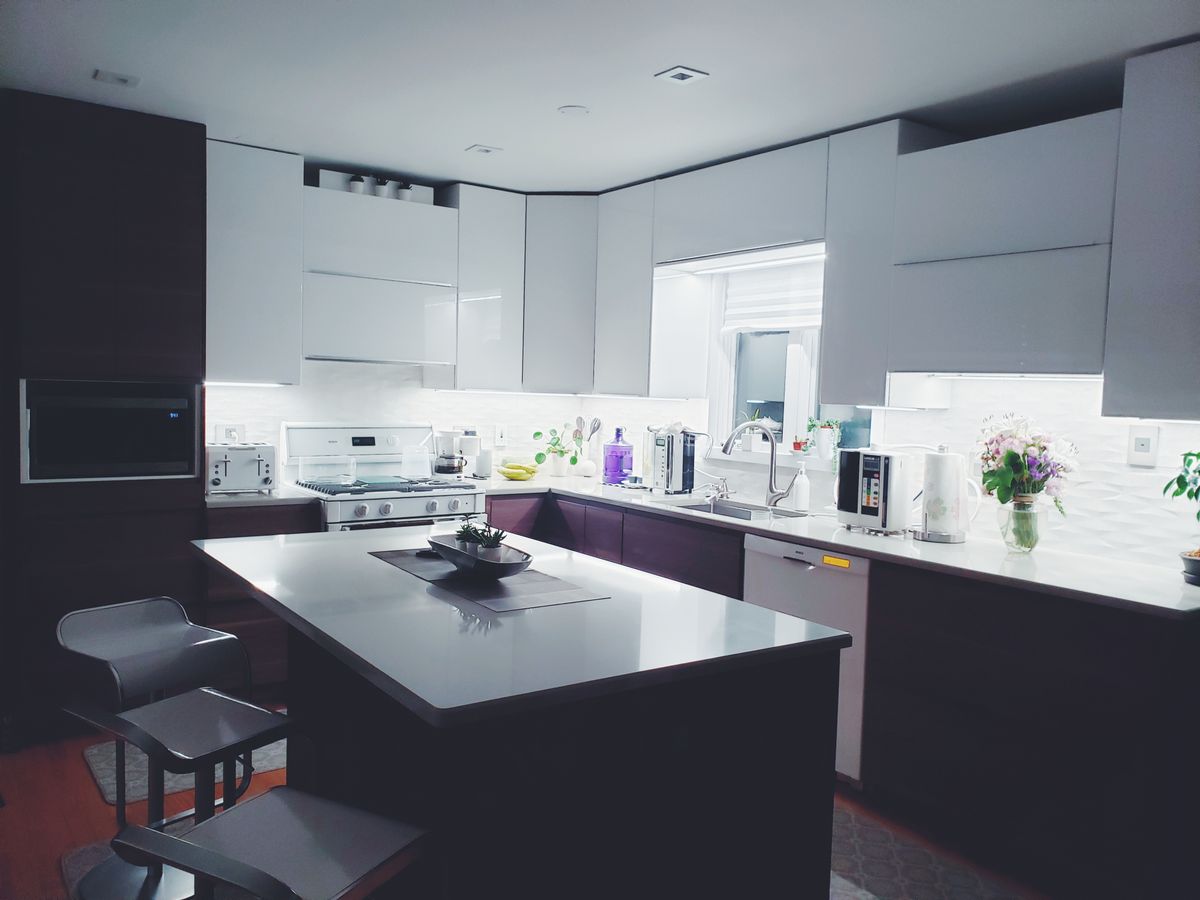
Before choosing any island alternative, apply the clearance rule: you need at least 90 cm of walkway between any new piece and the nearest counter, wall, or appliance, and 100–110 cm where an oven or dishwasher door opens. Measure your kitchen's free floor rectangle honestly — if it is smaller than about 120 × 90 cm, a fixed piece will block traffic, and you need a rolling or folding option instead. This rule is what separates an island alternative that makes cooking easier from one that makes it a daily obstacle course. Tape the footprint on the floor with painter's tape and live with it for a day before buying.
2. Roll In a Kitchen Cart (the Classic Swap)
A rolling kitchen cart is the closest thing to an island for a tiny kitchen: a butcher-block top for prep, a shelf or drawers below for pots and appliances, and wheels so it parks against a wall when you need floor space and rolls out when you cook. Choose a cart at counter height (about 90 cm) so it extends your work surface seamlessly, with locking wheels and a top that can handle a hot pan or a knife. A cart with a towel bar and a knife slot earns bonus points. When friends come over, the same cart becomes a serving station — an island's second job, done better.
3. Fold Down a Wall-Mounted Table
A wall-mounted fold-down table is an island that disappears. Folded up, it is a slim panel on the wall; folded down, it is a prep surface or a breakfast spot for two. This is ideal for the tiniest kitchens and for renters, since most fold-down tables mount with a few screws into studs and remove cleanly. Choose a table rated for real weight (not just a laptop shelf), mount it at counter height, and pair it with two folding stools that hang on the wall beside it. Folded down for dinner, folded up for floor space — the whole point of a small kitchen, in one piece of furniture.
4. Use a Butcher Block on Legs or a Worktable
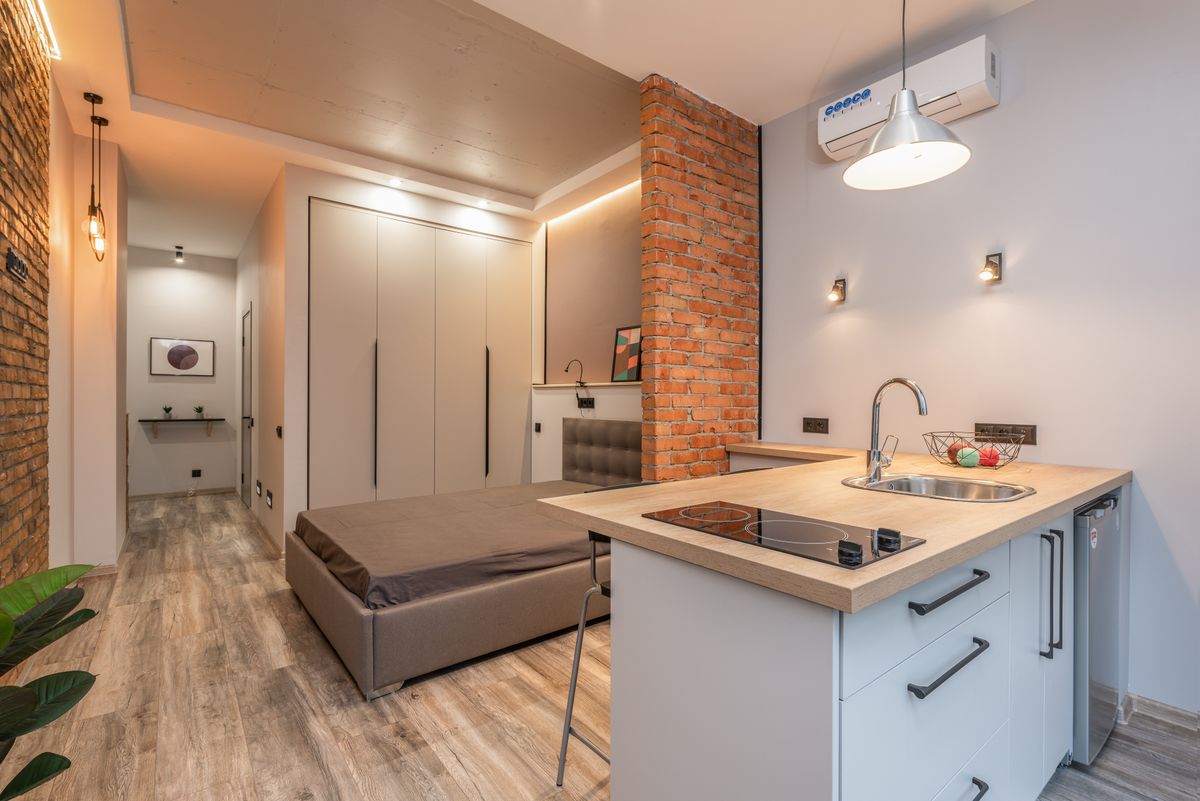
A simple butcher block on sturdy legs, or a stainless steel worktable, gives you a big, durable prep surface for a fraction of an island's price — and it looks intentionally professional rather than makeshift. Butcher block warms a kitchen and doubles as a serving board for gatherings; stainless steel is nearly indestructible and wipes clean in seconds. Either way, choose a piece with an open lower shelf for bulky pots, and keep the top clear except for a knife block and a small tray. A worktable against a wall becomes a baker's station; pulled into the room, it becomes an island for the evening.
5. Extend the Counter With a Breakfast Bar Ledge
If your kitchen has a half-wall, a pass-through, or a peninsula stub, a breakfast bar ledge turns it into an eating spot and a serving counter. A simple overhang of butcher block or stone, 25–30 cm deep, with two stools tucked beneath, gives you the social side of an island — eating, chatting, homework — without any floor footprint at all. This is also the cheapest island alternative on this list if the wall already exists. For more on the breakfast-bar side of tiny kitchens, see our tiny kitchen breakfast bar ideas, which pair perfectly with these alternatives.
6. Try a Narrow Console or Sofa Table as an Island
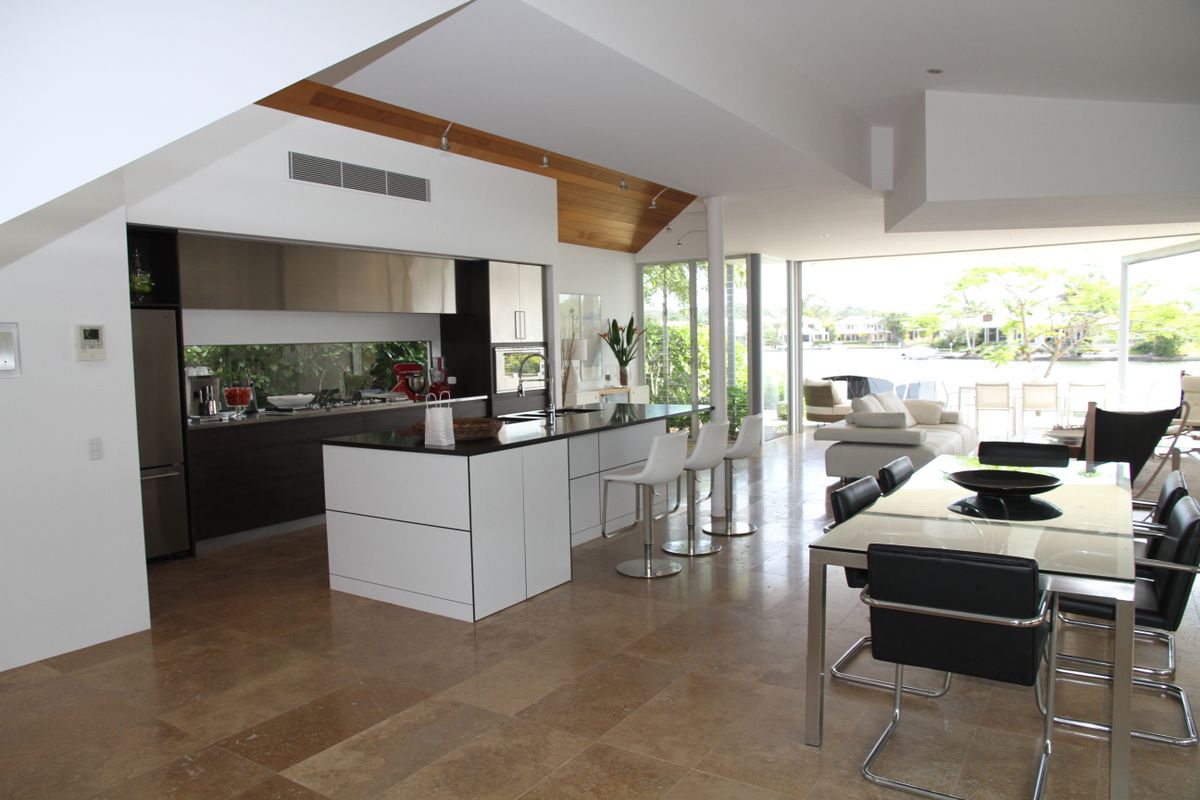
A narrow console table — 30–40 cm deep, counter height or slightly lower — can serve as a slim island against a wall or at the kitchen's edge, holding small appliances, cookbooks, and a fruit bowl while leaving walkways clear. Console tables are cheap, widely available secondhand, and easy to style, which makes them a great renter option. Add a couple of baskets underneath for produce or linens, and keep the top to one row of items so it reads as a work surface, not a display shelf. In a studio apartment, a console island can also mark the boundary between kitchen and living area.
7. Add a Rolling Pantry Tower for Storage
Sometimes what you really want from an island is not counter space but storage — and a tall, narrow rolling pantry tower delivers it without a footprint fight. Slim towers slide into gaps beside the fridge or between cabinets, holding cans, dry goods, and baking supplies in pull-out shelves you can actually see. Pair a pantry tower with your existing counters and you have effectively added an island's storage without adding an island. Measure the gap including skirting boards, and choose a tower with full-extension shelves so nothing hides at the back.
8. Use a Drop-Leaf Table for Flexible Space
A drop-leaf table is the old-fashioned answer to the island problem and still one of the best: leaves down, it is a slim console against the wall; one leaf up, it seats two; both leaves up, it seats four or becomes a full prep surface. Drop-leaf tables suit tiny kitchens because they adapt to the moment — folded for daily cooking, expanded for a dinner party. Look for a sturdy gate-leg or rule-joint design that locks open safely, and store folding chairs nearby so the expanded table is usable in seconds, not after a furniture-moving project.
9. Put a Cutting Board Over the Sink
The cheapest counter extension in any tiny kitchen is already there: a cutting board that fits over the sink. A sink cover board adds a full prep surface in seconds, and a board with a colander insert lets you chop and rinse in one motion. This is not a substitute for a table, but it is the difference between having room to prep dinner and not, on the nights when every centimeter counts. Pair a sink board with a rolling cart and a fold-down table and your tiny kitchen suddenly has three "islands" that all fold away.

10. Build an Island Look With Open Shelving Below
If you have a peninsula or a short counter run, open shelving beneath the overhang turns it into an island-style storage wall: baskets for produce, hooks for mugs, a shelf for cookbooks. The island look comes less from the piece itself than from treating one counter as a destination — styled top, useful storage below, stools tucked in. Keep the styling tight (matching baskets, one row of books) so the peninsula reads designed, not cluttered. For shelving ideas that work with this setup, see our small kitchen open shelving ideas.
11. Choose Stools That Disappear
Whatever island alternative you pick, the stools decide whether it works daily. Backless stools tuck fully under a counter or cart, so they never block a walkway; folding stools hang on a wall hook when not in use; stackable stools nest in a corner. Measure the seat height against your counter (about 25 cm below the surface for comfortable eating) and test that stools actually slide under before buying — a stool that sticks out 10 cm into a walkway will be tripped over daily. Two good stools beat four awkward ones in a tiny kitchen, every time.
12. Combine Two Alternatives Instead of One Big Island
The final secret of tiny kitchens: you do not need one piece to do an island's three jobs. A rolling cart for prep plus a fold-down table for eating plus a pantry tower for storage beats a single cramped island on every measure — more flexible, cheaper, and movable when the kitchen's needs change. Start with the job you miss most (usually prep space), add the second piece a month later, and let the kitchen evolve. A tiny kitchen with two smart alternatives feels bigger than a small kitchen with one island squeezed in, because nothing in it is fighting for clearance.



Conclusion: The Island You Can Actually Use
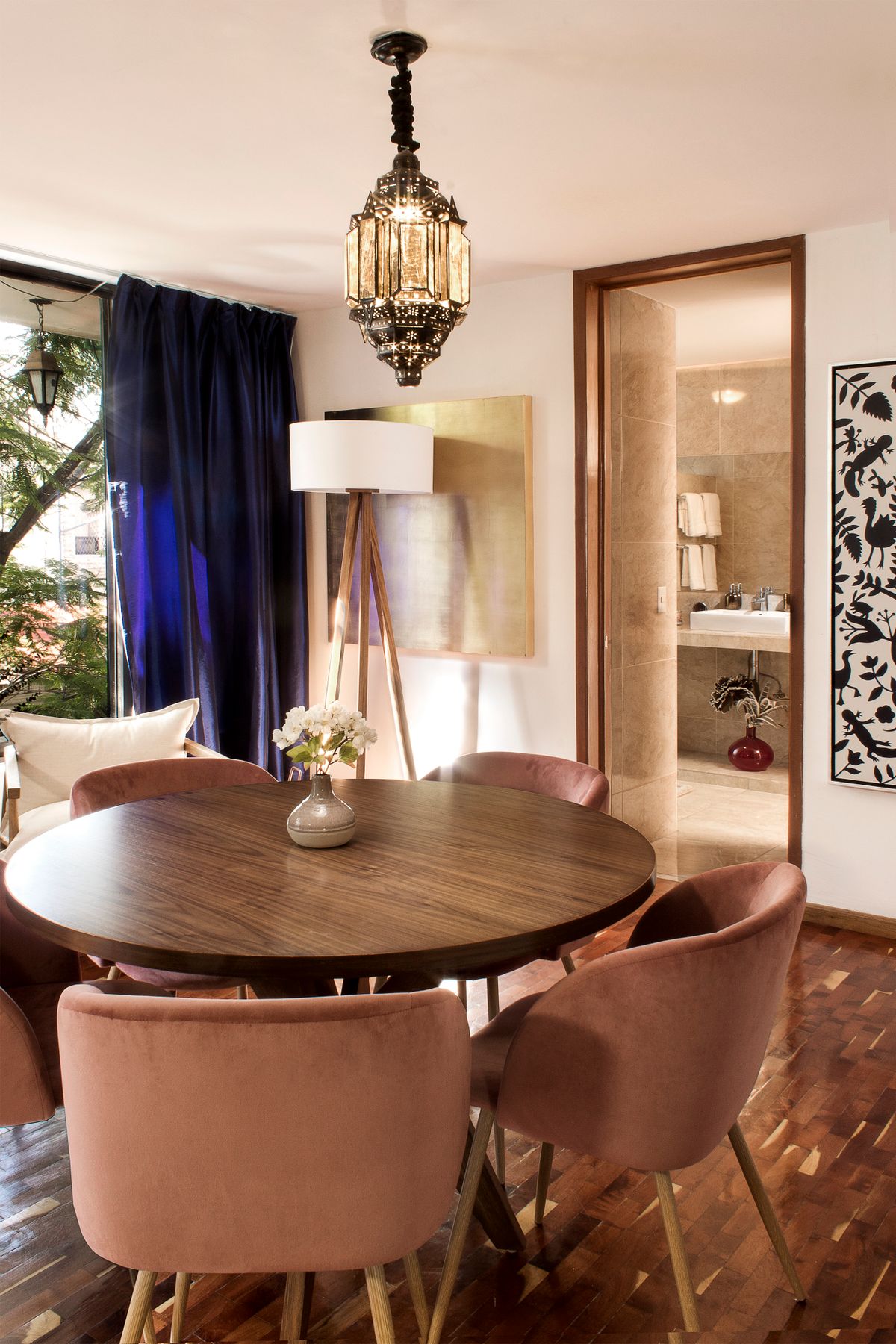
A tiny kitchen does not need an island — it needs what an island promises: a little more counter, a little more storage, and a place to sit. A rolling cart, a fold-down table, or a butcher block gives you all three without the clearance fight or the renovation bill. Tape the footprint, pick the job you miss most, and start there. Your kitchen will feel bigger the day the right small piece arrives — because the best island for a tiny kitchen is the one that fits.



0 Comments