
13 Narrow Hallway Console Ideas for Small Apartments and Tiny Entryways
A narrow hallway is the most wasted space in a small apartment — too tight for furniture, too visible to ignore, and the first thing guests see. A console table changes that, but only if it is chosen for the hallway you actually have: shallow enough to walk past, sturdy enough for daily keys and post, and styled so it does not become a dumping ground. The thirteen ideas below cover console widths, wall-mounted alternatives, storage that hides clutter, lighting that opens a dark corridor, and styling rules that keep a narrow table looking calm. Measure first, buy second, and your hallway will finally earn its keep.
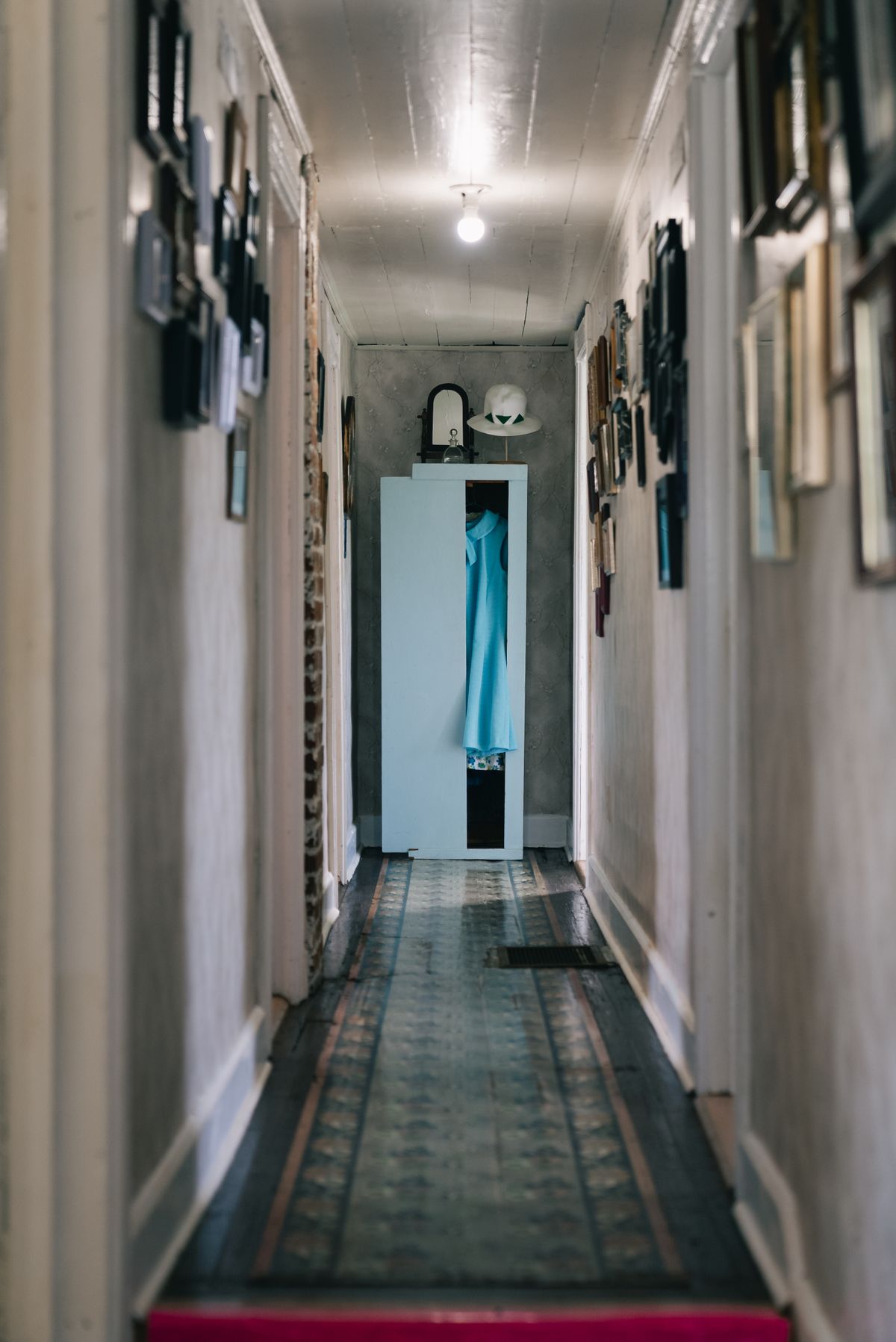
1. Measure the Walkway Before You Buy Anything
A console only works if people can still walk past it comfortably. Measure your hallway width, then subtract the console depth and check what is left: you need at least 90 centimetres of clear walkway, and more if the hallway is also an escape route or a wheelchair route. Most narrow hallways suit consoles 20 to 25 centimetres deep — deeper tables look generous in a shop and obstructive at home. Write the maximum depth on your phone before shopping, and do not let a beautiful table talk you past it.
2. Use a Wall-Mounted Shelf as a Console
When even a shallow table is too much, a wall-mounted shelf does the console's job with zero floor footprint. A single floating shelf at hip height holds keys, a small bowl and post, while the floor beneath stays clear for shoes or a basket. Choose a shelf with a small lip so items do not slide off, and fix it into studs or proper wall plugs — hallway shelves take daily knocks. This is also the best option for rented homes with very narrow corridors, since one shelf leaves almost no trace.
3. Choose a Console With Drawers, Not Just a Top
A console top alone invites clutter; a console with one or two shallow drawers hides it. Keys, dog leads, spare batteries and charging cables all fit in a shallow drawer, leaving the top for one lamp and one decorative piece. In a narrow hallway, drawers beat open shelves because closed fronts look calm from the front door. If your console has no drawers, add a small lidded box on the lower shelf for the same job — the principle is closed storage, not more display.
4. Add a Mirror Above to Double the Light
A mirror above a hallway console is the oldest trick because it works: it bounces light down a dark corridor and makes the space feel twice as wide. Hang the mirror so its centre sits at eye level, and keep its width slightly narrower than the console beneath it. A round mirror softens a long straight hallway, while a tall rectangle suits a high ceiling. Avoid placing a mirror directly opposite a cluttered room — it will double the clutter too.
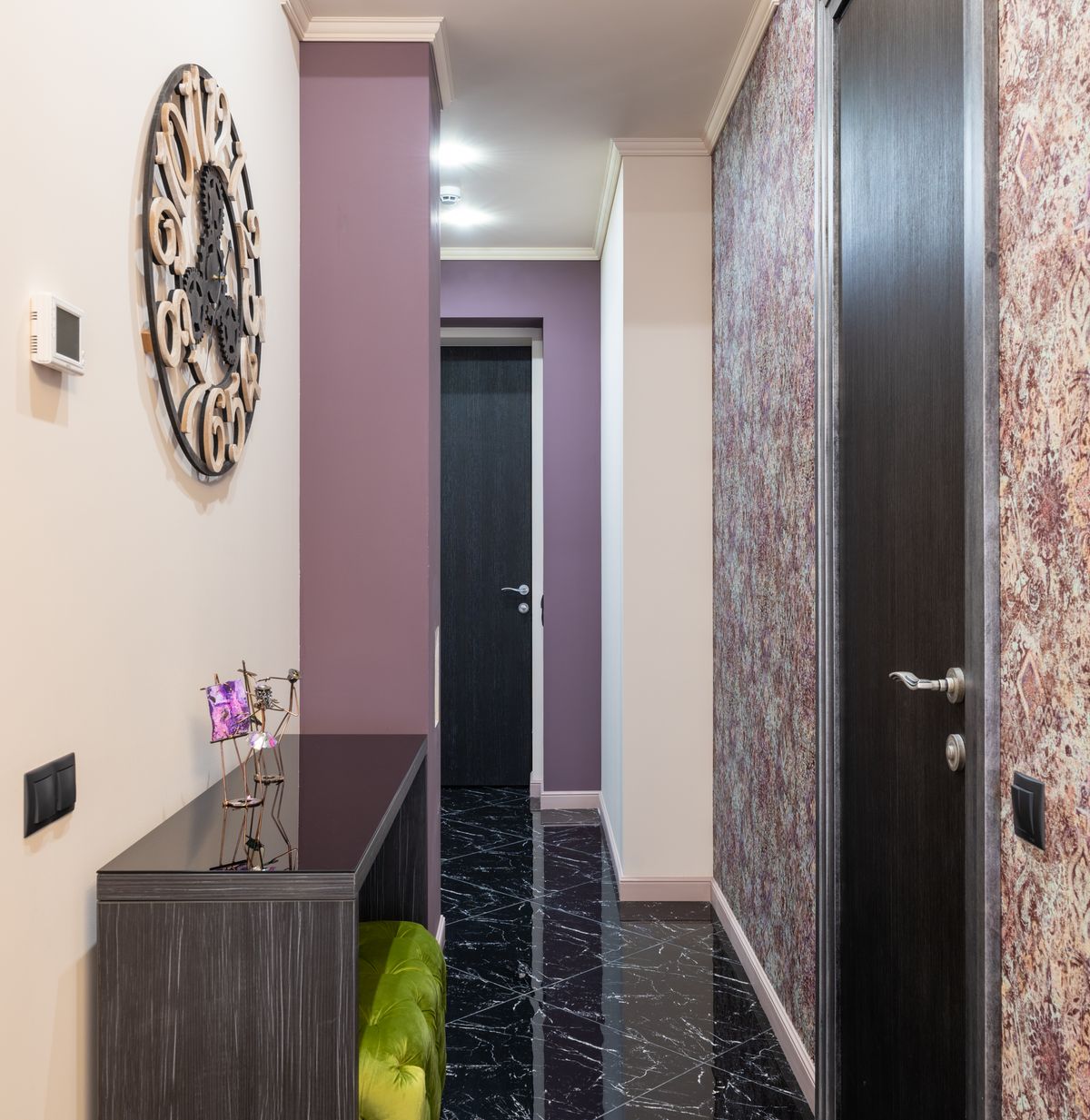
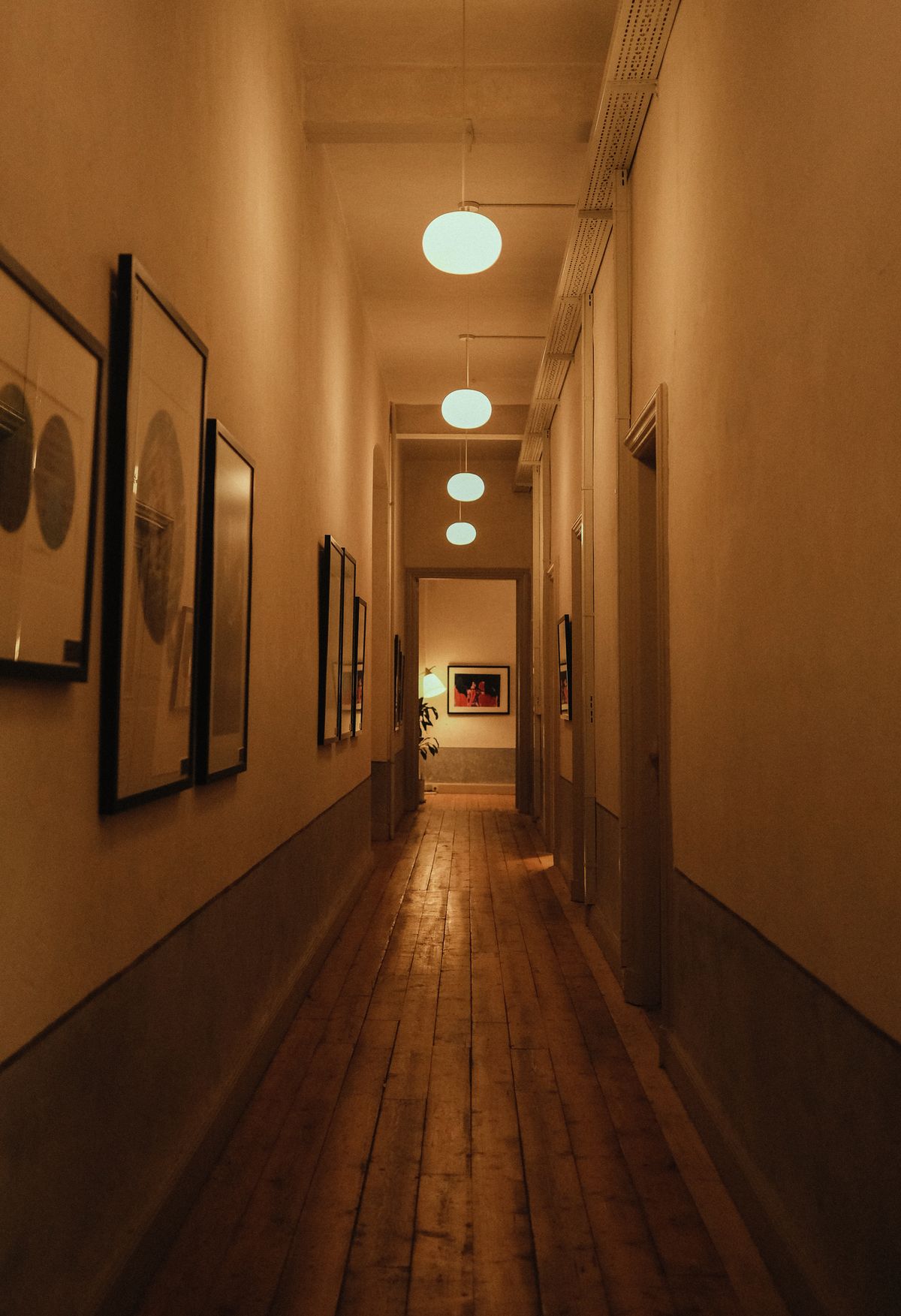
5. Light the Console, Not Just the Hallway
Overhead hallway lights flatten everything, so add a small lamp or a battery picture light at the console itself. Warm light at the console creates a focal point, makes keys easy to find, and turns a pass-through into a welcoming entry. A slim lamp with a small base fits narrow tables best; if there is no socket nearby, a rechargeable lamp or a stick-on light under the mirror works just as well. Keep the light warm white, around 2700K, so the hallway feels cosy rather than clinical.
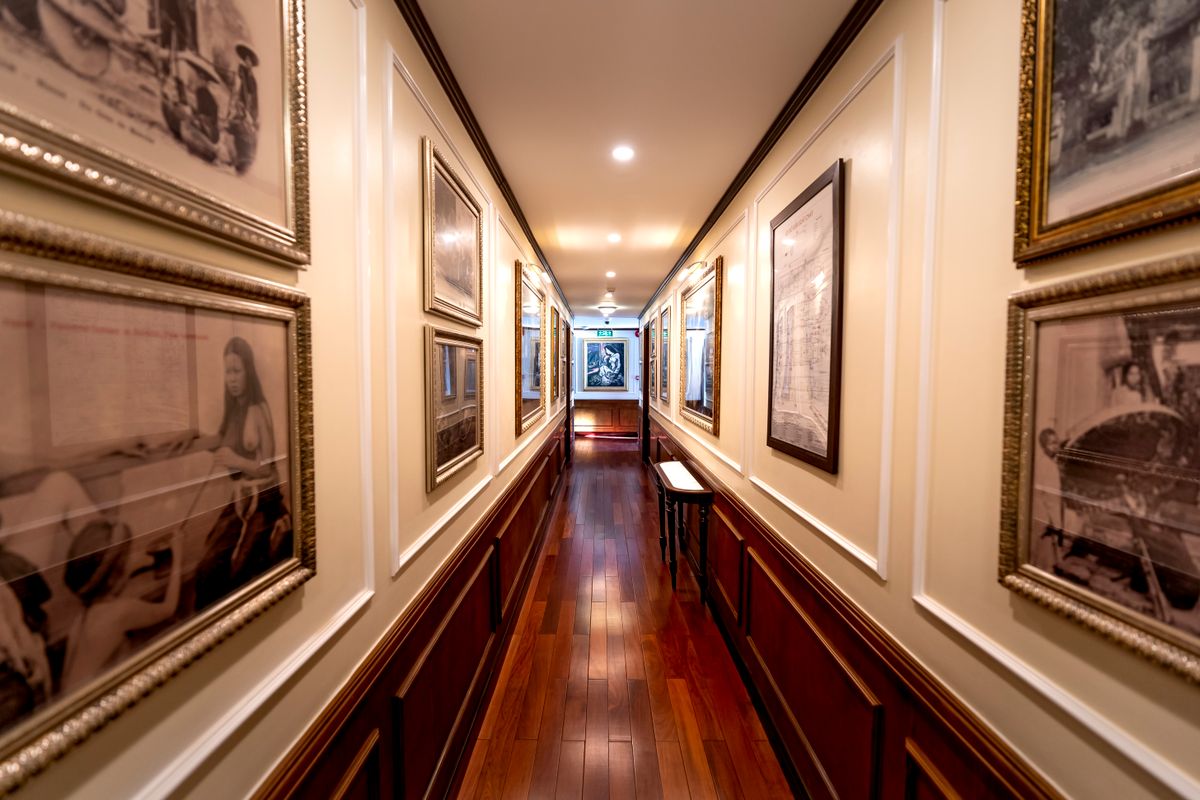
6. Use the Space Underneath for Baskets
The floor beneath a console is prime storage if it is used deliberately. One or two matching baskets hold shoes, umbrellas, scarves or pet leads, and they stop those items migrating onto the console top. Choose baskets that fit fully under the table without sticking into the walkway, and label them only if the household needs it — matching baskets already look tidy. Empty the baskets monthly, or they quietly become the hallway's junk drawer.
7. Keep the Top to Three Things
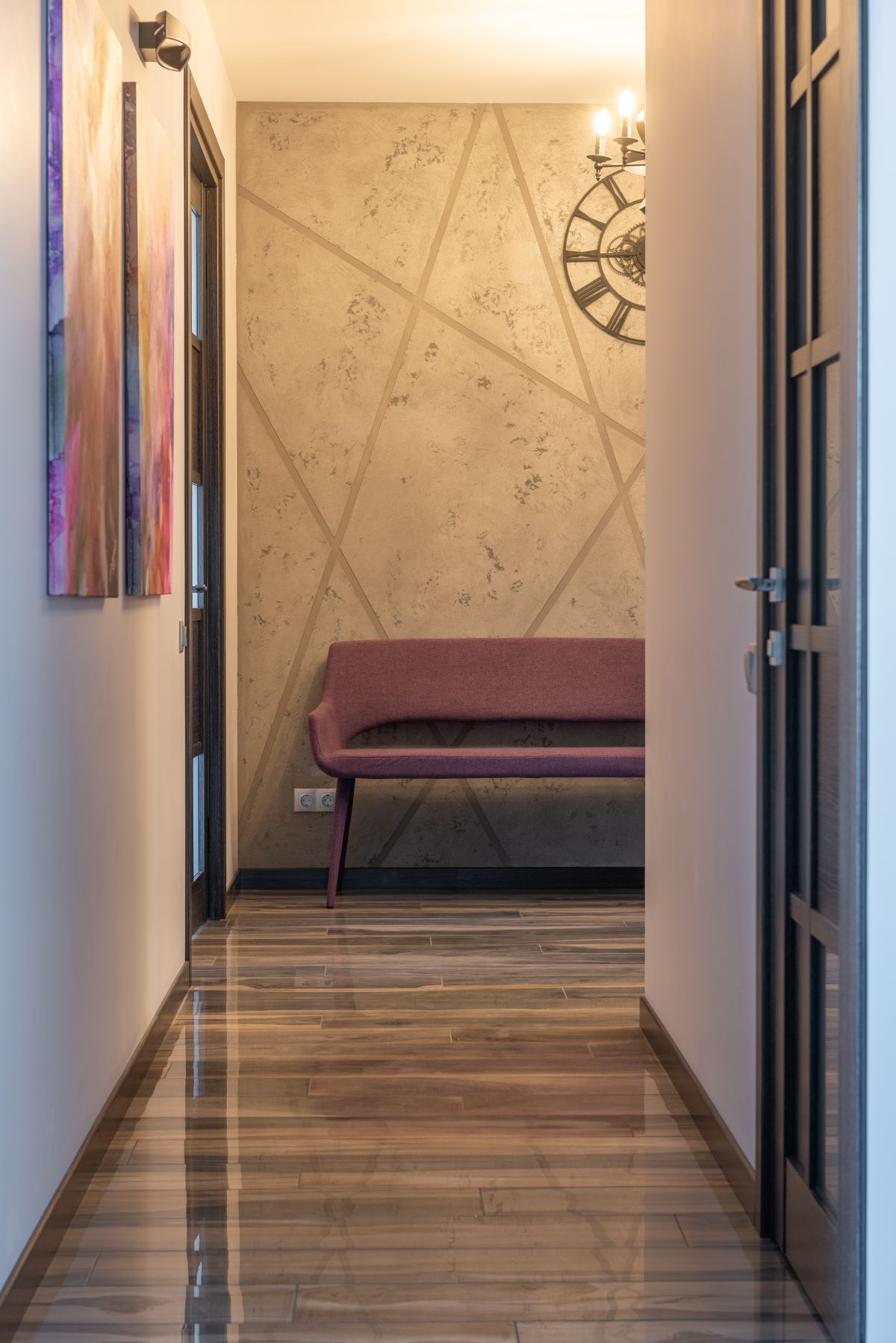
A narrow console top stays calm with three items: something tall (a vase or lamp), something flat (a tray or book stack), and something personal (a photo or small plant). A tray is the secret weapon — keys, coins and post live in the tray, so the rest of the top stays clear. If a fourth item arrives, something else must leave. This rule sounds strict, but it is the difference between a styled console and a shelf where post goes to die.
8. Try a Slim Bench Console for Sitting and Storage
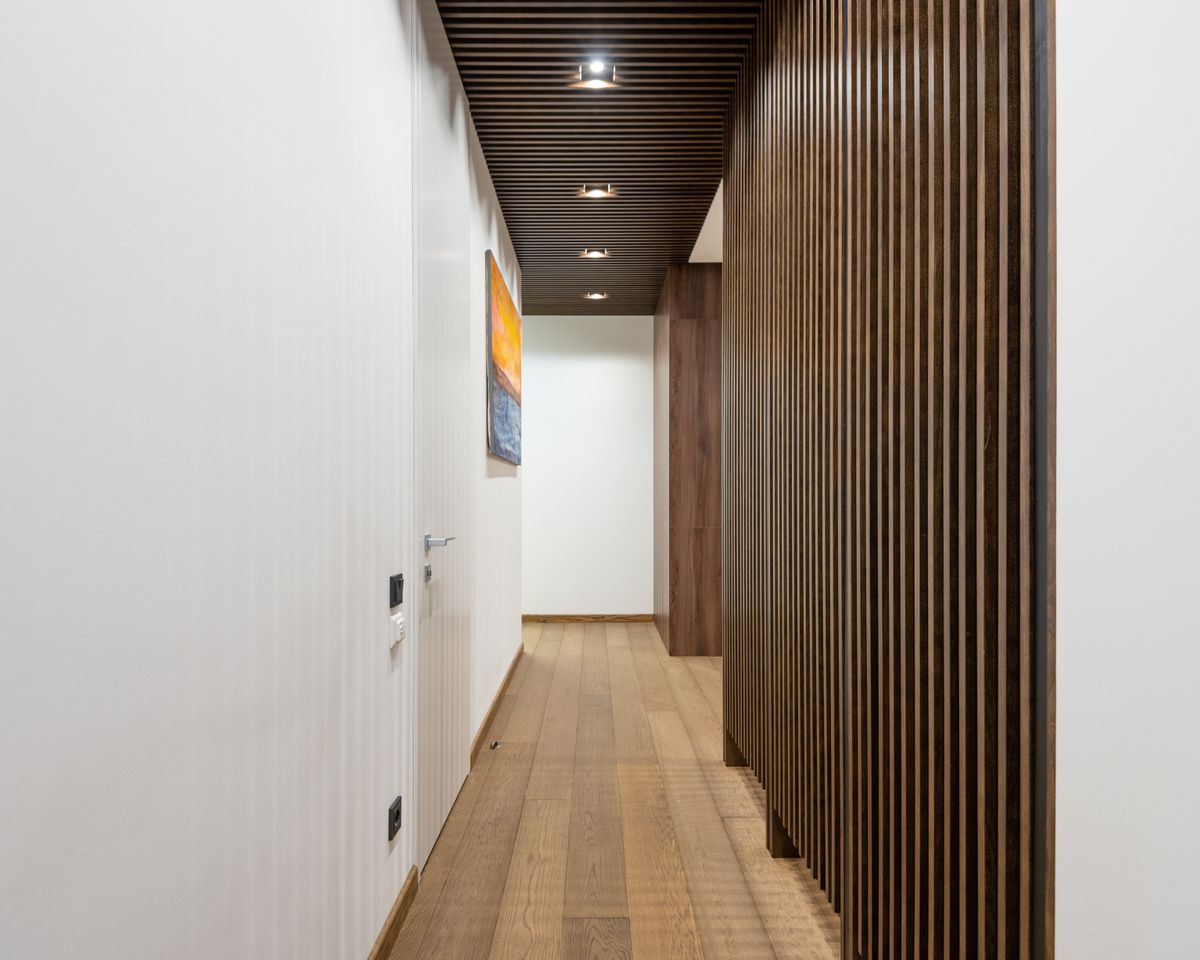
In an entryway hallway, a slim bench with a console shelf above it does two jobs: a place to sit while putting shoes on, and a place for keys at standing height. Choose a bench no deeper than the console above it, with storage underneath for shoes. This works best in hallways at least 110 centimetres wide, where sitting does not block the walkway. Add a cushion in a washable fabric, since hallway benches take daily use and muddy coats.

9. Paint or Paper the Hallway Wall Behind the Console
A narrow hallway feels longer when its walls are all the same pale colour, so give the console wall its own identity. A single painted accent wall, a strip of removable wallpaper, or a row of framed prints behind the console creates a destination at the end of the corridor. Keep the colour lighter than you think — dark colours shrink narrow spaces — and repeat one accent from the console wall in the next room so the hallway feels connected, not cut off.

10. Add Hooks Above for Coats Without a Closet
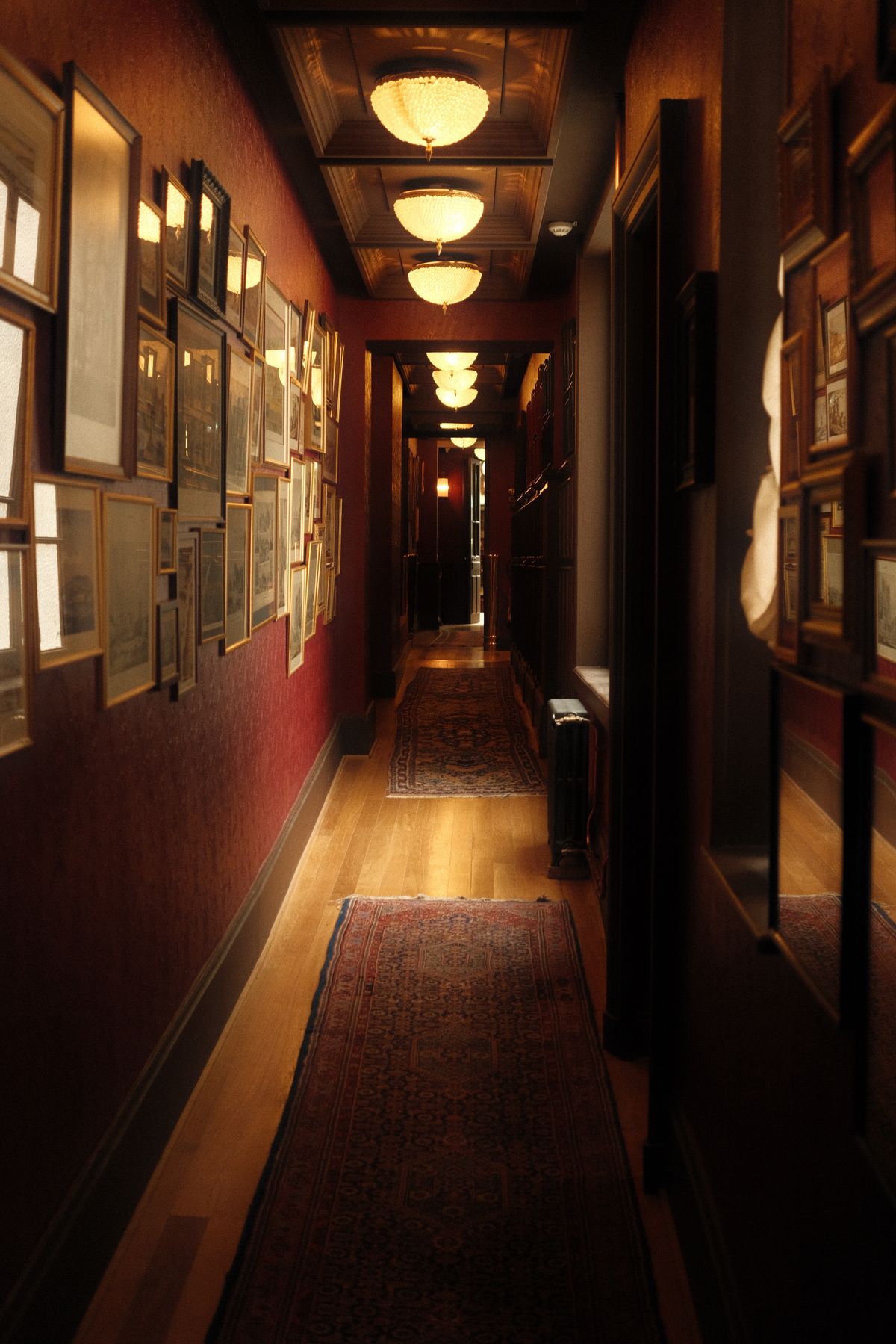
Hallways without a coat closet need hooks, and a row of hooks above a console keeps coats off chairs and off the console itself. Space hooks about 20 centimetres apart, at a height children and adults can both reach, and limit the row to the number of coats the household actually wears daily. A small shelf above the hooks catches hats and gloves. Hooks also stop the console top becoming a coat dump — the most common hallway failure of all.
11. Use a Runner to Define the Hallway
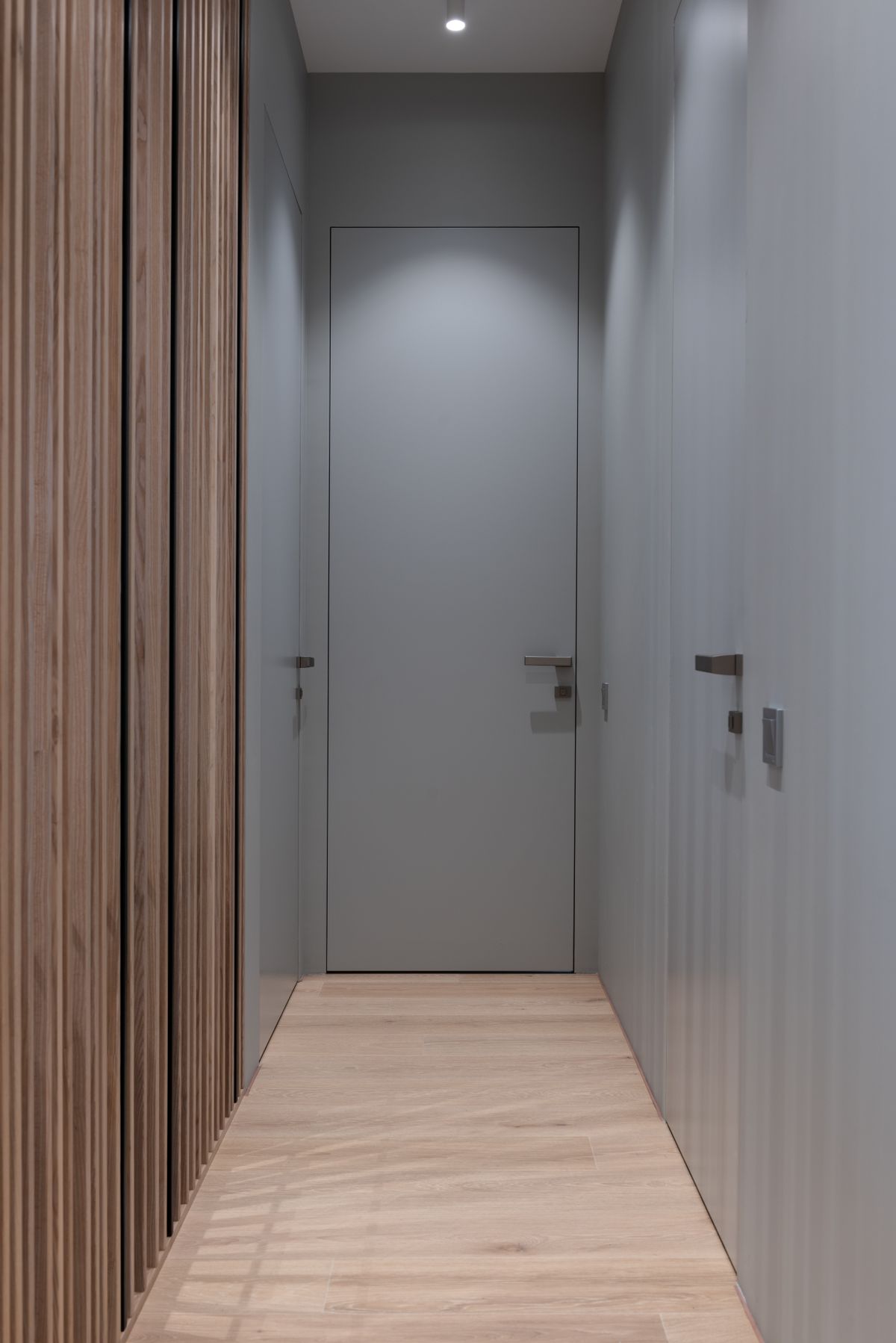
A runner rug does for a hallway what a rug does for a living room: it defines the space, adds warmth and protects the floor. Choose a runner narrower than the hallway with at least 10 centimetres of floor showing on each side, and a low pile that doors can clear. A washable runner is essential in an entryway hallway, where mud and rain arrive daily. The runner should run the full length of the console zone, not just under the table, so the hallway reads as one intentional space.
12. Style Seasonally With One Swap Only
A hallway console is the easiest place to mark the seasons, and the easiest to overdo. Change one item only per season: a vase of branches in winter, a small bowl of lemons in summer, a pumpkin in autumn. One swap keeps the console fresh without a full restyle, and it stops seasonal decorations from accumulating on a table that has no room for them. Store off-season console pieces in the same basket under the table, so swaps take two minutes.
13. Keep a Weekly Two-Minute Hallway Reset
Even the best console fails without a reset habit. Once a week, clear the top, return stray items to their rooms, empty the tray of old post, and wipe the surface. Two minutes is enough, and doing it on the same day each week — say, Sunday evening — keeps the hallway welcoming for the week ahead. For more hallway ideas, see our narrow hallway decor ideas and, for the entryway, our small entryway decor ideas.
Conclusion: A Hallway That Finally Works
A narrow hallway console is not about buying a prettier table — it is about measuring the walkway, choosing shallow or wall-mounted storage, lighting the spot, and keeping the top to three things. Start with the measurement and the tray, add a mirror and a lamp if the hallway is dark, and protect the whole arrangement with a weekly two-minute reset. Done that way, the narrowest corridor in your apartment becomes a useful, welcoming entry instead of a space you rush through.



0 Comments