
12 Small Apartment Winter Entryway Ideas for Cold Months
Winter turns a small apartment entryway into the hardest-working square footage in the home. Wet boots, heavy coats, scarves, gloves, umbrellas, and bags all arrive at the same door — and in a hallway that may be only 3 to 4 feet wide, that pile becomes a tripping hazard by December. The trick is not a bigger entryway; it is a winter system: a place for wet things to drip, a place for dry things to hang, a draft barrier that keeps cold air out, and warm light that makes the whole space feel welcoming instead of chaotic. These 12 ideas are all renter-friendly, sized for tiny halls, and built for real cold months in the USA, Canada, the UK, and northern Europe — where slush, salt, and dark afternoons are part of daily life.
1. Start With a Boot Tray That Actually Contains the Mess
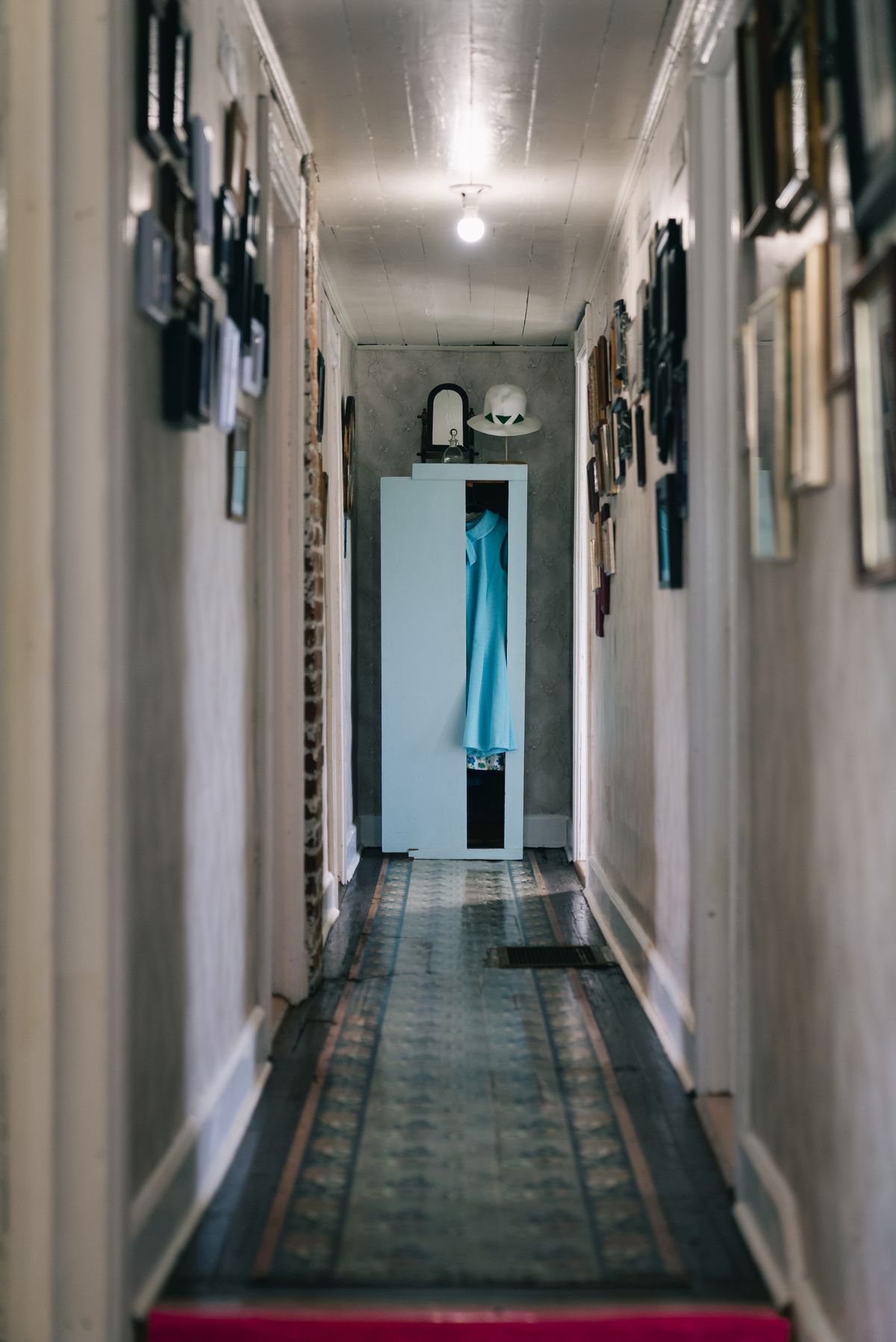
A boot tray is the single highest-impact winter entryway buy, and size matters more than style. Choose a tray at least 30 inches wide and 15 inches deep so two pairs of adult boots fit side by side without hanging over the edge, with a raised lip of at least 1 inch to hold melting snow. A tray with a ridged or slatted base keeps soles out of standing water, which protects both your boots and your floor. Budget roughly $15–$35 for a sturdy rubber or metal tray, and place it directly inside the door — not across the hall — so wet boots never travel further into the apartment. Empty and wipe it once a week, because road salt left sitting will stain both the tray and anything stored on it.
2. Give Every Coat a Hook — and Cap the Number
Winter coats are bulky, and three of them on one hook become a shapeless heap that sheds hats and scarves onto the floor. Install a row of sturdy wall hooks spaced 8 to 10 inches apart, mounted into studs or with heavy-duty adhesive fixings rated for at least 10 pounds each, and assign one hook per person plus one guest hook — then enforce the cap. Coats that exceed the cap live in the closet, not the hall. A hook rail costs roughly $20–$45, takes under 30 minutes to fit, and comes down cleanly at move-out if you use adhesive or fill small screw holes. Keep the rail at 65 to 68 inches high so coats hang clear of the boot tray below and children can still reach the lowest hook.
3. Add a Slim Bench You Can Sit On to Change Boots
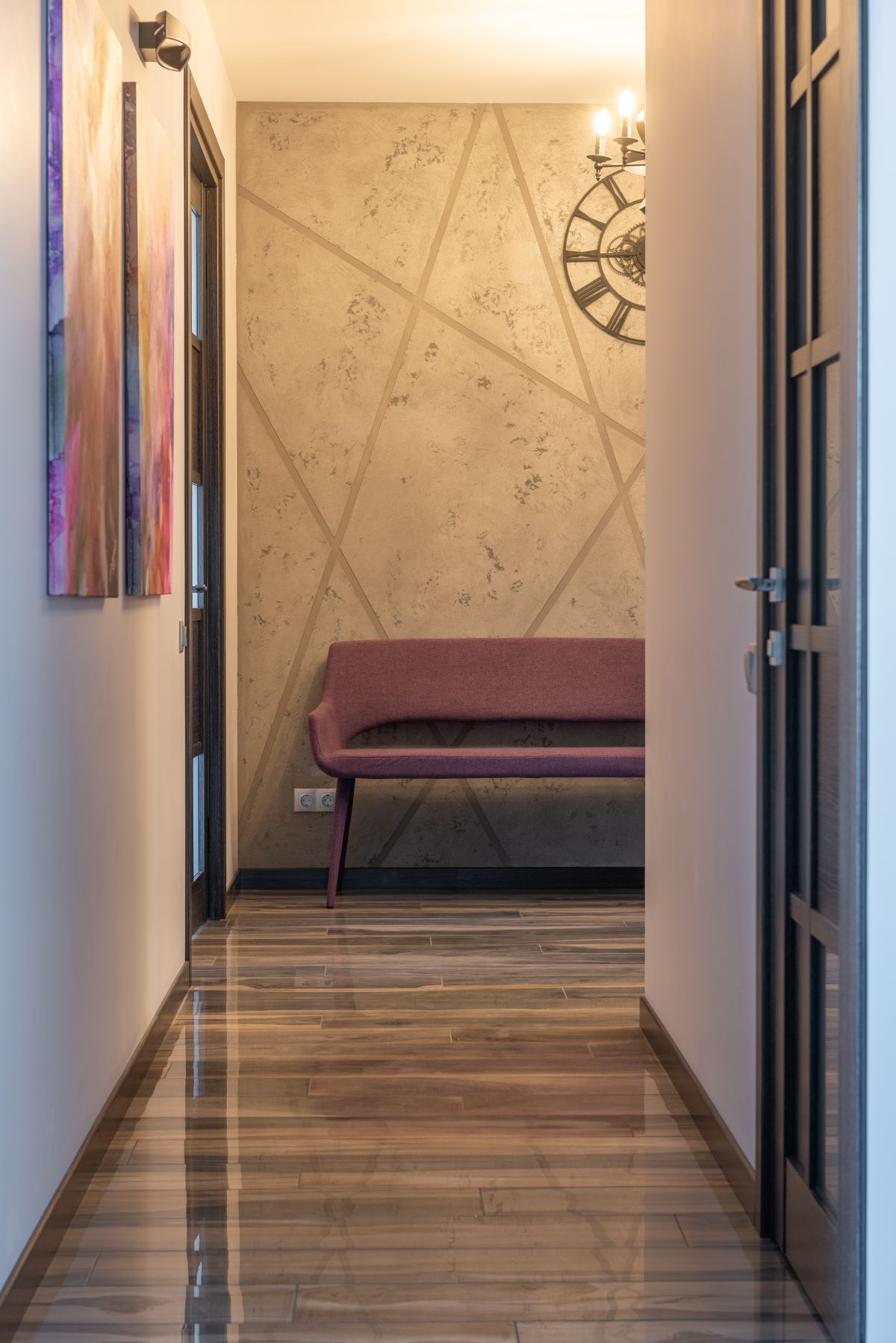
Changing winter boots while standing, holding a bag, in a narrow hall is how walls get scuffed and ankles get twisted. A bench just 12 to 14 inches deep and 30 to 36 inches long fits most small entryways without blocking the walkway, which should stay at least 30 inches clear. A bench with open space or a slatted shelf underneath doubles as extra boot storage, while a lidded bench hides gloves and hats. Budget roughly $40–$90 for a simple wood or metal bench, and add felt pads to the feet so it never scratches a rental floor. If even 12 inches is too deep, a wall-mounted fold-down seat — the kind that folds flat when not in use — gives you the same sit-down spot in under 6 inches of depth.
4. Draft-Proof the Door With a Sweep and a Curtain
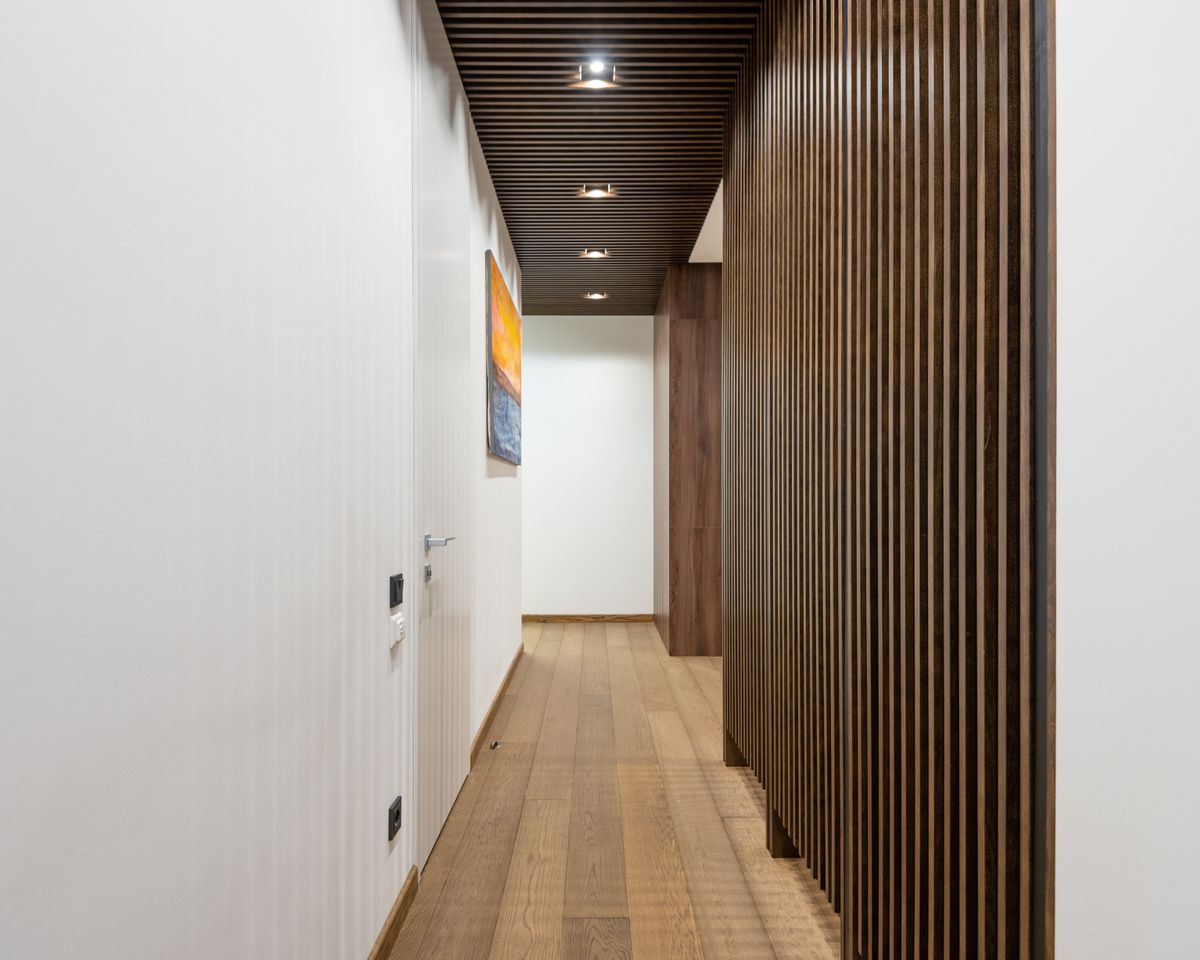
A cold draft under the front door makes the whole entryway feel miserable and pushes up heating bills all winter. A stick-on or slide-on door sweep, cut to your door width (usually 30 to 36 inches), seals the gap at the floor for roughly $8–$20 and needs no drilling. For older doors with gaps around the frame, self-adhesive foam weatherstripping costs under $15 a roll and peels off cleanly. The decor layer is a heavy curtain on a tension rod inside the door frame: a thick cotton or wool-look curtain, hung floor-length, blocks drafts and adds instant warmth, and a tension rod means zero holes. Keep the curtain narrow enough to push aside easily — you still need to get in and out with armfuls of groceries.
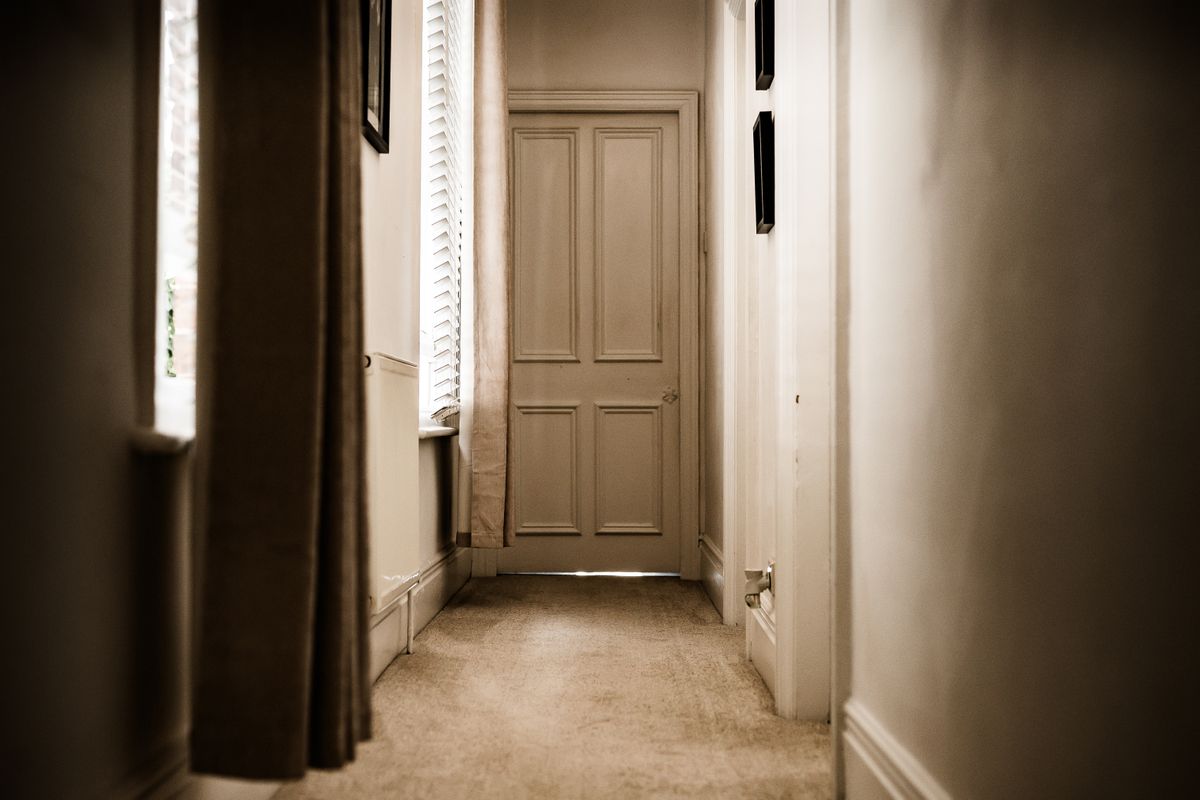
5. Warm Up the Light Before You Change Anything Else
Winter afternoons get dark early — by 4:30 PM in much of the northern USA, Canada, and the UK — and a single cold ceiling bulb makes a small entryway feel like a corridor. Swap the bulb for a warm-white LED (2700K) and add one low, warm light source at eye level or below: a small plug-in lamp on a console, a battery-operated puck light inside a basket shelf, or a string of warm fairy lights along a mirror frame. Budget roughly $10–$25 total, and keep the light warm, not bright white — warm light is what makes coats, wood, and wool look inviting rather than institutional. A timer plug, about $10, can switch the lamp on at dusk automatically so you never walk into a dark hall.

6. Corral Scarves, Gloves, and Hats in One Basket Per Person
Small winter accessories are the true clutter culprits: one glove here, a hat there, a scarf draped over a chair. Give each person a single basket or lidded box — roughly 10 by 12 inches — on a shelf, on the bench, or hung on a hook, and make it the only home for their winter accessories. When the basket is full, something has to go before anything new comes in. Woven baskets cost roughly $10–$20 each and look intentional, while lidded fabric boxes hide the inevitable tangle. Label them if the household shares the hall, and keep a small spare basket by the door for guests' gloves, so visitors are not balancing hats on top of your coats.
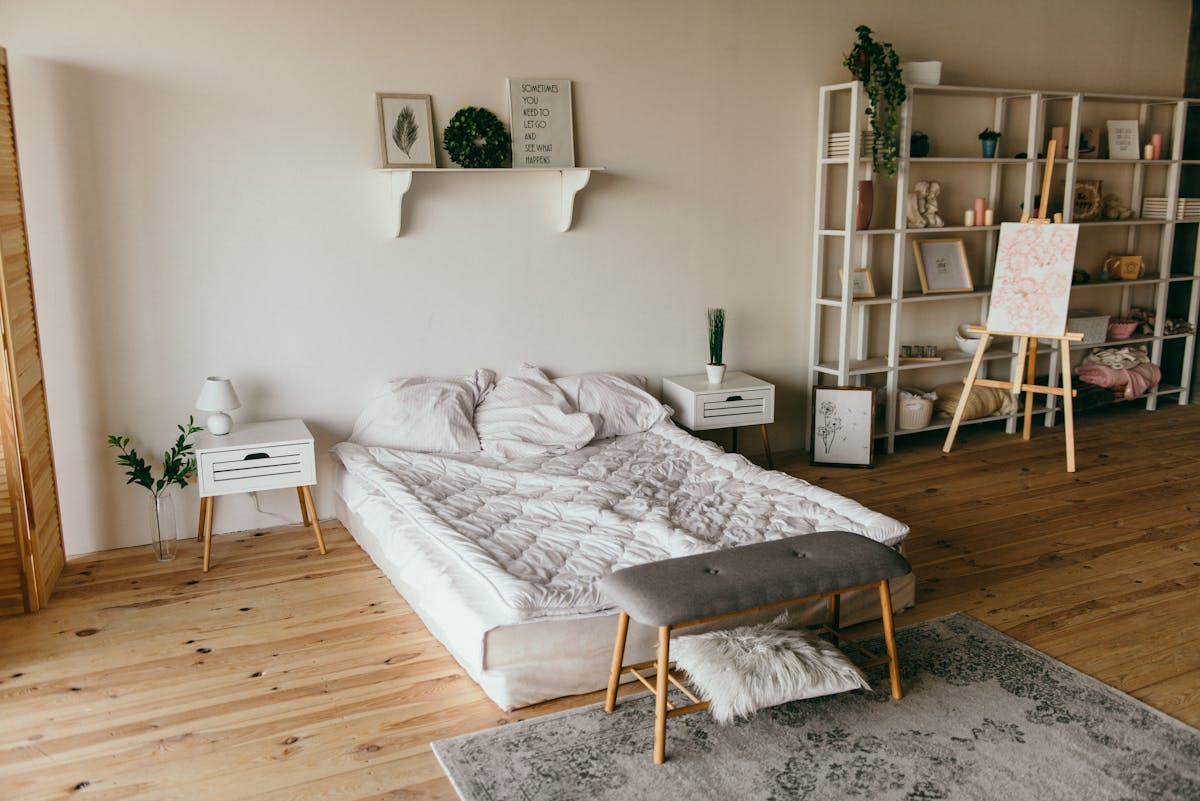
7. Lay a Washable Runner Over the High-Traffic Strip
The strip of floor between the door and the rest of the apartment takes all the salt, slush, and grit — and in a rental, it is the floor you will be charged for if it gets ruined. A low-pile, machine-washable runner, about 2 feet wide and 4 to 6 feet long, protects that strip and catches what the boot tray misses. Choose a dark or patterned runner so salt marks do not show between washes, and a rubber or non-slip backing so it never slides under wet boots. Budget roughly $20–$50, and wash it every two to three weeks through winter; a runner you can throw in the machine beats a beautiful rug you are afraid to step on. Avoid thick pile here — it traps slush and takes days to dry.
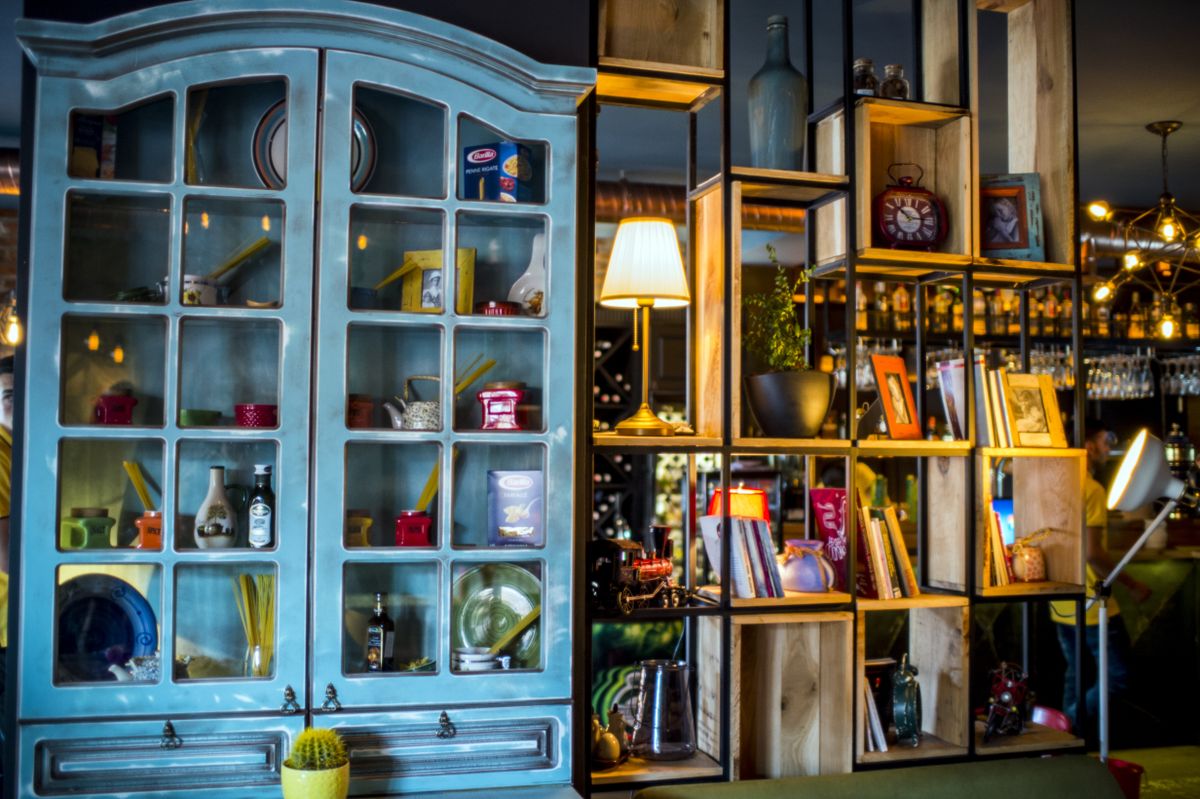
8. Hang a Mirror to Double the Light and Check Yourself Out
A mirror is winter entryway magic for two reasons: it bounces the warm light from idea 5 around the hall, and it gives you a last look — hat straight, scarf neat — before you face the cold. In a small hall, a tall mirror 48 to 60 inches high, leaned against the wall or hung with adhesive strips rated for its weight, makes the space feel twice as deep. Lean rather than drill if your lease forbids holes, and secure the top with a small adhesive bumper so it cannot slide. Keep the mirror opposite or beside the light source, not opposite the door, so it reflects light into the hall instead of glare back at you. Budget roughly $25–$60 for a simple full-length mirror.
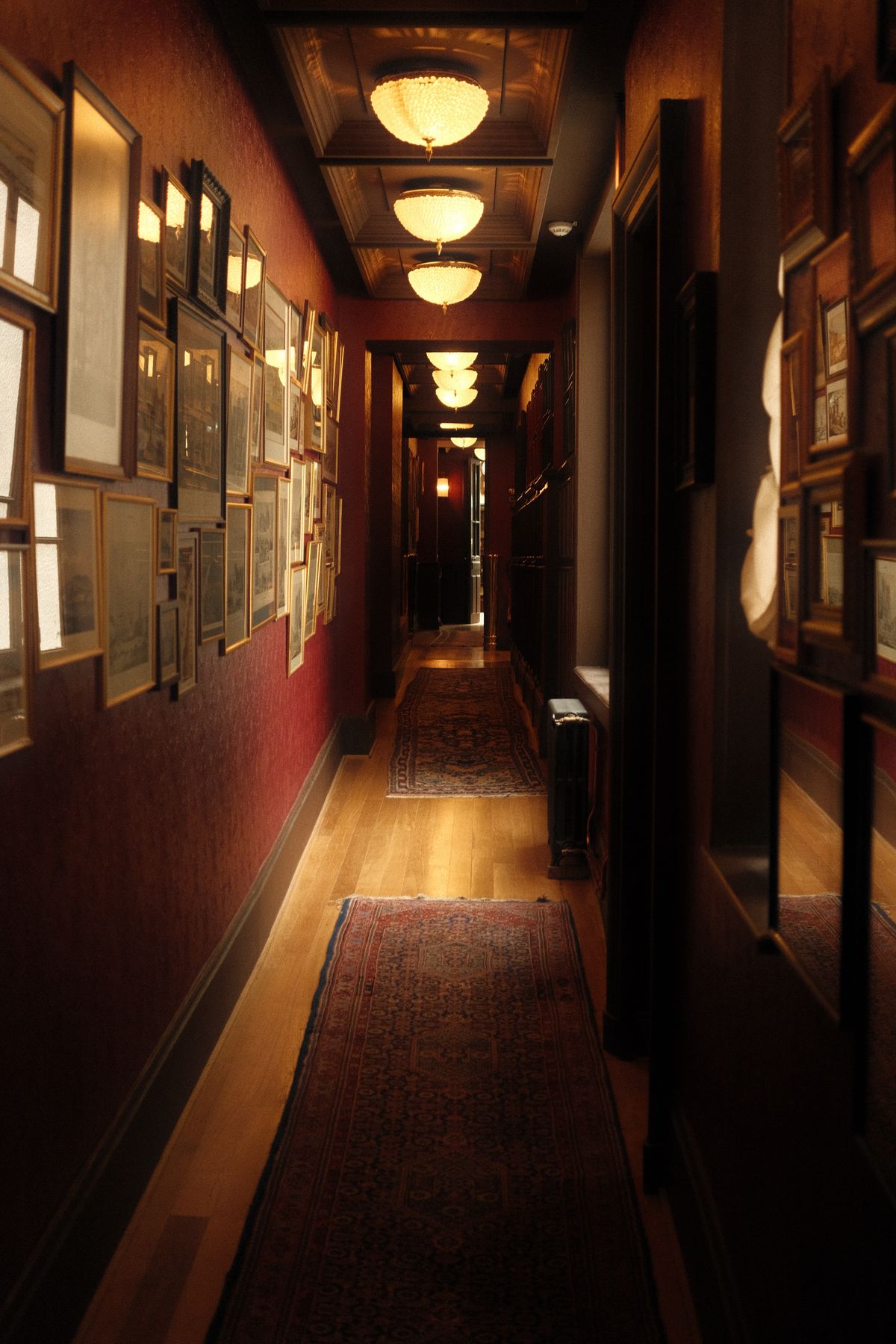
9. Create a Grab-and-Go Shelf for Keys, Mail, and Sunscreen
Winter mornings are slower — gloves, coat, bag, keys, and somehow you are still forgetting something. A single small shelf or tray at hand height (about 48 inches) near the door, just 8 to 10 inches deep, holds the daily carry: keys on a hook underneath, a small tray for mail, and a spot for lip balm and hand cream, which winter demands daily. The rule is ruthless: only things that leave the apartment every day live here. Everything else — spare batteries, old letters, that one random screw — goes elsewhere. A small floating shelf costs roughly $15–$30, or use a wall-mounted pocket organizer if drilling is off-limits. This one spot can cut the frantic morning search to zero.
10. Store Off-Season Shoes Up High, Keep Only Winter Pairs Down Low
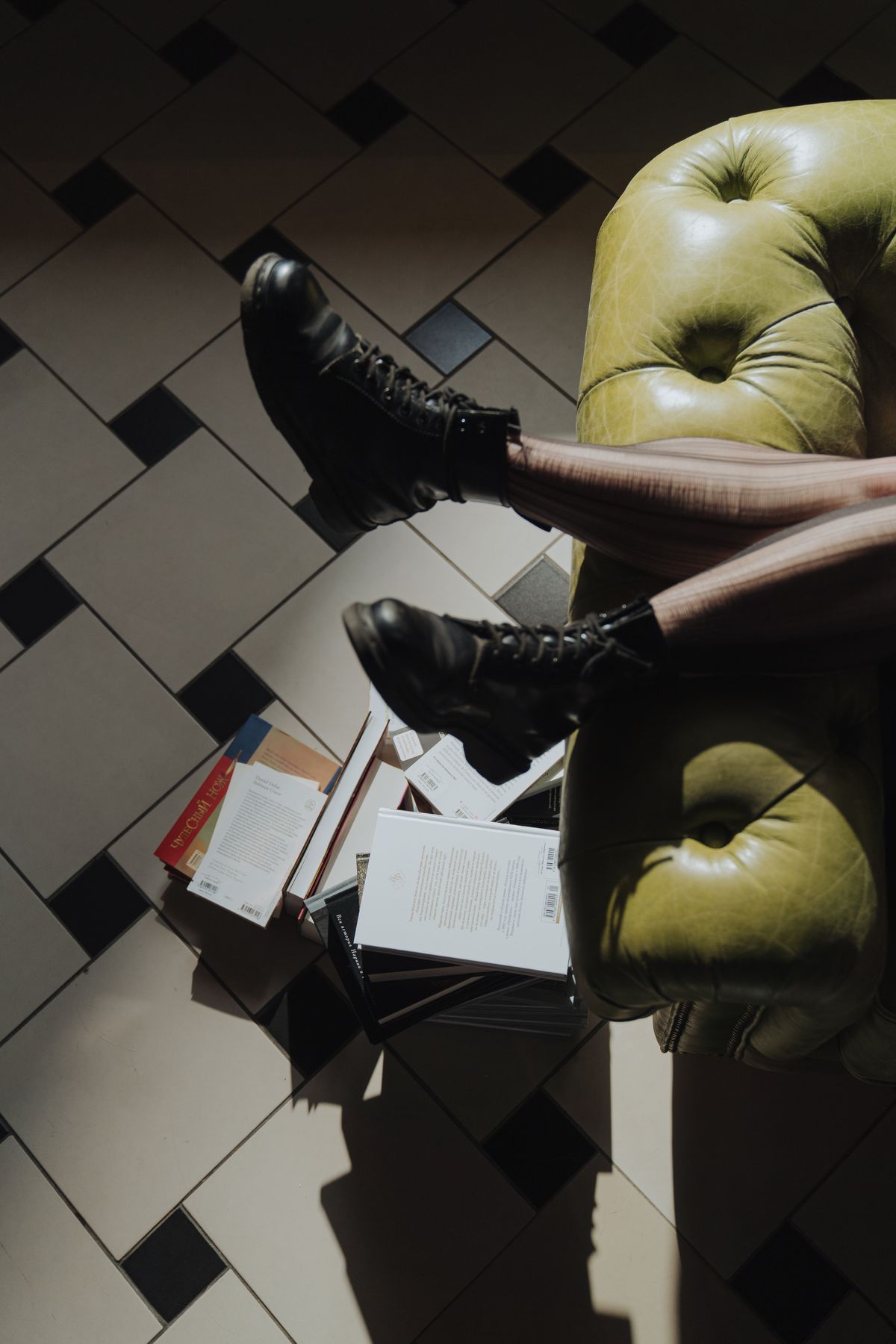
An entryway that stores every shoe you own all year is an entryway that stores nothing well. At the start of winter, move sandals, light sneakers, and summer shoes to the top of a closet or under the bed, and keep only the two or three pairs each person actually wears in winter at the door: daily boots, a second pair for rotation, and one pair of indoor shoes. Rotating boots matters — boots worn daily without drying time stay damp, smell, and wear out faster, so a second pair that dries for 24 hours between wears can double the life of both. A narrow shoe rack 10 inches deep fits the space under a bench or against the wall, and a boot shaper or rolled newspaper inside tall boots keeps them upright and drying evenly.
11. Add One Seasonal Touch — and Only One
A small entryway does not need a full holiday display to feel seasonal; it needs one deliberate touch. A wreath on the door, a small pine garland along the mirror, a candle-style lantern on the bench, or a bowl of pinecones on the shelf — pick one, in the same warm palette as your lighting, and let it carry the season. One touch reads as festive; five touches in a 3-foot hall read as clutter, and every extra item is one more thing to dust and dodge with a wet coat. Budget $0–$20: a foraged branch in a jar, a wreath from a discount store, or last year's garland reused all work. Swap the single touch when the season turns, and the entryway feels fresh all winter without a single extra storage box.
12. End the Week With a Five-Minute Winter Reset
Winter entryways drift back to chaos faster than any other room, because every arrival adds wet, salty, bulky things. A five-minute weekly reset keeps the system working: empty and wipe the boot tray, shake out the runner outside, return stray gloves to their baskets, wipe salt marks off the floor and hooks, and check the door sweep is still snug. Do it on the same day each week — Sunday evening works well, before the work week — and pair it with putting the next day's coats and bags by the door. The reset is also when you spot problems early: a hook pulling loose, a tray cracking, a draft returning around the door. Five minutes weekly beats an hour-long rescue in February, when the salt has already stained the floor.
Before you buy anything, measure first: the width of your hall at its narrowest point, the clearance you need to open the door fully, and the space under any bench or shelf before ordering a boot tray or shoe rack. Keep at least 30 inches of clear walkway at all times, choose renter-friendly fixings (adhesive hooks, tension rods, lean-to mirrors) wherever drilling is restricted, and keep anything electrical — lamps, fairy lights, timer plugs — away from wet boots and dripping coats. Start with the boot tray, the hooks, and the warm bulb: those three moves alone transform a winter entryway, and everything else in this guide builds on them.
Final Thoughts
Start with the boot tray, one hook per person, and a warm bulb — those three changes alone will make your entryway feel calmer the first snowy evening you come home. Then add the draft-proofing and the washable runner, and finish with the weekly five-minute reset that keeps it all working until spring. For more small-space entry ideas, see our guides on small apartment mudroom drop zone ideas and small apartment shoe storage ideas. If you only do one thing this weekend, put a proper boot tray inside the door and move every off-season shoe out of the hall — you will feel the difference the next time you walk in with snow on your boots.



0 Comments