
13 Small Apartment Gallery Wall Ideas for Tiny Walls
A gallery wall is the fastest way to make a tiny apartment feel like a home instead of a rental — but tiny walls punish the usual advice. You cannot hang forty frames on a wall that is barely wider than a door, and a wall full of holes is a deposit risk in a rental. The good news is that a gallery wall for a small space is not a smaller version of a big one; it is a different animal. It uses ledges instead of nails, one strong row instead of a grid, and the weird walls everyone ignores — above doors, along hallways, beside the bed. These 13 ideas show how to get the gallery look on whatever wall you actually have, without losing your deposit.
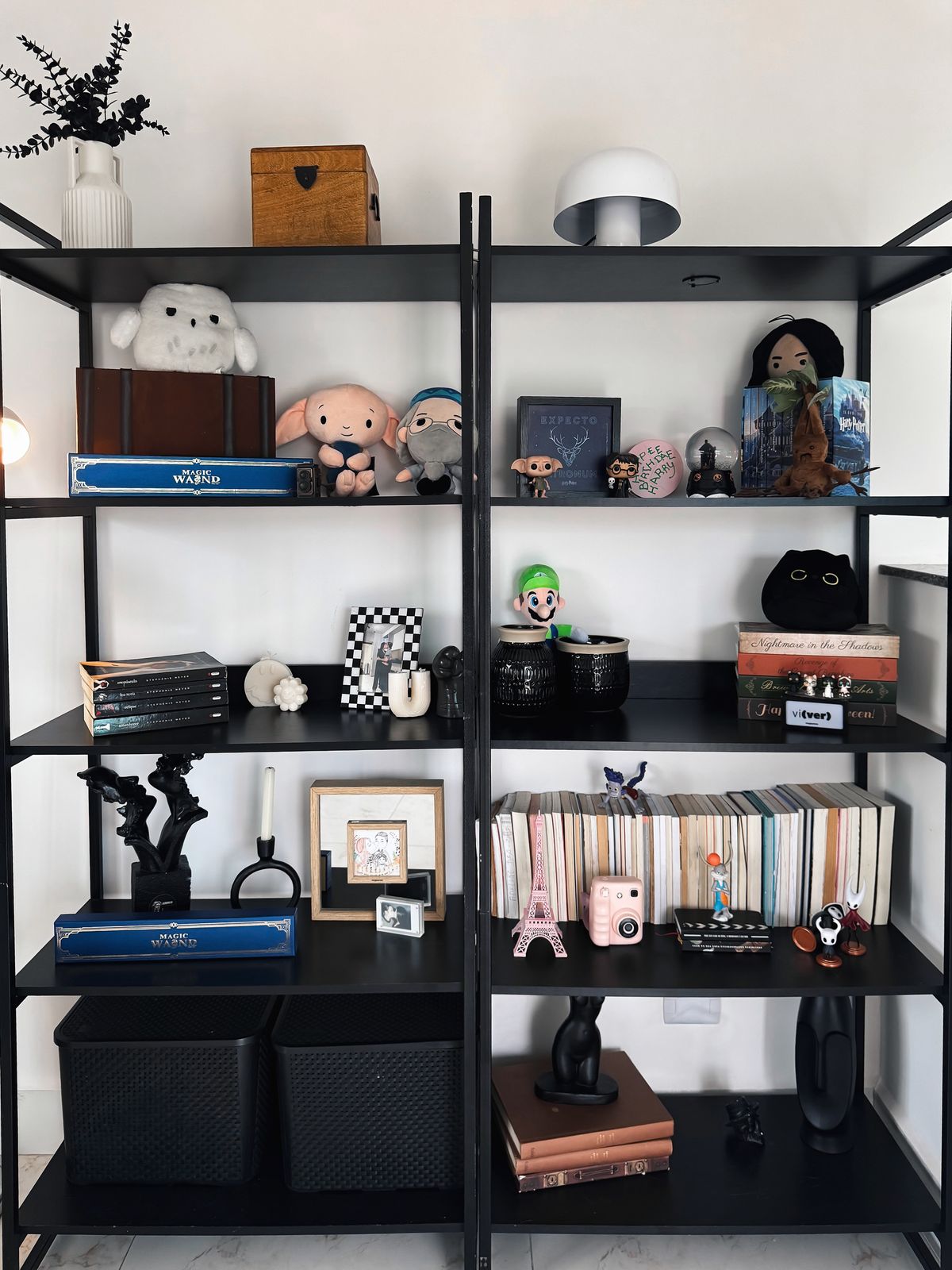
1. Start With a Picture Ledge, Not a Hammer
A picture ledge is a gallery wall with a undo button. One or two slim shelves, mounted with a few screws, hold frames leaning against the wall — you can rearrange them in seconds, swap art seasonally, and layer small frames in front of large ones for depth. In a rental, a ledge means two screw holes instead of twenty, and when you move, the ledge comes with you. Layer a tall print at the back, a medium frame in front, and a tiny object — a vase, a candle — at the end so the ledge reads as styled, not stored.
2. Hang One Strong Row at Eye Level
On a tiny wall, one horizontal row of three or four frames at eye level beats a sprawling grid every time. The row reads as intentional, it leaves breathing room above and below, and it does not visually shrink the wall the way a floor-to-ceiling arrangement does. Keep the frames the same size and spacing for a calm look, or mix sizes within the row for energy — but keep the row's centre line consistent so the eye travels smoothly. This is the best gallery wall for the wall beside a bed, behind a desk, or in a hallway too narrow for anything grand.
3. Use a Grid of Small Frames for a Big Impact
Small frames in a tight, even grid look expensive and deliberate, and they fit walls that cannot take anything large. Nine 15 cm frames in a 3×3 grid cover less than a metre square but read as a major feature, especially in matching frames with a consistent mat colour. The trick is precision: use a paper template on the wall first, or a hanging strip system, so the grid is actually even — a wonky grid looks accidental, a straight one looks curated. Black-and-white photos in a grid are the safest choice; colour works too if you keep one colour family.
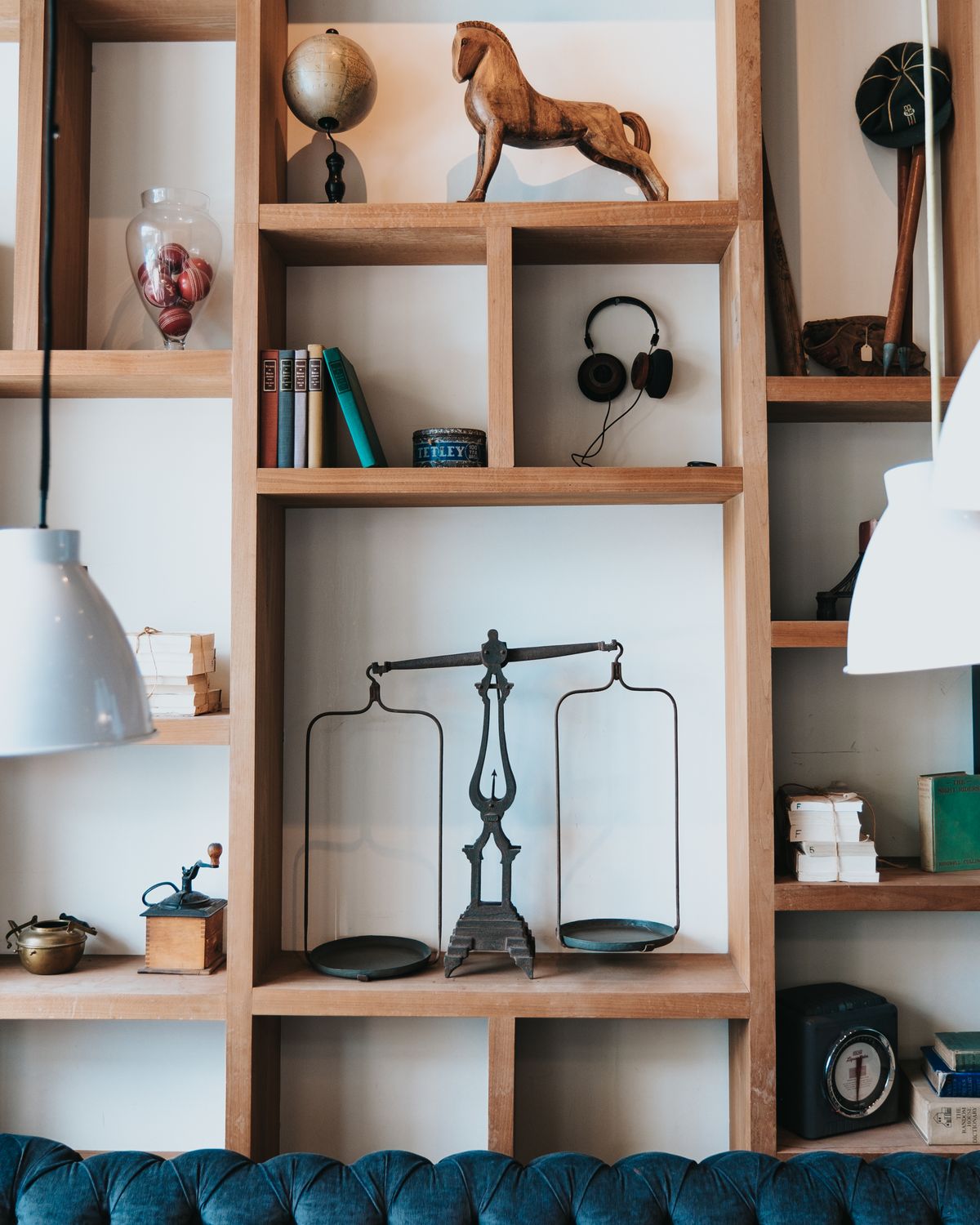
4. Claim the Wall Above the Sofa — But Keep It Tight
The wall above the sofa is the classic gallery spot, and in a small flat it still works if you respect the sofa's width: the arrangement should span about two-thirds of the sofa, never wider, and hang 15–20 cm above the back cushions. A single large piece flanked by two small ones is easier to balance than a dozen small frames, and it leaves the room feeling calm rather than busy. If you rent, adhesive strips rated for the frame weight avoid holes entirely — just check the weight rating honestly, because a fallen frame at 2 a.m. is nobody's idea of decor.
5. Turn the Hallway Into a Gallery Corridor
Hallways are the most wasted gallery space in small flats: narrow, passed through a dozen times a day, and usually bare. A single row of frames at eye level down one side turns a corridor into a gallery you actually walk through, and because you see it up close, small prints and personal photos work better here than large art. Keep frames slim and glass-free if the hallway is very tight, so nobody brushes a frame off the wall. For more hallway ideas that make a tight corridor feel designed, see our narrow hallway decor ideas, which pair perfectly with a hallway gallery.
6. Try Clip Frames and Washi Tape for Zero Damage
If your lease forbids even a nail, clip frames and washi tape are your gallery wall. Clip frames are glass-and-board sandwiches that hang from a single tiny hook or strip, and washi tape borders turn bare prints into finished-looking pieces with no frame at all. Tape is also the best tool for testing a layout: tape prints to the wall, live with them for a week, then commit to the arrangement you still love. The washi look is deliberately casual, so it suits kids' art, travel photos, and changing seasonal prints better than formal art.
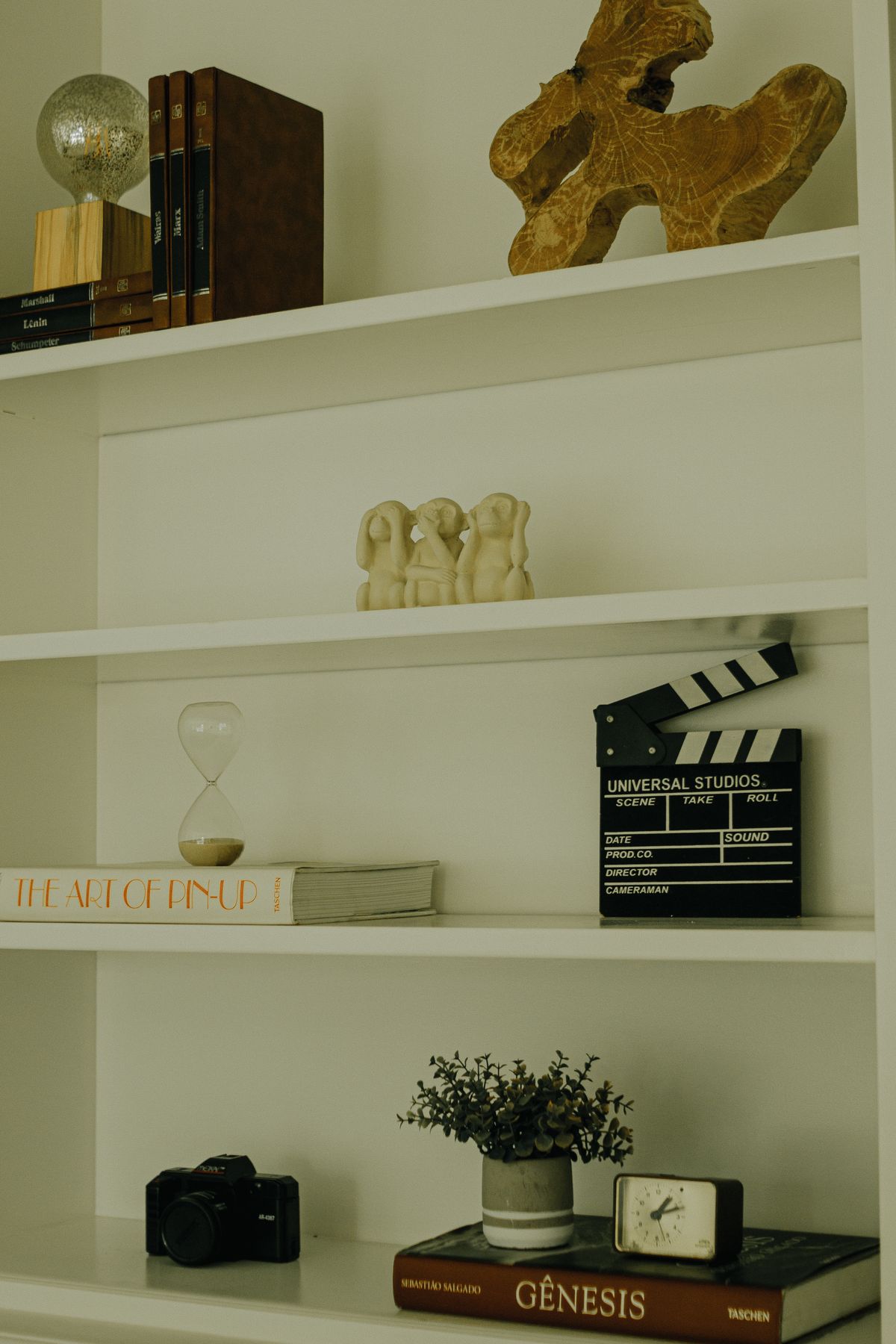
7. Mix Art With Shelves for a Gallery That Holds Things
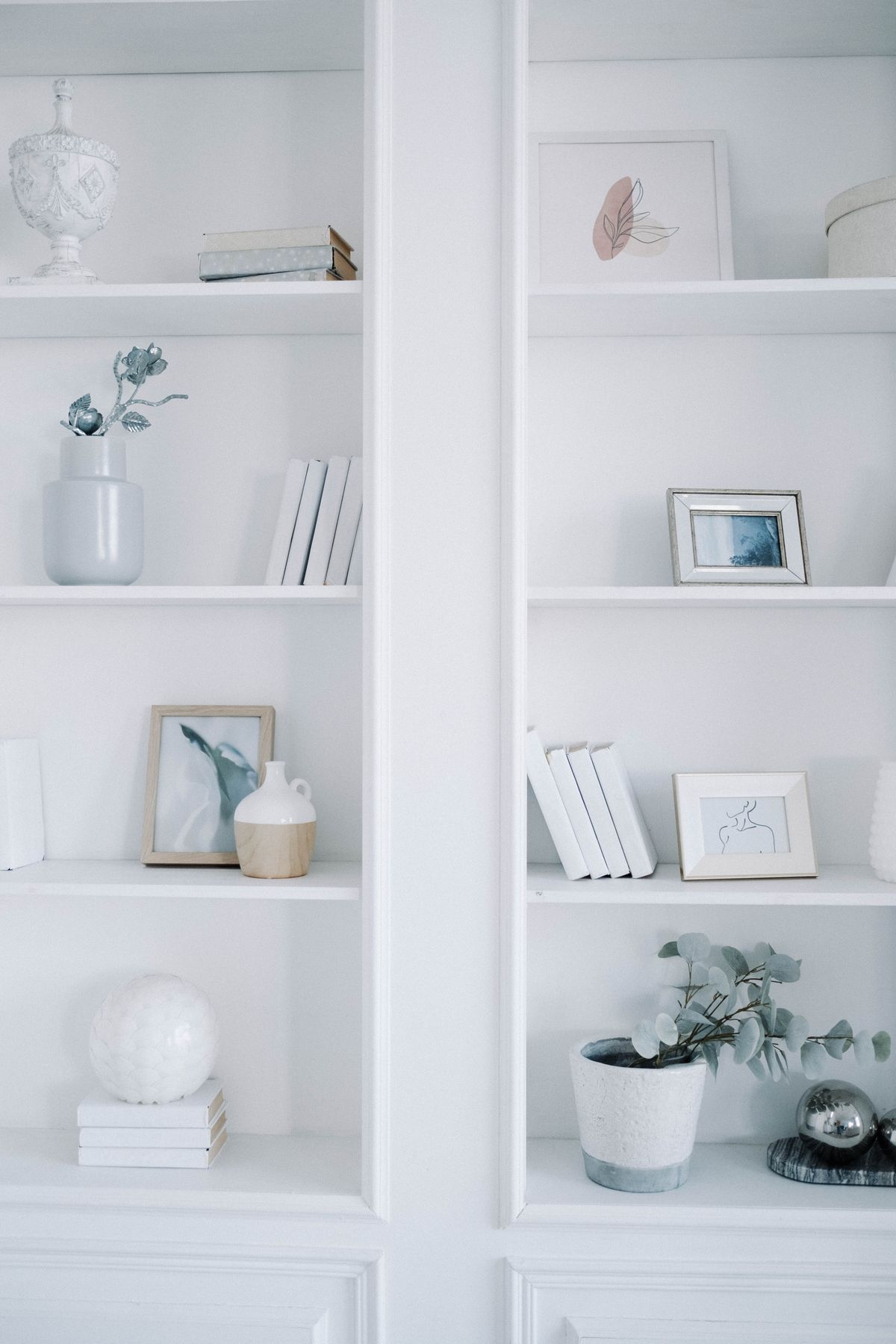
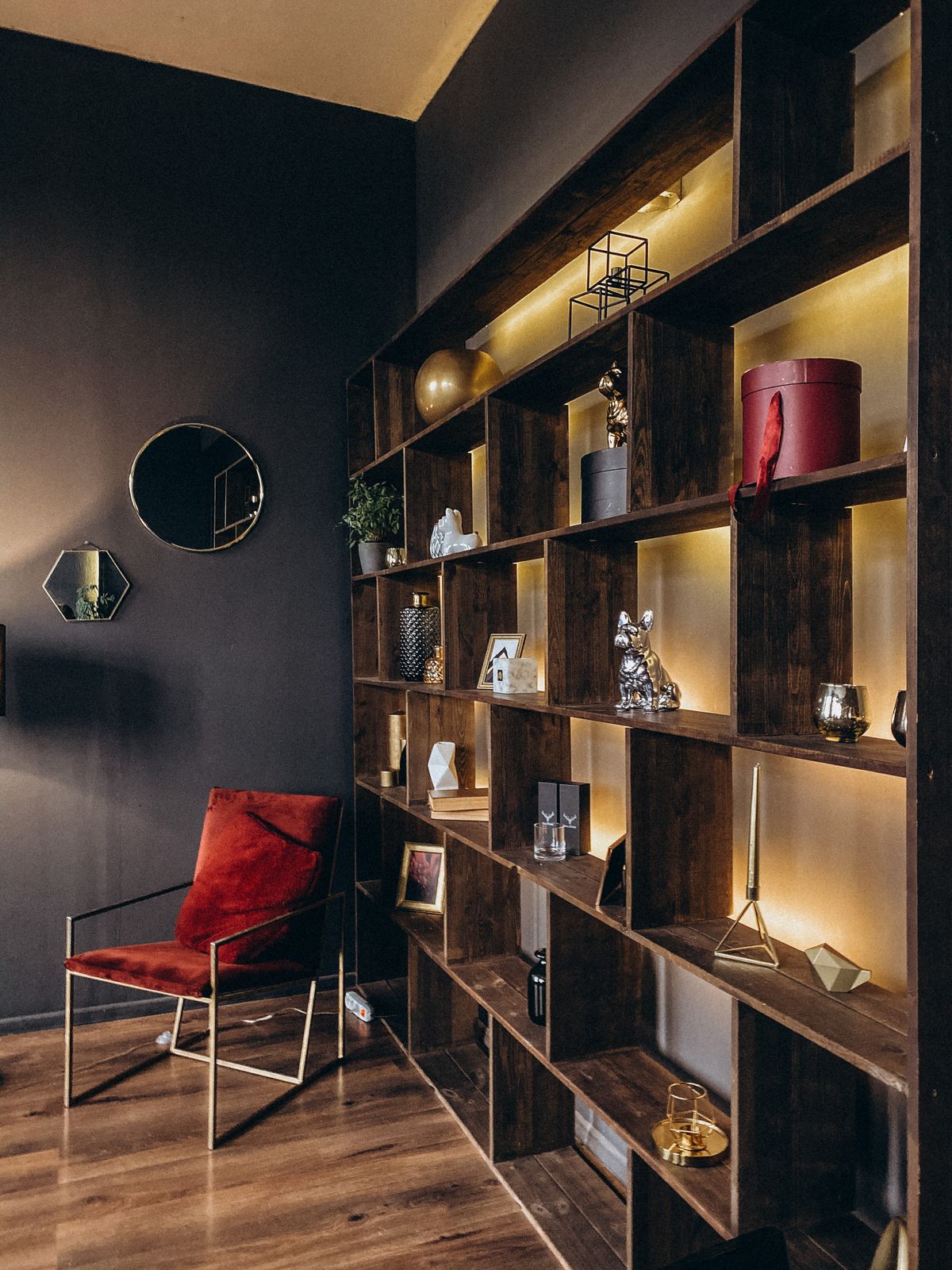
A gallery wall that includes one or two small shelves earns its keep: the shelves hold plants, candles, and books, while the frames around them provide the art. This mixed approach suits tiny flats because every centimetre must work twice — display and storage in one arrangement. Keep the shelf styling minimal (three objects maximum per shelf) so the art still leads, and align the shelves with the frames' grid lines so the whole wall reads as one composition rather than art plus random shelves.
8. Build the Gallery Around One Colour or Theme
When wall space is small, unity matters more than variety. A gallery of prints that share one colour — all muted greens, all black-and-white, all warm terracotta — looks coherent even when the frames and subjects differ. The same goes for a theme: all travel photos, all botanical prints, all family black-and-whites. The theme does the work that size cannot, and it makes future additions easy: if a new print fits the colour or theme, it fits the wall. If it does not, it belongs somewhere else, and that discipline keeps a small gallery from turning into clutter.
9. Use the Wall Above a Door or a Bed
The strip of wall above a doorframe or above a bed's headboard is gallery space hiding in plain sight. Above a door, a row of three small frames uses space nobody looks at but everybody passes; above a bed, a wide, low arrangement anchors the bed like a headboard and costs nothing in floor space. Both spots suit lightweight frames on adhesive strips, which matters because these are exactly the walls landlords notice. Keep the arrangement shallow — no deep frames that jut out over a doorway — and the effect is a finished room for the price of three prints.
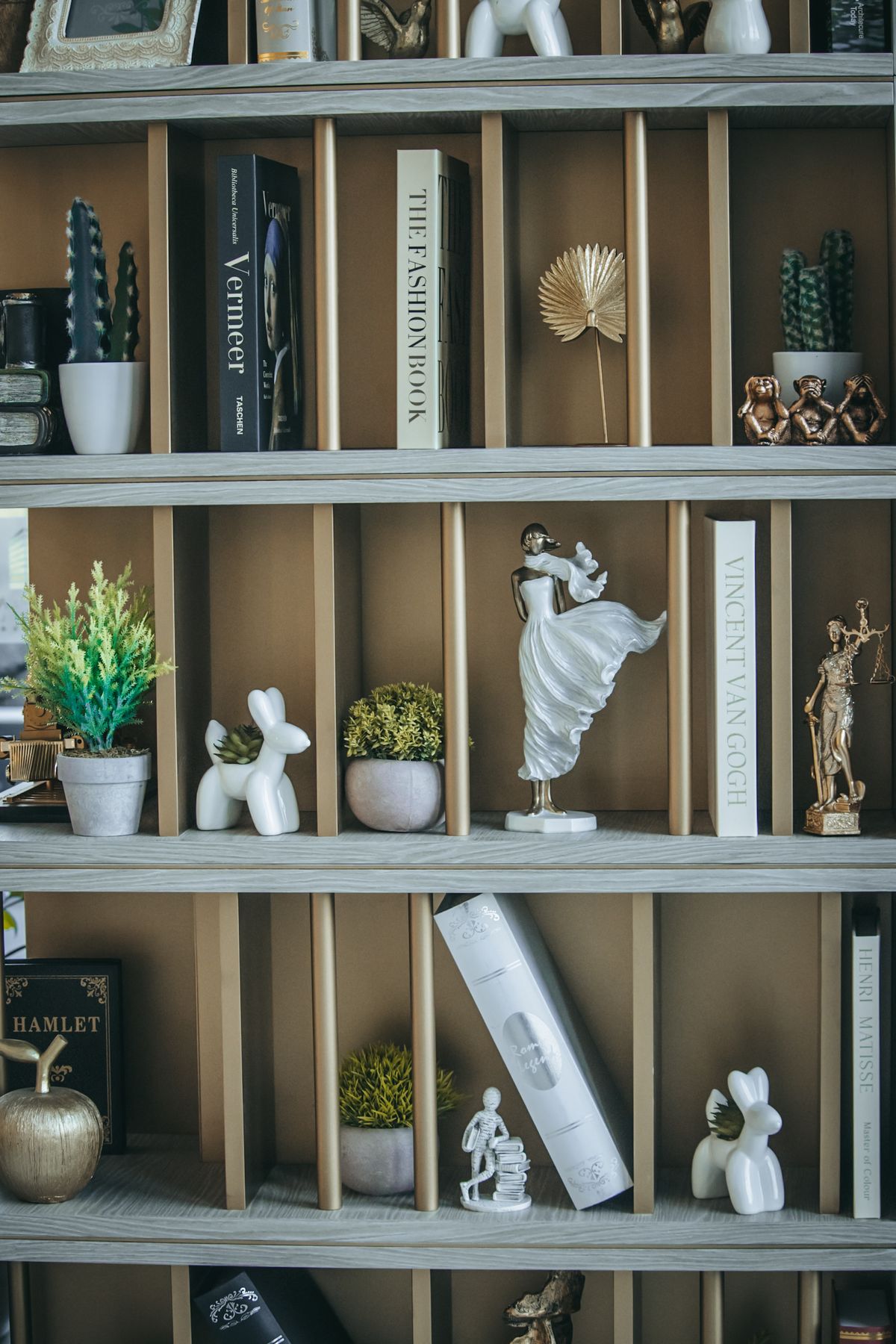
10. Let Kids' Art Be the Gallery
A rotating kids'-art gallery is the most joyful gallery wall a small flat can have, and it solves the "what do I hang" problem for free. Clip frames or a wire with clips along one wall let you swap art weekly without new holes, and children who see their work framed take visible pride in it. Keep the display to one defined area — a row in the hallway, a ledge in the living room — so it reads as a gallery rather than art creeping across every surface. For more ideas on giving kids a defined creative spot in a tiny flat, see our small kids' corner ideas, which include display ideas that grow with the child.
11. Frame Fabric, Postcards, and Other Flat Treasures
A gallery wall does not have to be art prints. A beautiful tea towel, a vintage scarf, a set of postcards from one trip, or a page from an old book — framed simply — makes a gallery that is personal in a way a shop-bought print never is. Fabric in a frame is especially good for tiny walls because it brings colour and texture without visual weight, and postcards let you build a gallery for the price of postage. Use the same frame style across these mixed pieces so the variety of contents still looks like one wall.
12. Keep One Wall Empty on Purpose
The bravest small-space gallery decision is restraint: one gallery wall per room, maximum, and one wall left deliberately bare. A bare wall gives the eye somewhere to rest, makes the room feel bigger, and makes the gallery wall itself look like a choice rather than a habit. If you have art left over, rotate it — swap two or three pieces seasonally instead of adding more frames. A gallery wall that changes feels alive; a gallery wall that only grows feels like storage.

13. Photograph the Layout Before You Hang Anything
Before a single nail goes in, lay the frames on the floor in the arrangement, photograph it from above, and tape paper templates to the wall in the same layout. Live with the paper for a day or two — walk past it, sit across from it, check it in evening light. This dry run catches every mistake: frames too high, spacing too wide, a wall that actually needed a ledge instead. In a rental, where every hole is a negotiation, the paper template is the difference between a gallery wall you love and a wall of patched holes you regret.
Conclusion: Small Walls, Strong Choices
A gallery wall in a tiny apartment works when you choose one wall, one system — ledge, row, or grid — and one unifying colour or theme, then stop. Start with the ledge if you rent, the hallway if you have one, or the row above the sofa if you want the classic look. Photograph the layout, live with the paper templates, and hang only what you still love after a day. Your tiny walls cannot hold everything, and that is the point: a gallery wall that shows restraint looks curated, and a curated wall makes the whole flat feel considered.



1 Comments
Good Ideas
ReplyDelete