
A small living room rarely suffers from a lack of furniture — it suffers from a lack of light. One harsh ceiling fixture flattens everything, throws hard shadows into the corners, and makes a modest space feel even smaller. The fix is not a bigger room — it is a smarter lighting plan that layers light at different heights and bounces brightness around the space.
The fourteen ideas below all work on the same principle: light should come from several gentle sources, not one glaring one. Most cost little, many are renter-friendly, and together they can make a tiny living room feel open and calm. Start with the free rearrangements, then add the pieces that suit your budget.
1. Layer Three Kinds of Light, Not Just One
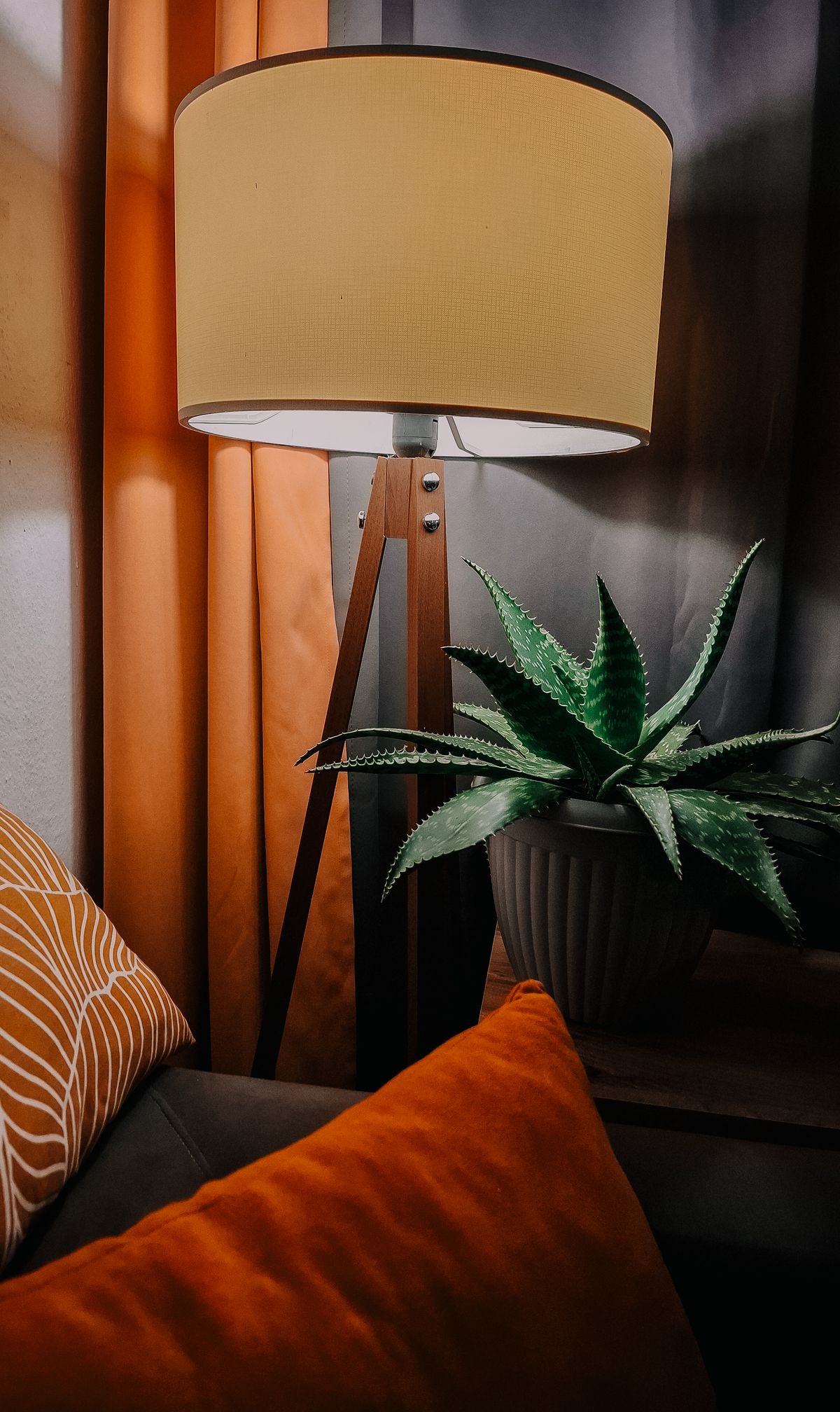
The single most effective lighting trick for a small living room is layering: ambient light for general brightness, task light for reading or working, and accent light for warmth and depth. A ceiling light alone creates one flat pool of brightness with dark edges; three sources at different heights fill the room evenly and erase the shadowy corners that make a space feel cramped.
Start with what you already own: a ceiling fixture for ambient light, a floor or table lamp for tasks, and a small accent lamp for the final glow. The goal is not more brightness overall — it is brightness spread evenly, so the eye travels across the whole room.
2. Swap Harsh White Bulbs for Warm Ones
Bulb color changes a room more than almost any other single switch. Cool, daylight-white bulbs (5000K and above) can make a small living room feel clinical, while warm white bulbs around 2700K cast the soft, golden glow of a cozy home.
Replace bulbs one fixture at a time and check the effect at night, when artificial light does all the work. Warm bulbs also flatter wood tones and textiles, so the whole room feels better. Keep the color temperature consistent — mixing warm and cool bulbs in one small room looks accidentally mismatched.
3. Put a Floor Lamp in the Darkest Corner
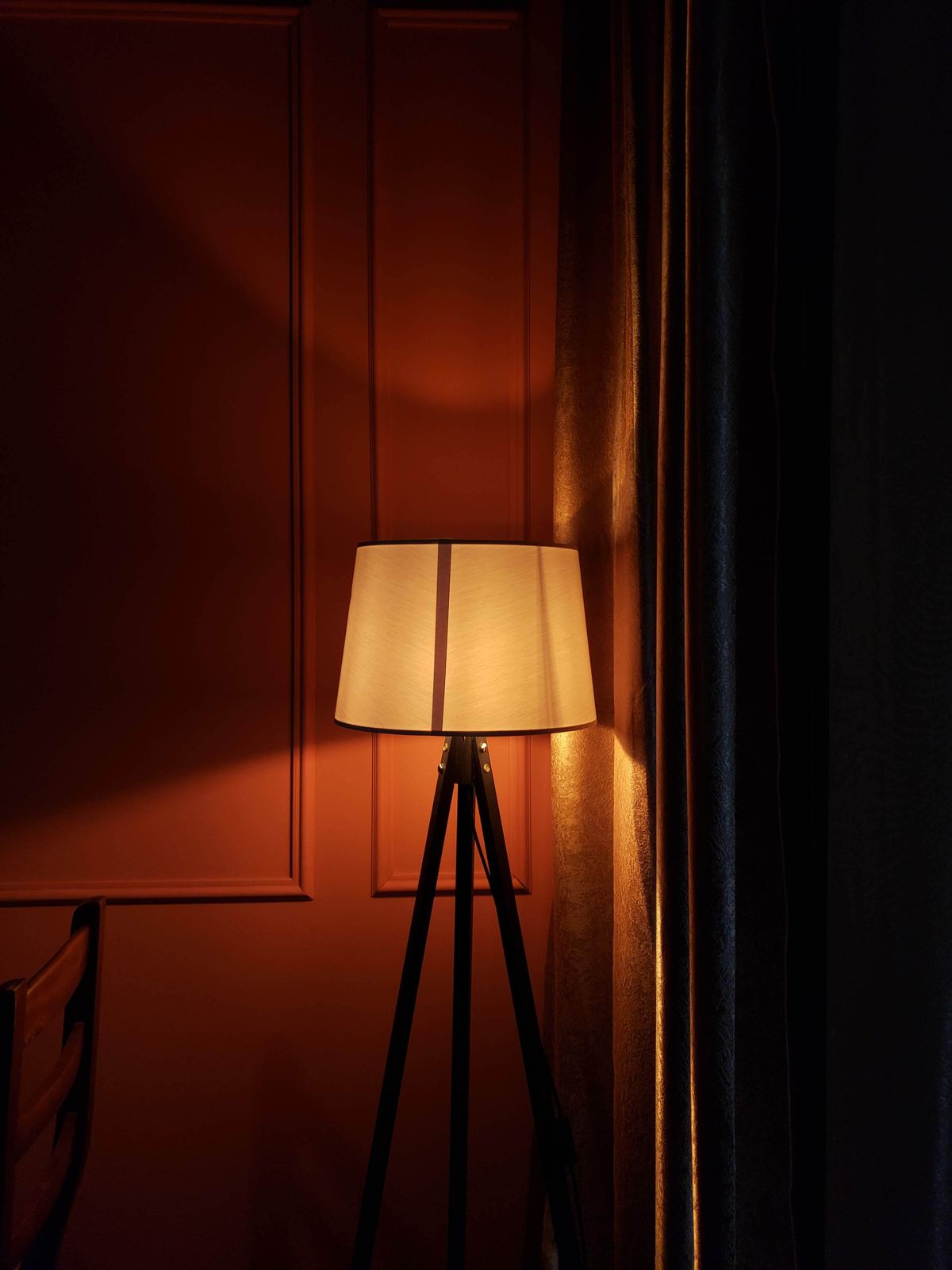
Every small living room has a dead corner — the one farthest from the window, where evening light never quite reaches. A tall floor lamp placed there does double duty: it fills the dark spot and draws the eye outward, which makes the room's footprint feel larger. An arc or torchiere style that throws light upward is especially effective.
Choose a slim profile so the lamp itself does not eat floor space; a narrow base tucked behind a chair or beside the sofa works in even the tightest layout. Add a dimmer to tune the glow from bright reading light to soft evening ambience.
4. Light the Walls, Not Just the Middle of the Room
Pointing light at the walls is the fastest way to make a small room feel wider. Wall washers, picture lights, or a lamp aimed at a pale wall spread light across a broad surface, and the reflected glow makes the wall seem to recede. A single downward ceiling light, by contrast, leaves walls in shadow and visually shrinks the room.
If you cannot install wall fixtures, aim a torchiere or an uplight at the nearest wall, or place a table lamp close to a wall so its halo spills sideways. The room gains apparent width without moving a single piece of furniture.
5. Hang a Pendant Low Over a Side Table or Reading Nook
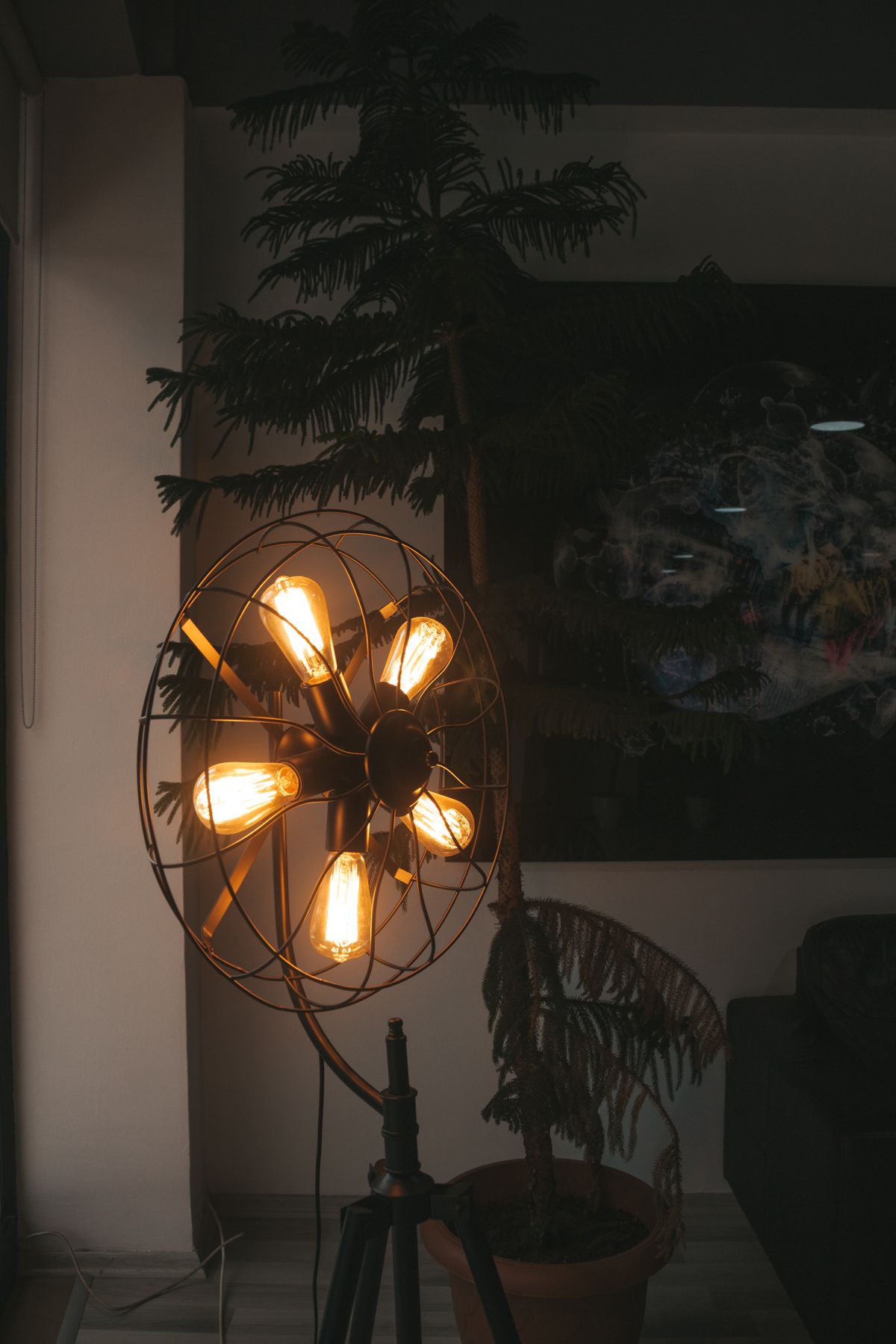
A pendant light hung low over a side table or reading chair creates a defined zone inside a small room — and zones are what stop a tiny living room from feeling like one undifferentiated box. The pool of light marks out a destination, giving the room structure that makes it feel designed rather than cramped.
Hang it so the shade's bottom sits roughly at eye level when seated, and use a warm bulb with a dimmer. A single small pendant is enough — an oversized fixture will dominate a small room — so keep the shade compact and the cord tidy.
6. Use Mirrors to Double Your Light for Free
A mirror opposite or beside a lamp does what no extra fixture can: it doubles the light you already have. Place a large mirror across from a floor lamp or window and it reflects both the source and the room, creating an illusion of depth.
Lean a full-length mirror against the wall if hanging is not an option, and keep the glass clean — a dusty mirror scatters light instead of reflecting it. Even a cluster of smaller mirrors near a light source adds sparkle. This is the cheapest square-footage illusion in interior design, and it works day and night.
7. Add Dimmer Switches Everywhere You Can
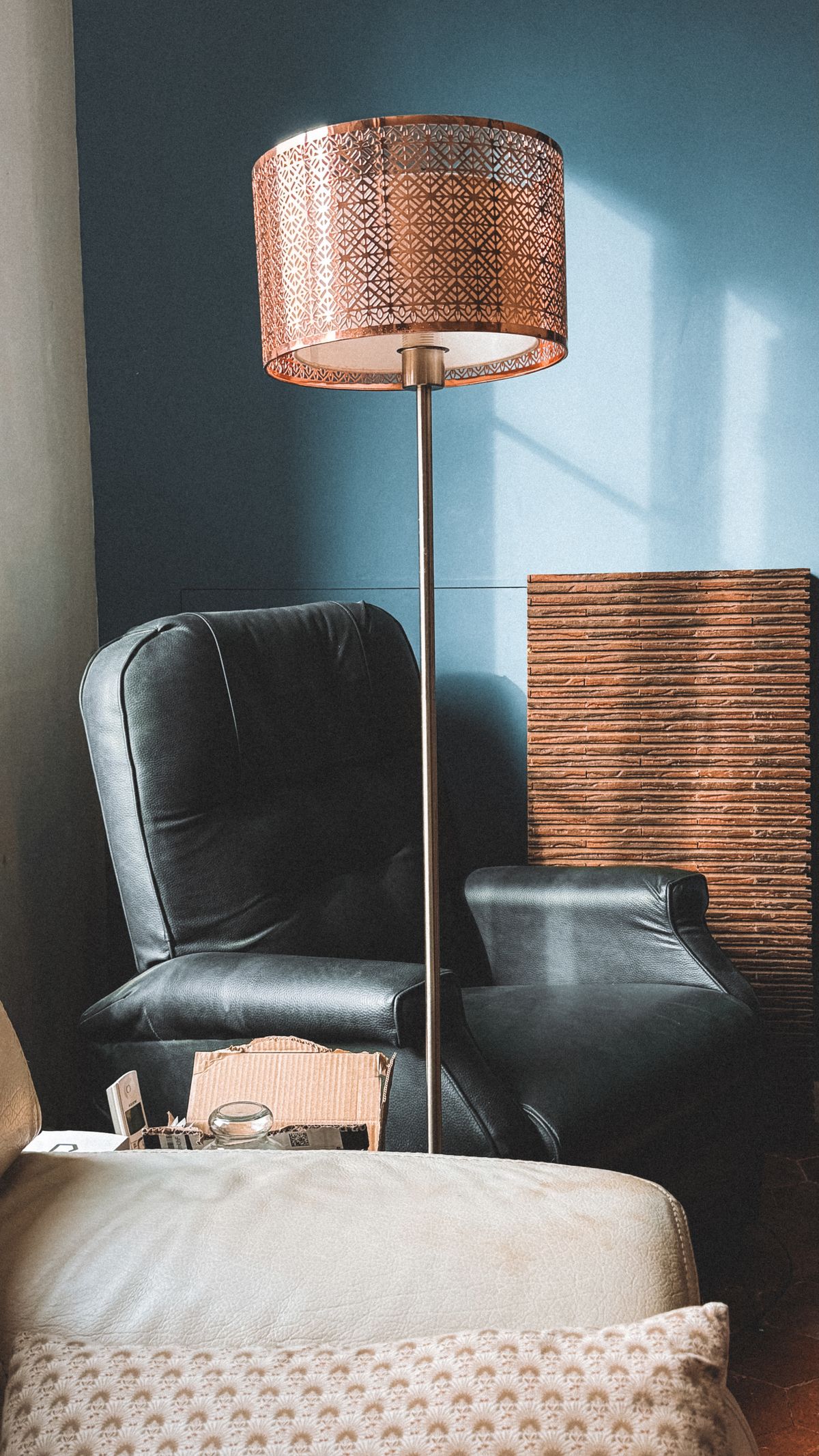
A dimmer adapts the room to the moment — bright for cleaning, medium for conversation, low for movie night — instead of locking it into one harsh setting.
Start with the fixture you use most, usually the main ceiling light or floor lamp. Once you can dim it, you will use it far more often — harsh full brightness is why many people leave their main light off and sit in the dark. A dimmer turns an unused fixture into the room's workhorse.
8. Use Table Lamps at Sofa Height for Evening Glow
Overhead lighting is the enemy of a cozy evening; lamps at sofa height are its best friend. A pair of table lamps flanking the sofa — or even one on a side table — puts warm light exactly where people sit, creating an intimate circle of glow while the rest of the room fades softly.
Match the lamp height to your sofa arms so light falls over shoulders, not into eyes, and choose shades that diffuse rather than direct it. Fabric shades in cream or linen soften the glow beautifully. If space is tight, a slim console table behind the sofa holds a lamp without using any floor area.

9. Run LED Strips Behind Furniture and Shelves
Hidden LED strips are a small room's secret weapon: a strip behind the sofa, under a floating shelf, or along the back of a TV console produces a soft halo that makes furniture appear to float and walls seem farther away.
Warm-white strips (2700K–3000K) suit living rooms best, and adhesive-backed reels install in minutes with no tools. Use them sparingly — one or two runs are elegant, while strips everywhere look like a gadget display.
10. Keep Window Light Working With Sheer Curtains
Daylight is the best light a small living room can get, and heavy curtains waste it. Sheer or light-filtering curtains let sunshine pour in while still giving privacy, and they diffuse the light so it spreads evenly instead of glaring through bare glass.
Hang the rod high and wide — near the ceiling and beyond the frame — so the sheers frame the full window and make it look larger. At night, layer a heavier drape over them for darkness and privacy. The window stays the room's biggest light source instead of its biggest black hole.
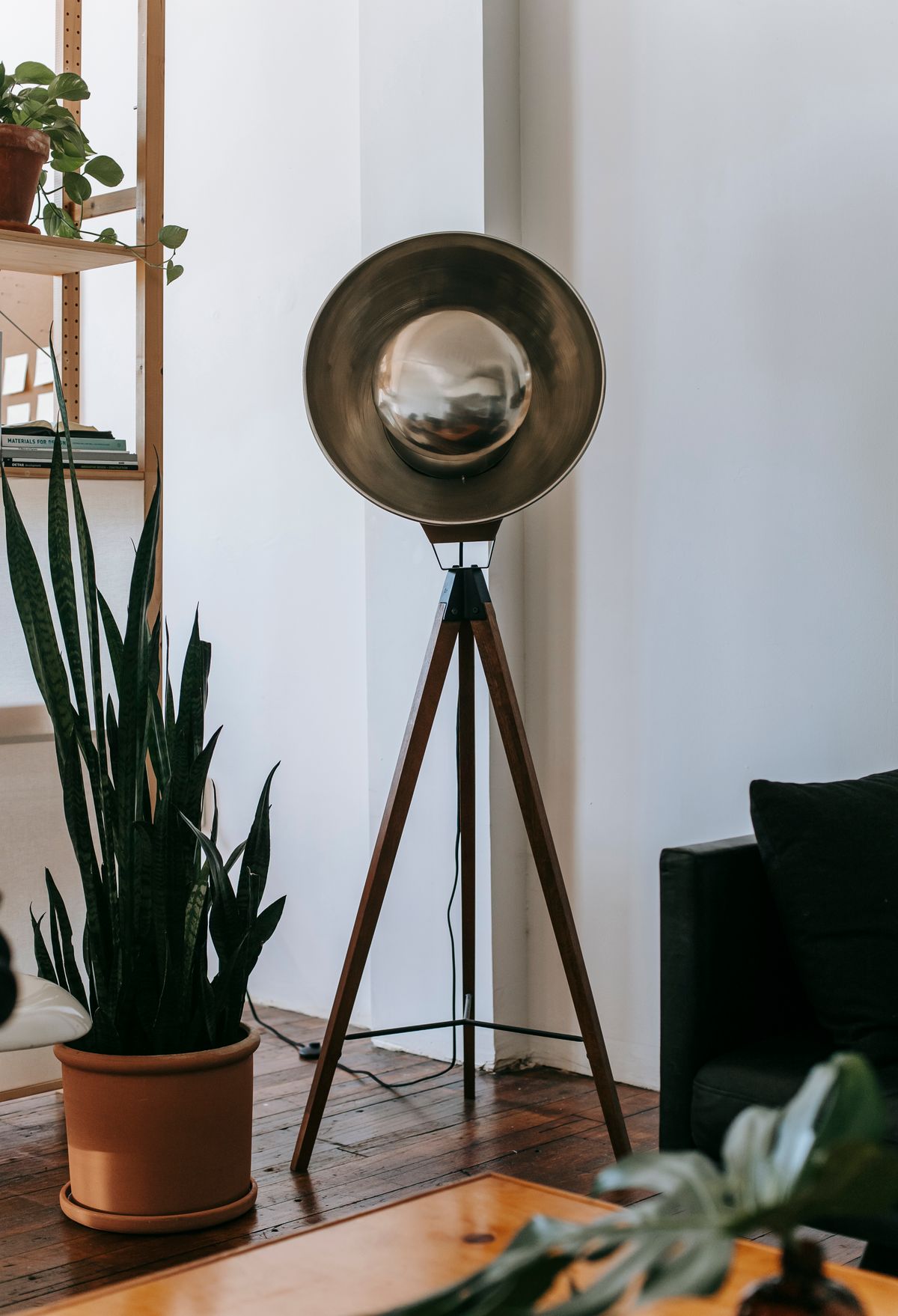
11. Choose a Statement Pendant That Draws the Eye Up
In a small room, the ceiling is underused real estate. A well-chosen pendant — even a modest one — draws the eye upward, which makes the ceiling feel higher and the room feel taller. Keep the scale compact — a wire frame, a small drum, or a cluster of tiny globes adds vertical interest without looming.
Hang it over the coffee table or the center of the seating area, not a walkway, and keep the drop modest in a low-ceilinged room. The pendant becomes the room's jewelry — a focal point that distracts from its size entirely. Pair it with a dimmer so it glows softly in the evening rather than blazing.
12. Light the Bookshelf or Display Shelves
A lit shelf is a lit wall, and a lit wall makes a room feel bigger. Small clip-on shelf lights, battery puck lights, or a short LED strip turn a bookshelf or display ledge into a glowing feature that adds depth and warmth.
Light only the shelves you want to feature — two or three is plenty — and keep the color warm. Battery-operated options mean no wiring and no visible cords, which matters where every cord shows. The room gains a focal point and a layer of light in one move.
13. Skip the Single Harsh Ceiling Light Entirely
Here is a liberating option: you do not have to use the ceiling light at all. Many small living rooms look dramatically better lit only by lamps — two floor lamps and a table lamp, for example — because lamp light sits at human height and creates pools of warmth.
Try it for one evening: leave the ceiling fixture off and switch on every lamp you own. If the room feels warmer and larger, make it permanent, keeping the ceiling light on a dimmer for cleaning. The absence of one harsh source is often the biggest improvement of all.
14. End With Candles and Fairy Lights for the Final Layer
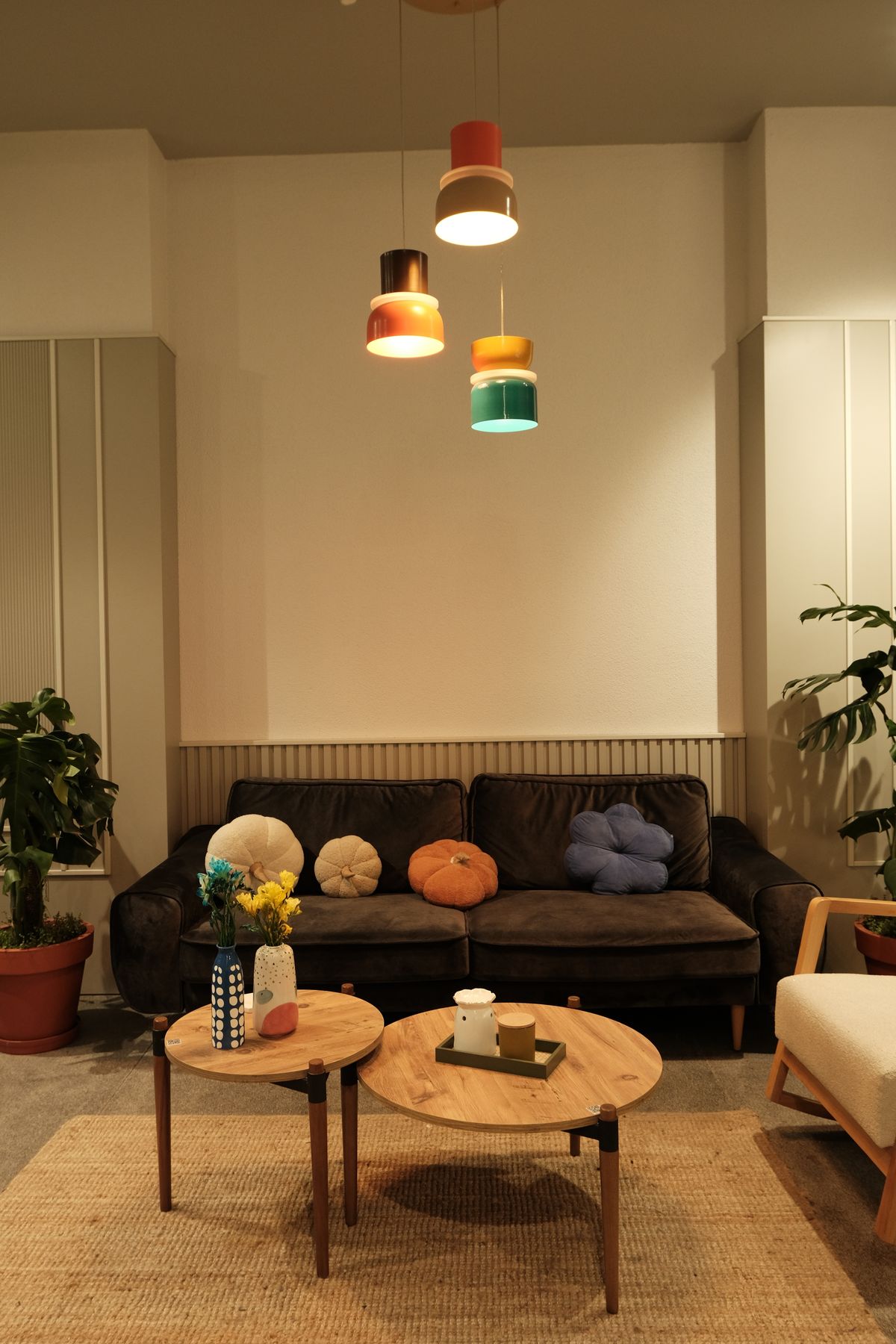
The last layer of small-room lighting is the softest one: candles (real or flameless) and a strand of warm fairy lights. Their tiny points of light add sparkle and movement that no bulb can match, and they make a small room feel magical rather than merely lit.
Use flameless candles if you have pets, children, or a habit of falling asleep on the sofa — modern LED versions flicker convincingly and run on a timer. Fairy lights belong inside a jar, along a shelf, or over a curtain rod, never tangled across the ceiling. This final layer turns good lighting into atmosphere.

Small Living Room Lighting FAQs
How many light sources should a small living room have?Aim for at least three: one ambient source, one task lamp, and one accent light. Three sources at different heights spread light evenly, eliminate dark corners, and adjust the mood — a single ceiling light cannot do any of that.
What color temperature is best for a small living room?Warm white, around 2700K to 3000K, is the safest choice. It makes a small room feel cozy rather than clinical. Keep all bulbs in the room at the same temperature for a consistent look.
How can I make a small living room brighter without rewiring?Swap in warm LED bulbs, add a floor lamp in the darkest corner, hang a mirror opposite a lamp or window, use plug-in dimmers and LED strips, and switch to sheer curtains. None needs an electrician, and together they transform the room.
Should a small living room use a ceiling light or lamps?Lamps usually win in a small room: their light sits at human height and creates warm pools rather than harsh overhead glare. Keep the ceiling fixture for cleaning, preferably on a dimmer, and let lamps do the everyday work.
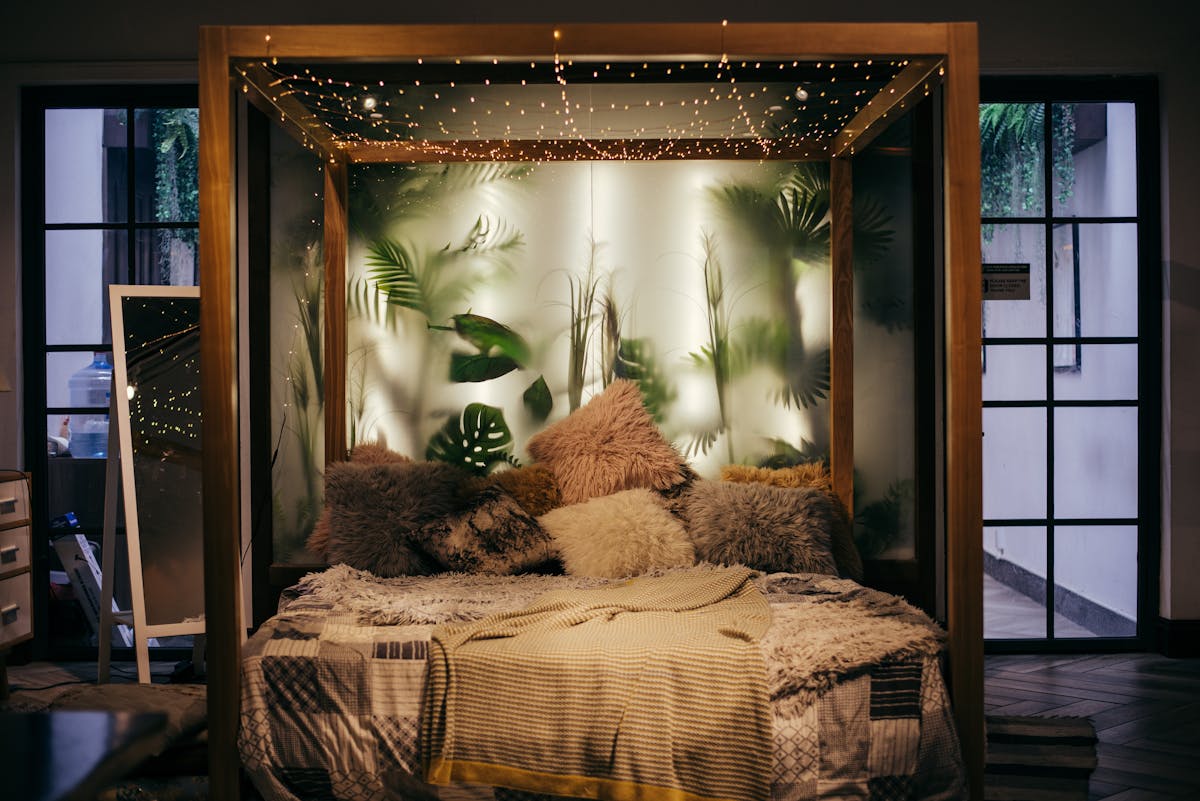
Good lighting does not require a bigger room — it requires a better plan. Layer your sources, warm up your bulbs, bounce light off walls and mirrors, and let the smallest, softest glow finish the job. Try one idea tonight, and watch your tiny living room start to feel spacious and welcoming.



0 Comments