
12 Small Bedroom Winter Bedding Ideas for Cozy Sleep
A small bedroom in winter should feel like a cocoon, not a cold box. The good news is that warmth in a tiny room is easier than in a big one: less air to heat, less bed to dress, and every layer you add is right where you sleep. The trick is layering in the right order — a warm base, an insulating middle, and a top layer you can push aside when you get too hot — instead of buying one enormous duvet and hoping for the best. These 12 ideas work for twin, full, and queen beds in rented flats, and most cost under $50 to try.
1. Start With a Flannel Fitted Sheet
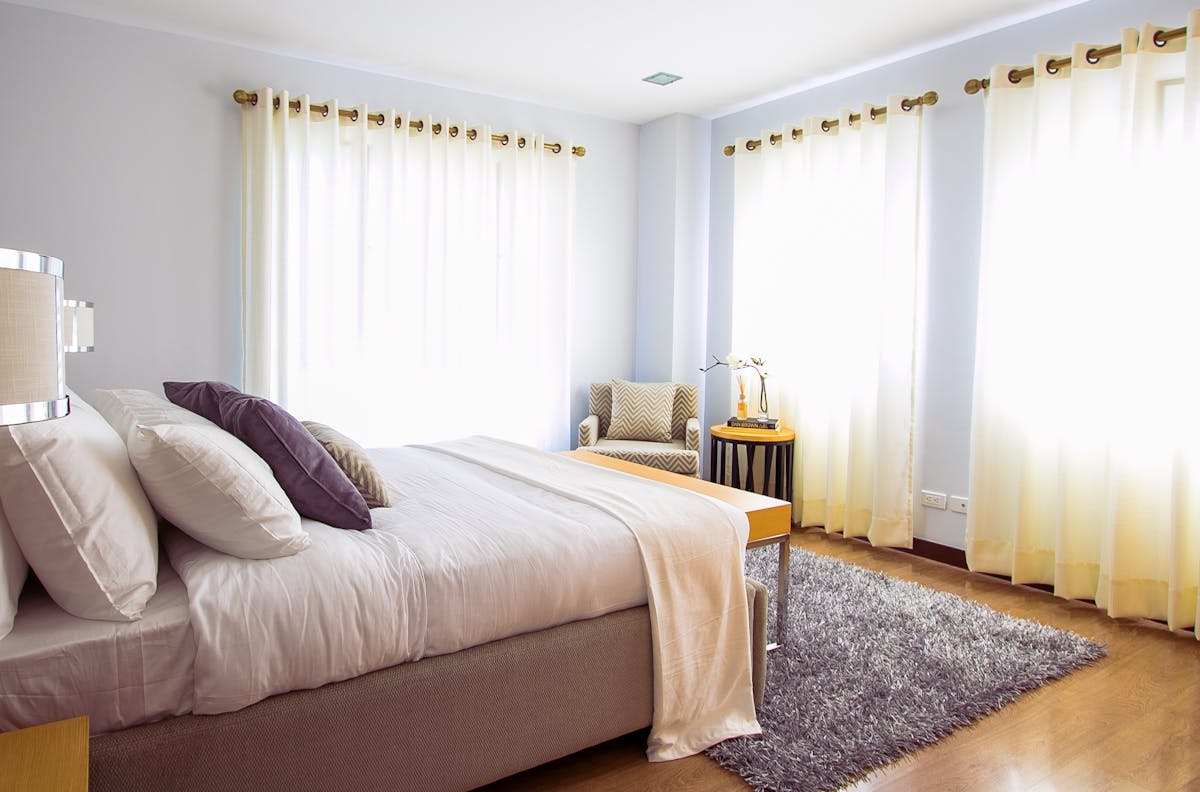
Flannel is the single highest-impact winter bedding swap, because it is the layer your skin actually touches. Unlike cold cotton percale, brushed flannel feels warm on contact, so you stop dreading getting into bed. A flannel fitted sheet for a twin or full bed typically costs $20–$40, washes well, and needs no other change to your setup. Choose a solid color or a quiet plaid so it still looks calm in a small room, and wash it before the first use to soften it further and remove loose fibres.
2. Understand Duvet Warmth Ratings Before You Buy
Duvets are often sold by tog rating or by a "warmth level" label, and the numbers matter more than the price tag. As a rough guide, a 4.5 tog duvet suits summer, 7.5–10.5 tog suits spring and autumn, and 12–15 tog is the winter range for most homes. In a small, well-heated bedroom you may only need 10.5 tog plus a throw, while a draughty room may need the full 13.5–15 tog. Check the label before buying, and remember that a higher tog is not automatically better — an overheated sleeper wakes up just as often as a cold one.
3. Layer a Light Duvet With a Washable Throw
Instead of one heavy winter duvet, try a medium duvet plus a chunky throw across the foot of the bed. The throw adds warmth exactly where feet get cold, folds back in seconds when you overheat, and is far easier to wash than a duvet. A waffle or knit throw in the $25–$50 range doubles as a sofa blanket by day, which matters in a small flat where everything should earn its space twice. Drape it straight across the lower third of the bed so the bed still looks made, not messy.

4. Add a Thin Blanket Between Sheet and Duvet
The classic hotel trick is a thin blanket sandwiched between the flat sheet and the duvet. It traps a pocket of warm air, adds almost no bulk, and lets you adjust in the night by kicking off just the duvet while keeping the blanket. A lightweight cotton or fleece blanket costs roughly $15–$30, folds small for storage, and is a renter-friendly change because it involves no new furniture or fittings. Tuck it in at the foot only, so you can still move freely under it.
5. Use Two Pillowcases: One Warm, One Cool
Many people sleep hot on top and cold everywhere else. A flannel or brushed-cotton pillowcase on your main pillow keeps your head warm, while a standard cotton case on a second pillow gives you a cool side to turn to in the night. It is a tiny change, but it solves the most common winter sleep complaint — waking up sweaty at 2 a.m. — without changing the duvet at all. Pillowcase pairs in flannel usually run $12–$25.
6. Dress a Small Bed in Layers, Not Bulk
On a twin or small full bed, one oversized duvet swallows the whole room visually. Layers solve that: a fitted sheet, a flat sheet, a light blanket, and a throw look tailored rather than bulky, and each layer can be a different texture so the bed still reads as intentional. Keep the color palette to two or three tones — for example, cream, rust, and charcoal — so the layers look curated, not piled on. For more small-bedroom styling that keeps a tiny room calm, see our small bedroom blackout and window treatment ideas, which pair well with a warm bed.

7. Try a Weighted Throw for the Foot of the Bed
A weighted throw — typically 5–7 kg for an adult — adds a feeling of snugness that a light duvet cannot, and many people find the gentle pressure helps them settle faster. Keep it to a throw rather than a full weighted duvet, so the weight sits over your legs, not your chest, and so you can remove it easily. Weighted throws usually cost $35–$60. If you have breathing or circulation concerns, check with a clinician first, and never use a weighted blanket for a small child.
8. Warm the Bed Before You Get In
A hot water bottle or a microwaveable heat pad, placed under the duvet for 15 minutes before bedtime, warms the sheets without heating the whole room all night. This is the cheapest winter comfort upgrade there is — a hot water bottle costs under $15 — and it is ideal for renters, since it needs no installation. Remove it before you fall asleep or move it to the foot of the bed, and never use a bottle that is cracked, perished, or older than a couple of winters.
9. Keep a Spare Set of Winter Sheets in Rotation
Winter bedding gets washed less often because it takes longer to dry, so own two sets of flannel sheets and rotate them. One set on the bed, one in the wash or the linen cupboard, means you are never remaking the bed with cold summer cotton while the flannel dries. Store the spare set inside a matching pillowcase on a single shelf, so it takes up almost no cupboard space — a trick that also works for the rest of your linen storage, as in our tiny apartment linen closet ideas.

10. Seal Draughts at the Bed's Side of the Room
No bedding fixes a cold draught blowing straight across the bed. If your bed sits under a window, a draught excluder along the sill, a rolled towel at the bottom of the door, or a heavy curtain hung on a tension rod — all renter-friendly and under $30 — can raise the temperature around the bed by a noticeable amount. Move the bed even 15 cm away from an outside wall if you can; cold radiates off the wall all night, and that small gap makes the bedding's job much easier.
11. Choose Breathable Warmth, Not Plastic-Feeling Fabric
The warmest-feeling fabrics are not always the most comfortable: cheap polyester fleece can trap sweat and leave you clammy by morning. Look for cotton flannel, cotton jersey, or wool-blend throws, which insulate while still breathing. If you already own a fleece blanket you love, use it as the middle layer rather than the layer against your skin, with a cotton sheet between you and it. Comfort in winter is about staying dry as much as staying warm.
12. Make the Bed Every Morning — It Keeps the Layers Working
It sounds like housekeeping advice, but a made bed keeps winter layers in their proper order: sheet, blanket, duvet, throw. A tangled pile loses its trapped-air pockets and looks like clutter in a small room, while a smoothly layered bed invites you back at night and makes the whole bedroom feel warmer. Shake the duvet out each morning, fold the throw across the foot, and fluff the pillows — two minutes that keep the system working and the room looking calm.




Conclusion: Warmth Is a System, Not a Single Purchase
Cozy winter sleep in a small bedroom does not come from the thickest duvet you can find. It comes from layers in the right order, a warm sheet against your skin, a throw you can adjust, and a draught-free corner to sleep in. Start with the flannel sheet, add one throw, and adjust from there — your small bedroom is already the easiest room in the house to keep warm.



0 Comments