
12 Small Bedroom Desk Ideas for Tiny Bedrooms
A bedroom desk in a tiny bedroom feels like a luxury until you need one — for work calls, study, journaling, or paying bills without balancing a laptop on your knees. The challenge is real: the bed already takes most of the room, and a full desk can make the space feel like an office you sleep in. The answer is not a smaller version of an office desk; it is a desk that does two jobs, folds away, or lives in a spot you were not using — the wall beside the bed, the windowsill, the inside of a wardrobe door. These 12 ideas give you a genuine workspace in a tiny bedroom without giving up the feeling that the room is still for rest.
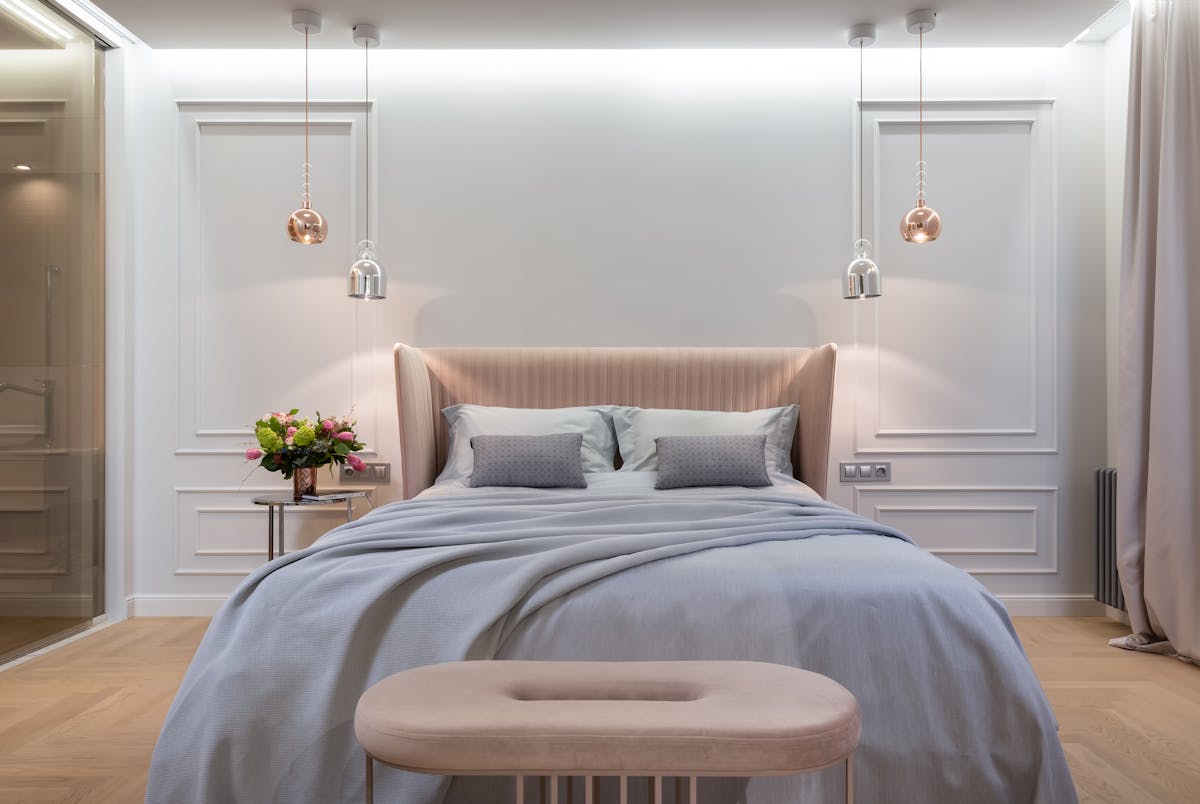
1. Mount a Fold-Down Desk on the Bedroom Wall
A wall-mounted fold-down desk is the tiny-bedroom classic for a reason: down, it is a full work surface at the right height for a laptop and a notebook; up, it is a slim shelf that takes no floor space at all. Mount it at elbow height when seated, and pair it with a chair you already own — the desk does not need a dedicated chair to be a dedicated workspace. Add a small shelf above for a lamp and supplies, and the wall becomes a workstation that disappears at bedtime, which matters when the room has to switch from work mode to sleep mode every night.
2. Turn the Windowsill Into a Desk With a Shelf Board
A deep windowsill, or a shelf board fitted across the window recess, makes a desk with the best light in the flat for free. Daylight keeps you alert, the view gives your eyes somewhere to rest, and the sill's depth is usually enough for a laptop and a coffee. If your sill is shallow, a board that extends it by 15–20 cm — supported by brackets — creates a proper surface without a single piece of freestanding furniture. Keep the setup minimal: laptop, lamp, one pen pot. A windowsill desk that accumulates clutter stops being a desk and starts being a shelf.
3. Build a Cloffice Inside the Wardrobe
A wardrobe with the doors removed, or a reach-in closet you barely use, becomes a "cloffice" — a closet office — with a shelf at desk height and another above for storage. Close the doors (or draw a curtain) at the end of the day and the office vanishes completely, which is the best sleep hygiene a work-from-home bedroom can offer: out of sight really does mean out of mind. Run a power strip inside the closet for the laptop and lamp, and add a small battery light if the closet is dark. This is the highest-impact desk idea in this list for anyone who works from their bedroom full-time.
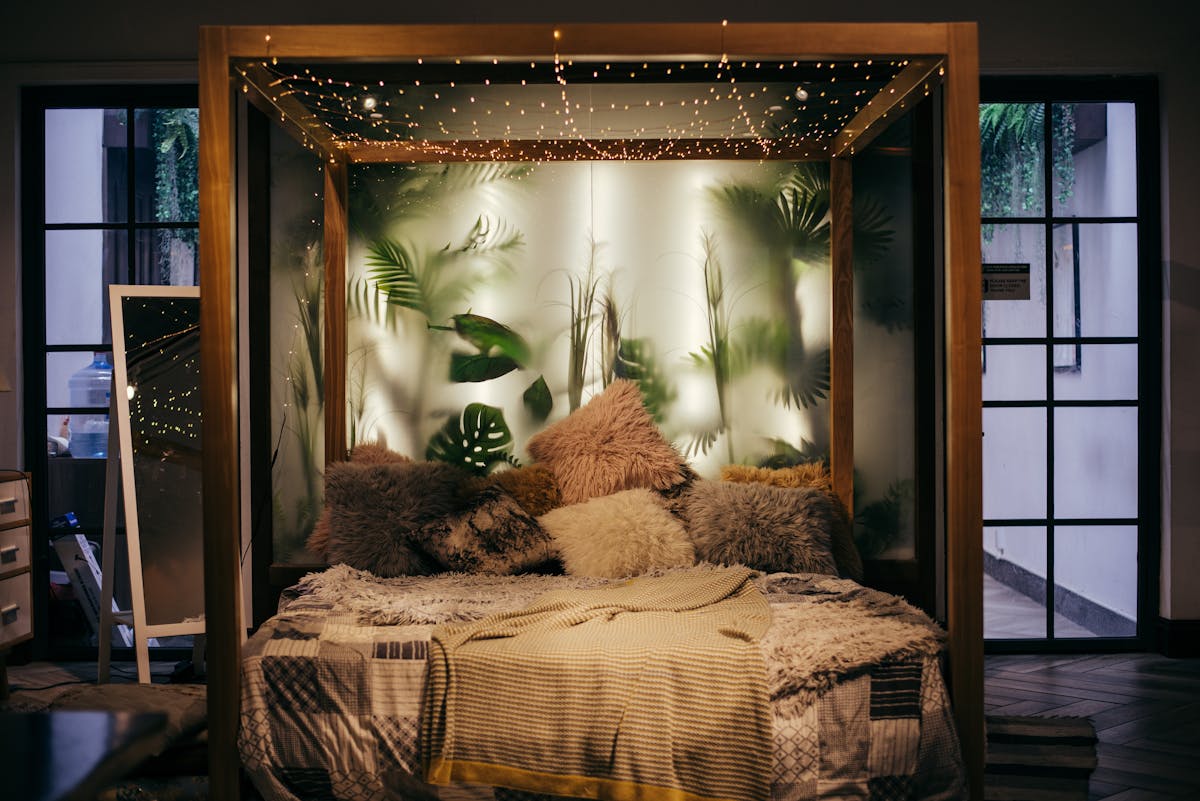
4. Use Your Nightstand as a Desk After All
Your nightstand is already a small table beside the bed — give it a second job. A nightstand with a pull-out shelf, or a slightly larger bedside table with a drawer, holds a laptop for an evening work session and returns to lamp-and-book duty at bedtime. The trick is keeping the nightstand's footprint the same: do not buy a bigger one, make the existing one work harder. A laptop stand that lifts the screen to eye level turns a low nightstand into an ergonomic workspace, and a small tray keeps work supplies corralled when the workday ends.
5. Double Your Vanity as a Desk
If you already have a vanity or dressing table, you already have a desk — a mirror, good lighting, a flat surface, and storage are exactly what both jobs need. Work from it during the day with the mirror as a backdrop, and keep makeup in one drawer and work supplies in another so the two lives do not mix. A vanity chair that tucks fully underneath keeps the room feeling like a bedroom, not an office. For more ideas on making one piece of bedroom furniture do two jobs, see our small guest bedroom ideas, which are built on the same double-duty furniture logic for tiny rooms.
6. Fit a Corner Desk Into the Dead Corner
Every bedroom has a dead corner — the one beside the wardrobe, behind the door, or at the foot of the bed where nothing quite fits. A small triangular corner desk, or a shelf board fitted across the corner, turns that dead space into a workspace without stealing a centimetre from the room's circulation. Corner desks also feel private: two walls around you cut distractions and make video calls look tidy, since the background is just wall. Keep the corner's storage vertical — a shelf above, a hook on the side — so the desk surface stays clear for actual work.
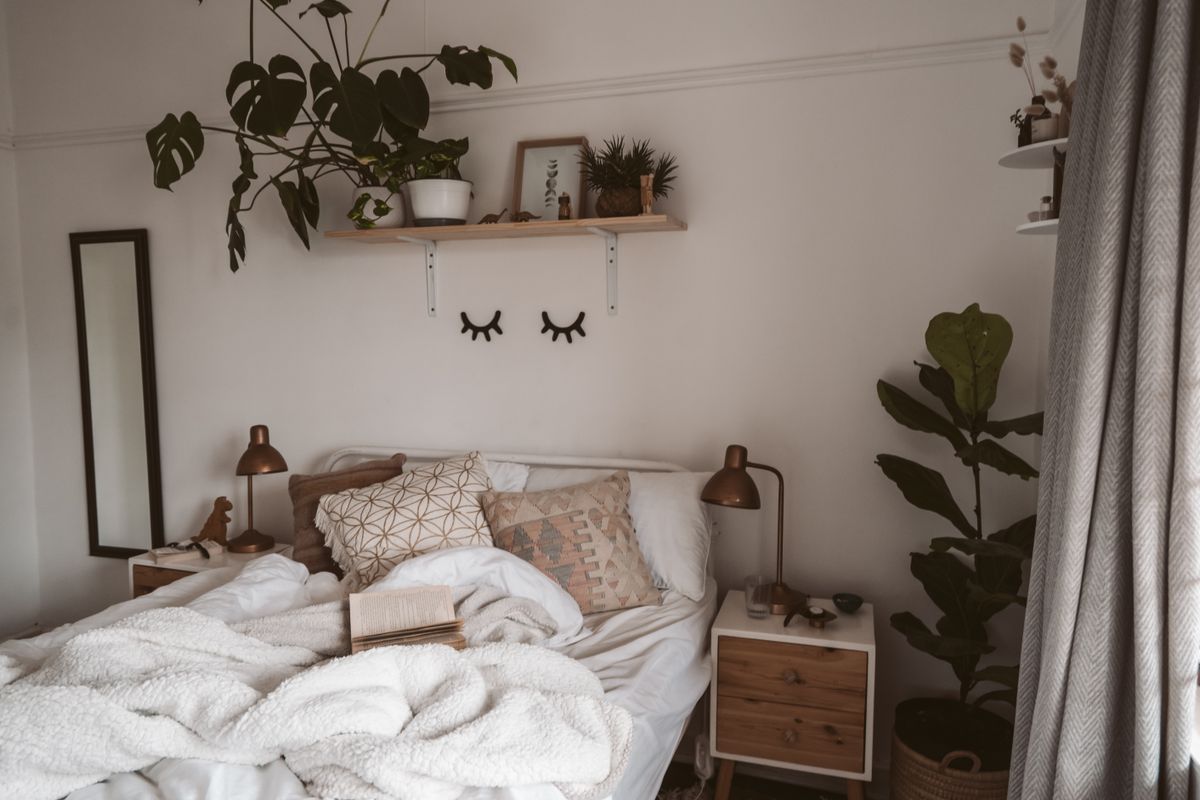
7. Try a Floating Shelf Desk at Standing Height
A floating shelf at standing height — around 105–110 cm — gives you a standing desk that takes zero floor space and costs very little. Stand for short work sessions, emails, and calls, and sit on the bed for longer ones; alternating is better for your back than either position alone. A second, lower shelf holds a laptop when it is not in use, and the wall above takes a small pinboard or a whiteboard for notes. Standing desks in bedrooms work best for people who work in bursts rather than eight-hour stretches — know your pattern before you commit to standing only.
8. Roll a Cart Desk to Wherever You Need It
A small rolling cart with a flat top — a bar cart, a kitchen trolley, a craft cart — becomes a desk that moves to the light, to the window, or out of the way when guests come. Park it beside the bed as a nightstand when you are not working, roll it to the window when you are. The mobility is the point: in a tiny bedroom, furniture that can leave the room's centre is furniture that never blocks the room. Choose a cart with locking wheels and a top large enough for a laptop plus a notebook, and keep a power strip on the cart so it is always ready.
9. Hang a Desk From the Bed Frame's End
The foot of the bed is wasted space in most tiny bedrooms, and a narrow console or a shelf board fitted across the bed's end creates a desk that faces into the room rather than a wall. It suits laptops and writing, and when you are done, the chair tucks under and the bed end looks like a bench, not a desk. This works best with a bed frame that has a flat, sturdy footboard to anchor against, and a chair that is comfortable enough for an hour but not so comfortable that the desk becomes a second sofa.

10. Use a Lap Desk Station for the Bed Itself
Sometimes the honest answer is that you work from the bed — and a proper lap desk makes that ergonomic instead of regrettable. A lap desk with a cushion base, a raised lip, and room for a mouse beside the laptop keeps the screen at a readable angle and the heat off your legs. Pair it with a firm pillow behind your back and a rule: bed work is for short sessions only, and the lap desk lives in the wardrobe when the session ends, so the bed stays a bed. This is not a full-time office, but for students and remote workers in the tiniest rooms, it is a real improvement over a laptop on a duvet.
11. Choose a Secretary Desk That Closes on Work
A small secretary desk — the kind with a drop-down front that becomes the work surface and closes over the whole mess — is the bedroom desk for people who need work to disappear at night. Closed, it is a slim cabinet; open, it holds a laptop, papers, and supplies in pigeonholes. Second-hand secretary desks are common and cheap, and they suit tiny bedrooms because their closed depth is barely 30 cm. The ritual of opening and closing the desk also marks the boundary between work and rest, which is the hardest boundary to keep in a room that is both office and bedroom.
12. Light the Desk Separately From the Bedroom
A bedroom desk fails without its own light. A clip-on or small desk lamp with a warm-white bulb, aimed at the work surface and not at the bed, lets you work without flooding the room — and lets a partner sleep while you finish an email. Keep the desk light separate from the bedroom's main light on its own switch or plug, so "work light on" and "bedroom light off" become a nightly routine. Good task lighting also means you can use a smaller desk: when you can see properly, you do not need to spread out to compensate.

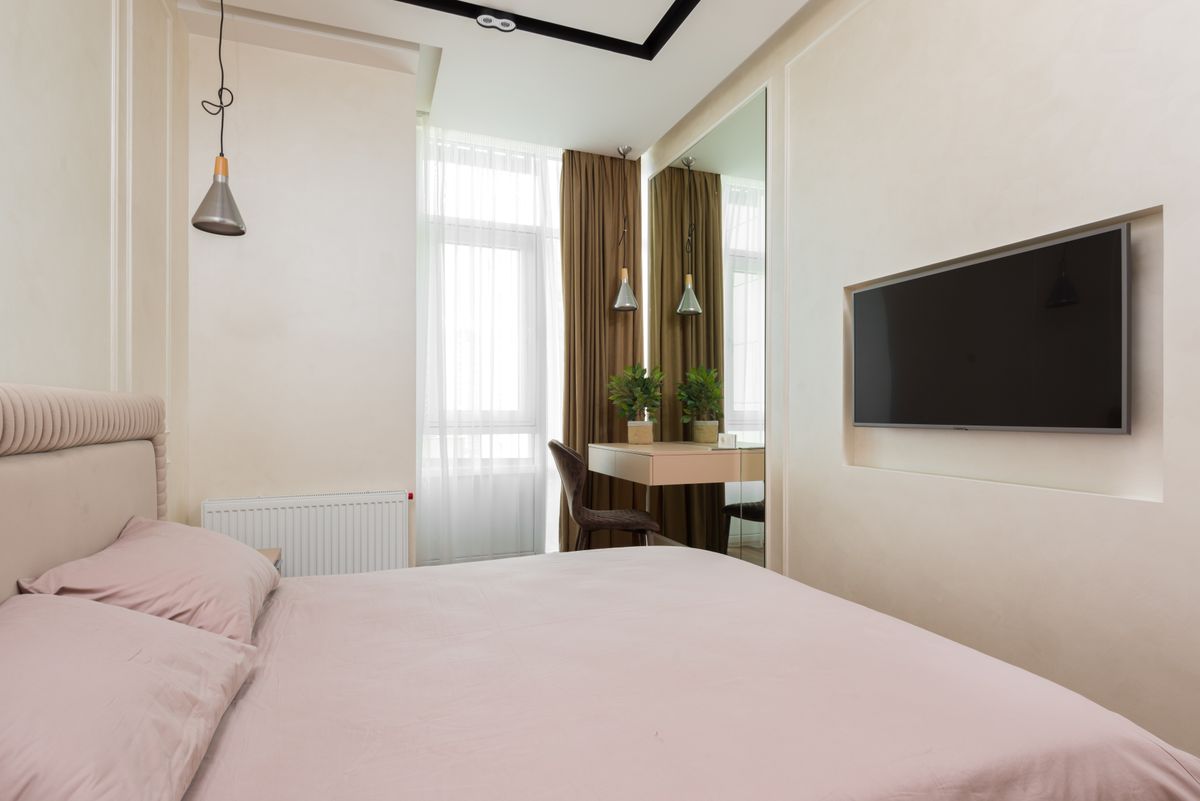


Conclusion: A Desk Is a Decision, Not a Piece of Furniture
The best bedroom desk for a tiny bedroom is the one that lets the room stay a bedroom: fold it, close it, roll it, or hide it in the wardrobe, and give it its own light. Pick the idea that matches your spot — the wall, the window, the closet, the bed end — and build it this weekend. You do not need a bigger room to have a real workspace; you need a surface, a light, and a way to make both disappear at bedtime. For more small-room ideas that work this hard, see our small dorm room decor ideas, which solve the same sleep-plus-work puzzle in even less space.



0 Comments