
13 Tiny Balcony Garden Ideas for Small Outdoor Spaces
A tiny balcony can grow a surprising amount — herbs for dinner, tomatoes for summer, flowers for the sheer joy of them — if you stop thinking of it as a small garden and start thinking of it as a vertical one. Balcony gardening is not about floor space; it is about railings, walls, hanging points, and containers that stack instead of sprawl. Whether your balcony fits two chairs or barely one, these 13 ideas will help you grow more in less space, keep watering manageable, and turn the narrowest strip of outdoor space into the greenest room in your flat.
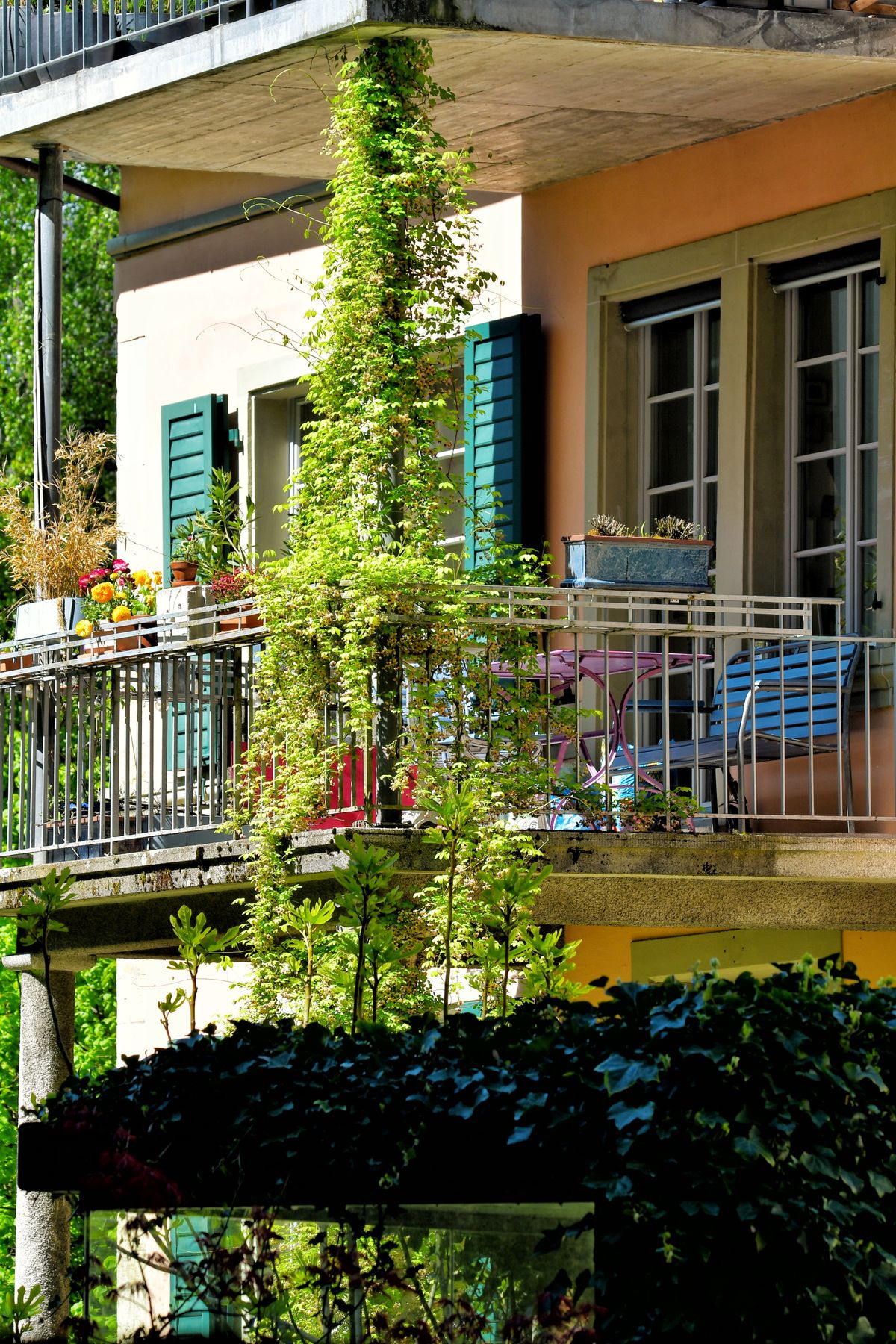
1. Hang Planters on the Railing, Not the Floor
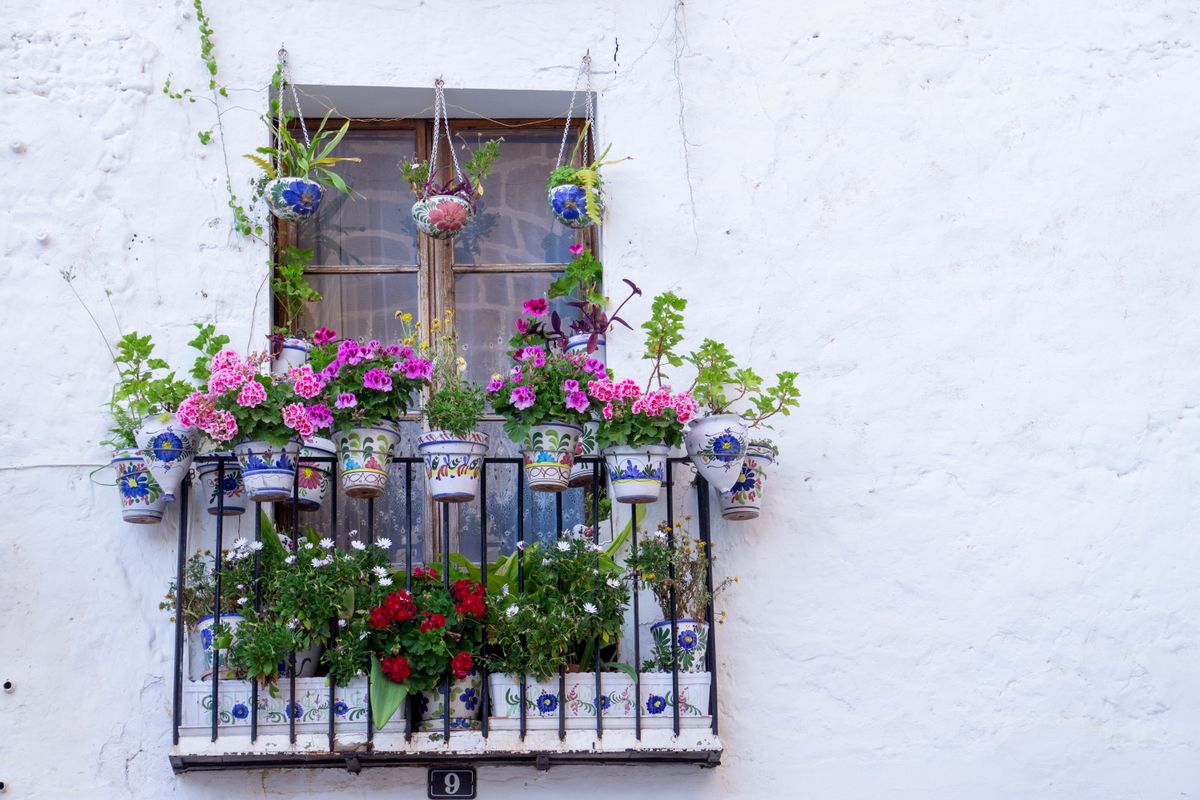
Railing planters are the balcony gardener's best friend: they use the railing you already have, keep the floor clear for chairs and feet, and put plants at the perfect height for sun and watering. Choose planters with secure hooks or brackets rated for the weight of wet soil — a planter that slides off a railing is a hazard, not a garden — and check your building's rules before hanging anything outside the railing line. Herbs, trailing flowers, and small lettuces thrive in railing planters because they get airflow from both sides.
2. Grow Up With a Vertical Wall Pocket System
A felt pocket planter or a trellis panel on the balcony wall turns one square metre of wall into twelve or more planting pockets. Wall pockets suit herbs, strawberries, and small flowers; a trellis suits climbers like peas, beans, and jasmine that grow up instead of out. The wall garden also insulates: a green wall shades the balcony in summer and softens wind. Water from the top and let gravity help — but put a drip tray or a waterproof backing behind felt pockets, because a wet wall is a landlord conversation nobody wants.
3. Stack With Tiered Shelves and Plant Stands
A tiered plant stand or a narrow shelving unit multiplies your growing area without multiplying your footprint: three shelves hold three times the plants in the same floor space, and the top shelf gets the most sun for sun-lovers while the bottom suits shade-tolerant herbs. Metal stands last longer outdoors than wood, and open shelves drain better than solid ones. Arrange plants by water need — thirsty ones together, drought-tolerant ones together — so one watering can pass does not overwater half your garden.

4. Plant a Herb Rail for Cooking Steps Away
A dedicated herb rail — a row of small pots on the railing or a single long planter by the door — means fresh basil, mint, parsley, and chives are steps from the kitchen. Herbs are the highest-return balcony crop: they are expensive to buy, used daily, and thrive in small pots. Mint deserves its own pot (it invades everything), basil wants sun and regular picking, and parsley tolerates partial shade. Snip often — regular harvesting is what keeps herbs bushy instead of leggy — and bring tender herbs indoors before the first frost.
5. Grow Tomatoes in One Big Pot, Not Five Small Ones
Tomatoes are the balcony gardener's trophy crop, and the secret is one large pot per plant — at least 20 litres — with a dwarf or determinate variety bred for containers, like a patio cherry tomato. A big pot holds moisture through a hot day, a small one dries out by noon and stunts the plant. Stake early, feed weekly once flowers appear, and pinch out side shoots on indeterminate varieties so the plant puts energy into fruit, not foliage. One healthy patio tomato can give you salads all summer from a single pot.
6. Add Hanging Baskets for Trailing Colour
Hanging baskets use the air, not the floor: trailing petunias, lobelia, or strawberries cascade from ceiling hooks or a wall bracket and add colour at eye level, where you actually see it. Line baskets with coir or a plastic liner with drainage holes, and water them more often than ground pots — hanging baskets dry out fastest because wind hits them from all sides. A pulley-style hanger lets you lower the basket for watering instead of balancing on a chair with a watering can, which is the difference between a basket you maintain and one you abandon by August.
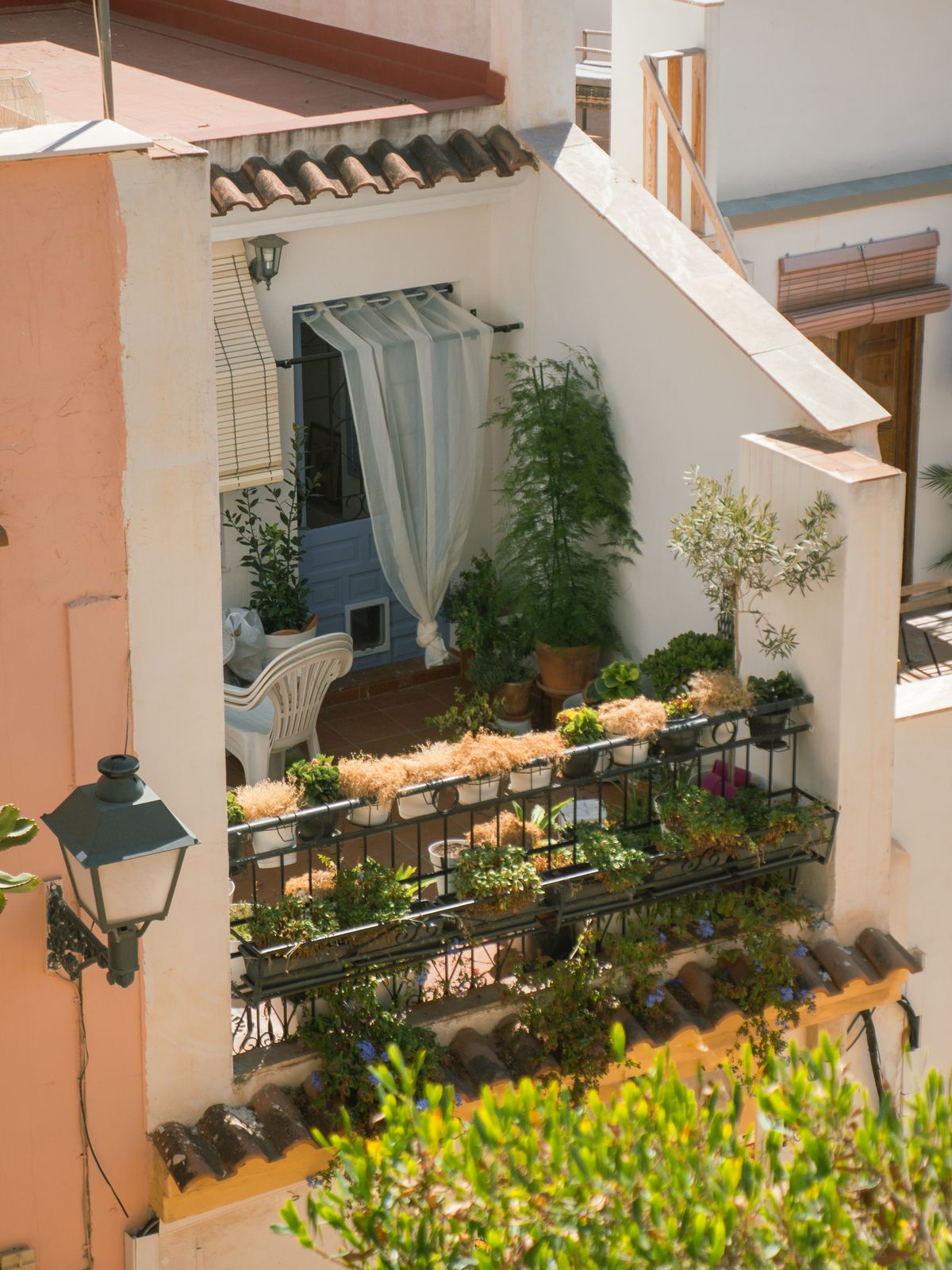
7. Choose Self-Watering Pots for Holidays and Heatwaves
Self-watering pots with a reservoir at the base keep plants alive through a hot weekend or a short holiday, and they reduce the daily watering chore that kills most balcony gardens. The reservoir feeds the soil from below, so roots grow deep instead of shallow, and you refill every few days instead of watering daily. They suit tomatoes, herbs, and flowers alike — just avoid them for succulents and Mediterranean herbs that prefer to dry out between waterings. For a low-tech version, a bottle-watering spike in a regular pot buys you two or three days.
8. Pick Dwarf and Compact Varieties on Purpose
Seed catalogues are full of varieties bred for containers: dwarf beans, patio cucumbers, compact courgettes, miniature sunflowers. Choosing them is not settling — it is designing. A compact variety in a small pot outperforms a full-size variety crammed into the same pot every time, because it was bred to fruit in limited root space. Read the label for "patio," "dwarf," or "container" before you buy, and you will harvest more from a balcony than your neighbour with a garden harvests from a badly chosen variety in a big bed.
9. Plant for Pollinators in Even One Pot
One pot of pollinator-friendly flowers — lavender, borage, marigolds, or a small wildflower mix — brings bees and butterflies to a balcony that would otherwise be a green desert, and pollinators improve the yield of your tomatoes and beans too. You do not need a meadow: a single well-chosen pot, flowering across the season, does the job. Avoid pesticide sprays on a balcony entirely — in a small space, spray drifts onto everything, including the herbs you eat. For more ideas on growing up instead of out, see our indoor vertical garden ideas, which use the same wall-and-pocket logic inside the flat.
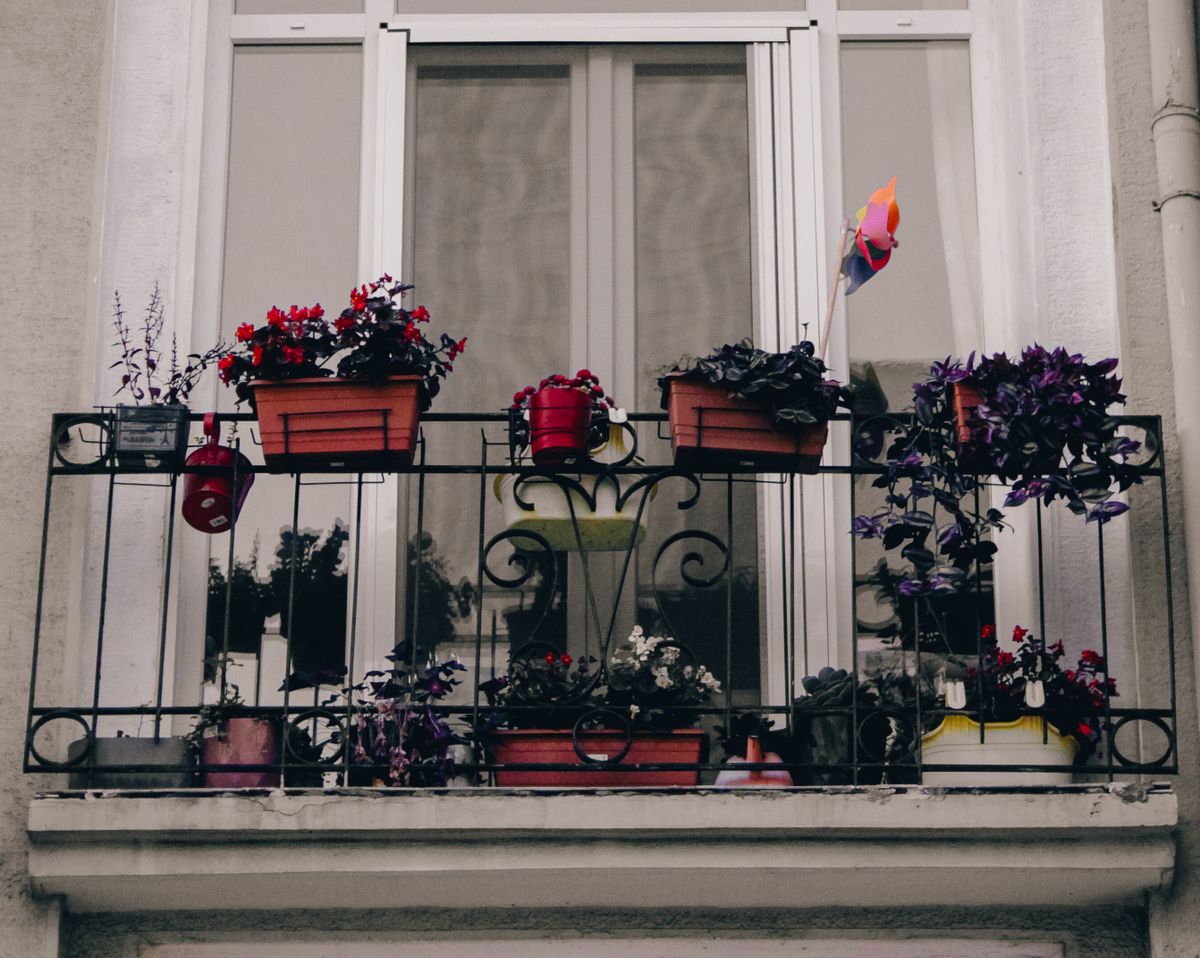
10. Make Watering a Two-Minute Morning Ritual
Balcony gardens die from inconsistent watering more than from anything else. The fix is a ritual, not a system: every morning, watering can in hand, finger-test the top 2 cm of soil in each pot — dry means water, damp means skip. Morning watering beats evening watering because leaves dry before night, which prevents mildew, and because pots are heaviest with water before the day's heat. Keep the can by the balcony door so the ritual is easy, and group pots by thirst so one pass does not mean guessing pot by pot.
11. Shield Plants From Wind With a Simple Screen
Wind is the balcony gardener's invisible enemy: it dries soil, snaps stems, and chills tender plants, especially on high floors. A reed screen, a bamboo blind, or a row of tough plants (rosemary, lavender) along the windward railing cuts the wind enough for everything behind it to thrive. The screen does not need to be solid — a semi-permeable screen actually protects better than a solid wall, which creates turbulence. Check what your building allows on railings, and never attach anything that could blow off in a storm.
12. Plan a Tiny Compost Corner
A small bokashi bin or a compact wormery on the balcony turns kitchen scraps into plant food and closes the loop of your little garden. Bokashi suits balconies because it is sealed, odour-free when managed, and small; the fermented output feeds pots after a short burial in soil. Keep the bin out of direct sun, drain the liquid regularly (diluted, it is excellent plant feed), and you will never buy bagged compost again. Even without compost, saving eggshells and coffee grounds for your pots is a free, steady source of calcium and nitrogen.
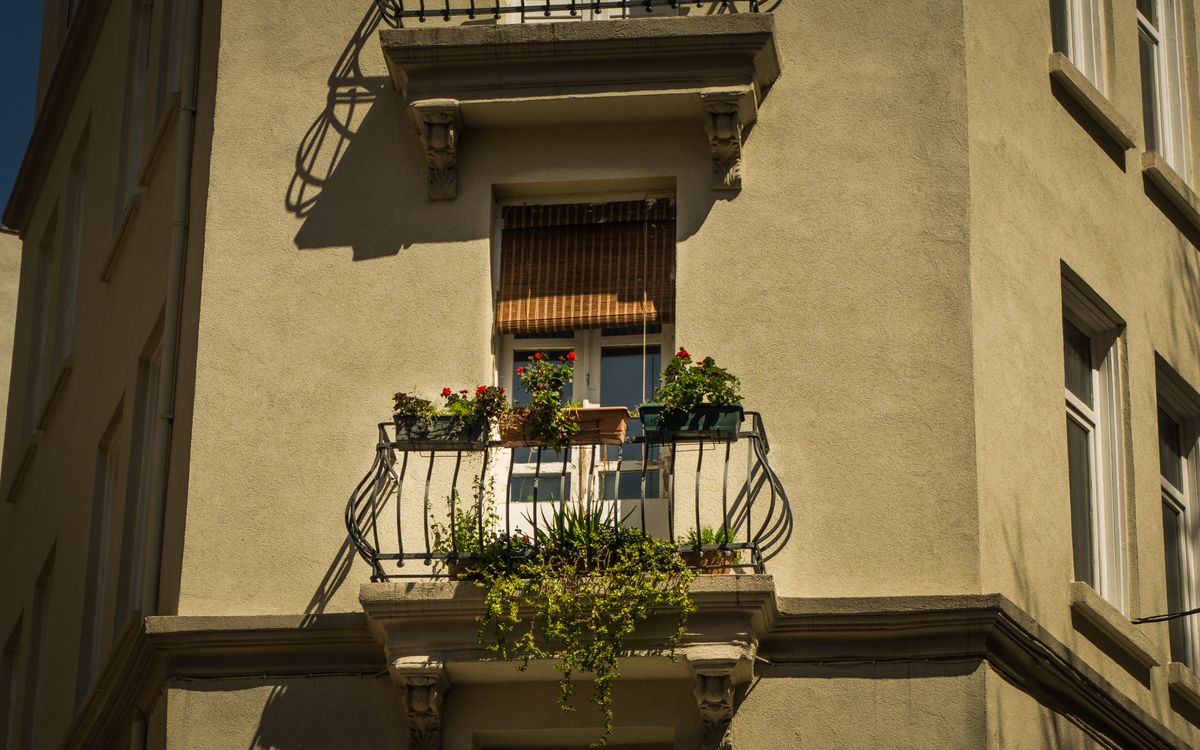
13. Keep a Winter Plan So the Garden Survives
A balcony garden that only lives in summer is a garden you rebuild every spring. Before the first frost, move tender pots indoors or to the most sheltered corner, wrap pots in bubble wrap or hessian to protect roots, and switch to cold-hardy crops — winter lettuce, hardy herbs, spring bulbs planted in autumn. Evergreen structure plants (a small rosemary, a box ball) keep the balcony green through winter so it never looks abandoned. For cold-season balcony care in detail, see our cold-weather balcony decor ideas, which cover the frost-protection side of the same small space.


Conclusion: Grow Up, Not Out
A tiny balcony garden is not a compromise — it is a design discipline. Railings, walls, hanging baskets, and tiered shelves give you more growing space than a small garden bed, and a two-minute morning watering ritual keeps it alive. Start with one railing planter of herbs this week, add a wall pocket next month, and let the garden grow the way gardens do: one pot at a time, upward. Your smallest outdoor space is about to become your favourite room.



0 Comments