
12 Small-Space Reading Nook Window Ideas for Tiny Apartments
A window is the one piece of furniture a tiny apartment gives you for free: daylight, a view, and a ledge that is already begging to be sat on. A reading nook built around a window needs almost no floor space, because the window does the work — light for your eyes, a frame for your daydreams, and a natural boundary that says this corner is for reading and nothing else. These 12 ideas turn even the smallest window — a bedroom sill, a kitchen bay, a landing window you walk past every day — into a nook you will actually use, with seating, storage, and light that work after dark too.
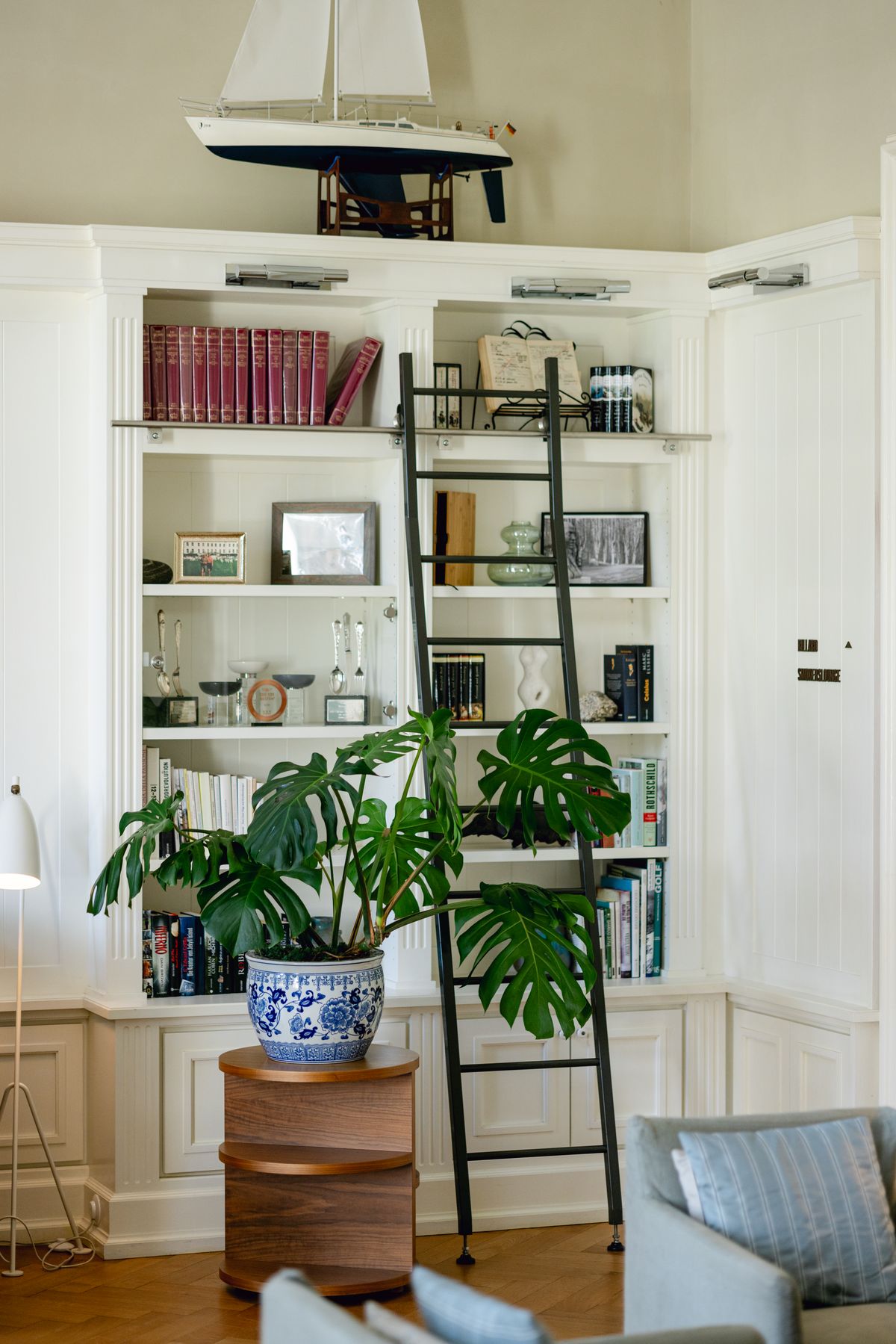
1. Start With a Deep Window Sill Seat
If your window sill is deep enough to sit on — about 40 cm or more — you already have a nook: add a custom-cut foam cushion, a washable cover, and two throw pillows, and the sill becomes a seat. Measure the depth honestly before you buy anything, because a cushion that overhangs the edge will slide. A sill seat costs almost nothing, takes zero floor space, and is the purest form of window reading: knees up, book open, street below.
2. Build a Bay Window Bench With Storage Underneath
A bay window is a nook waiting for a bench: a simple plywood box bench, built to the bay's shape, gives you a full-length seat and a hidden cupboard for books, blankets, and board games underneath. Hinge the top or fit drawers on the front so storage is actually reachable, not a place books go to disappear. Paint the bench the wall colour and it reads as architecture, not furniture, which is exactly what a small room needs.
3. Use a Narrow Daybed Across the Window
No bay? A narrow daybed or a twin mattress on a low platform, pushed against the window wall, does the same job in a bedroom or studio: reading seat by day, guest bed by night, with the window as its headboard. Keep the bedding simple — a fitted sheet, one blanket, three cushions — so the daybed never looks like an unmade bed. The trick is proportion: a daybed deeper than about 80 cm starts to eat the room, so choose the narrowest one you can sit on comfortably.
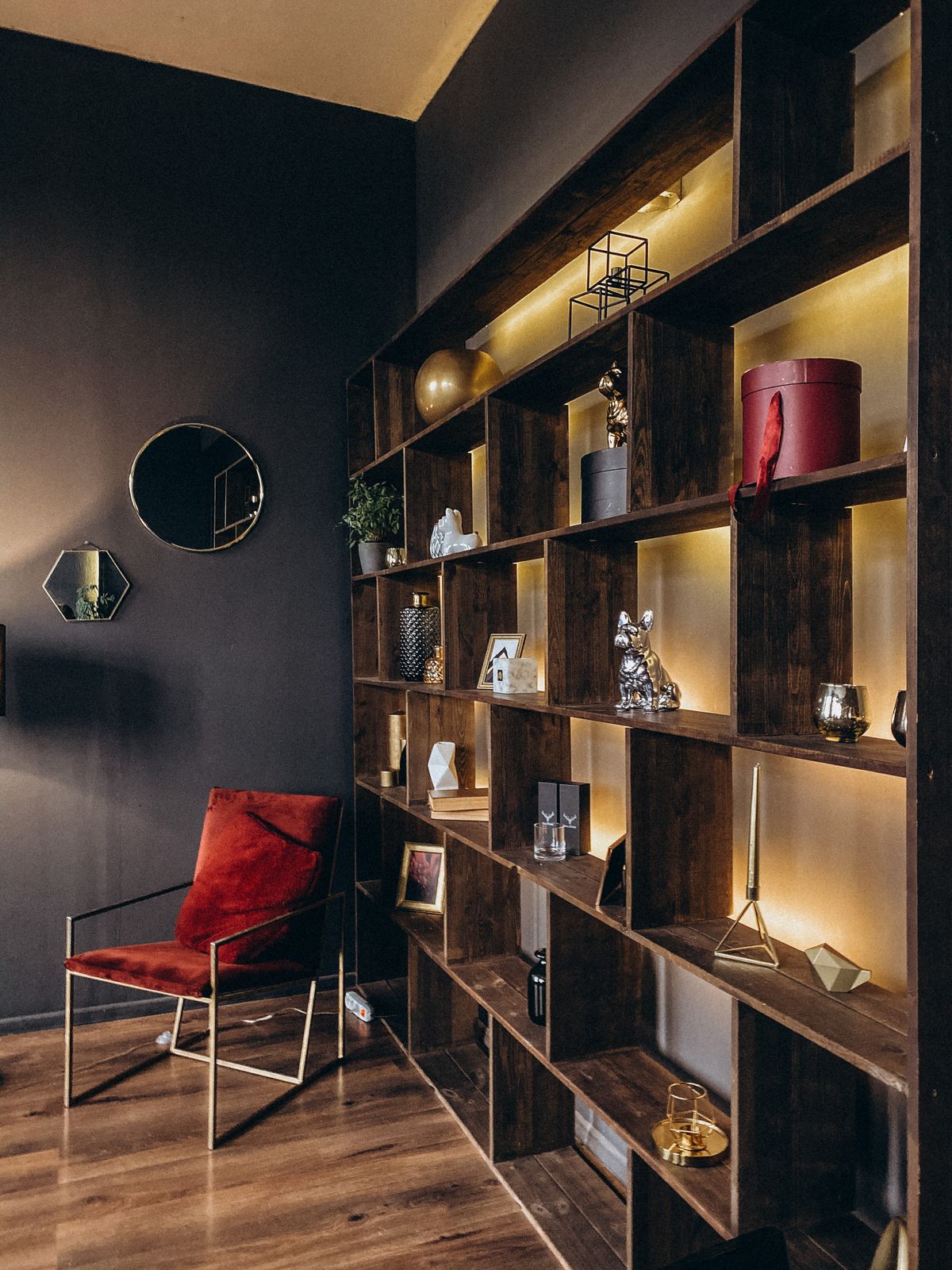
4. Hang a Hammock Chair in the Window Corner
A hanging hammock chair, fixed to a ceiling joist beside the window, gives you a reading seat that uses air instead of floor — and the gentle swing is, frankly, the whole point. Check the joist before you hang anything: a stud finder and a proper ceiling mount are non-negotiable, and a renter should use a freestanding hammock stand instead of drilling. Add a small footstool and a clip-on light, and a dead corner becomes the best seat in the flat.
5. Layer the Light: Daylight, Task Lamp, Fairy Lights
Window light is wonderful until 6 pm, and a nook that only works in daylight is a nook you abandon half the year. Layer three lights: the window itself, a small warm task lamp clipped to the sill or on a side table, and a string of fairy lights along the frame for evenings. Warm-white light (around 2700K) keeps the nook cosy after dark, and a dimmer — even a cheap plug-in one — lets you drop the light for the last chapter before bed.
6. Frame the Window With Bookshelves on Both Sides
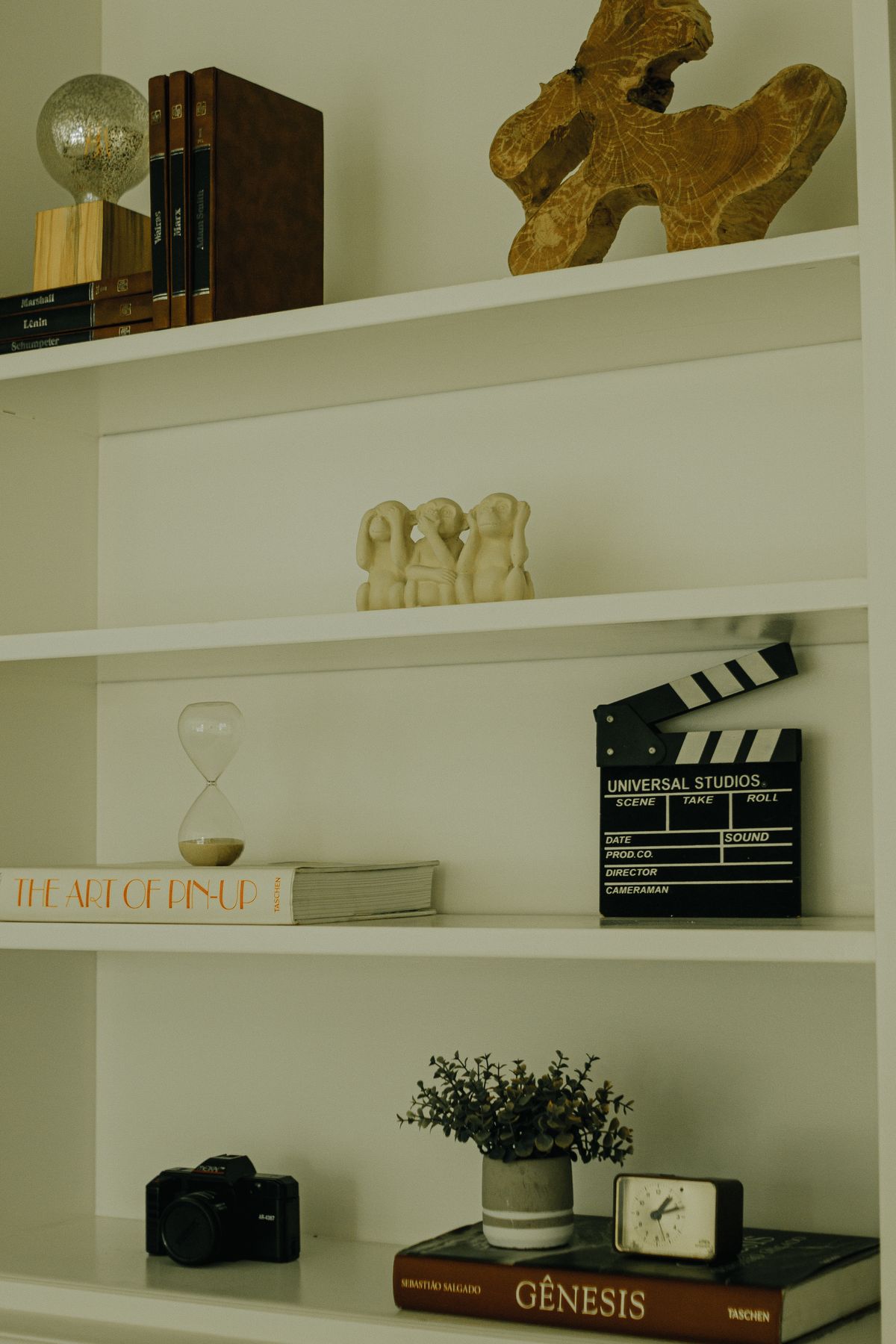
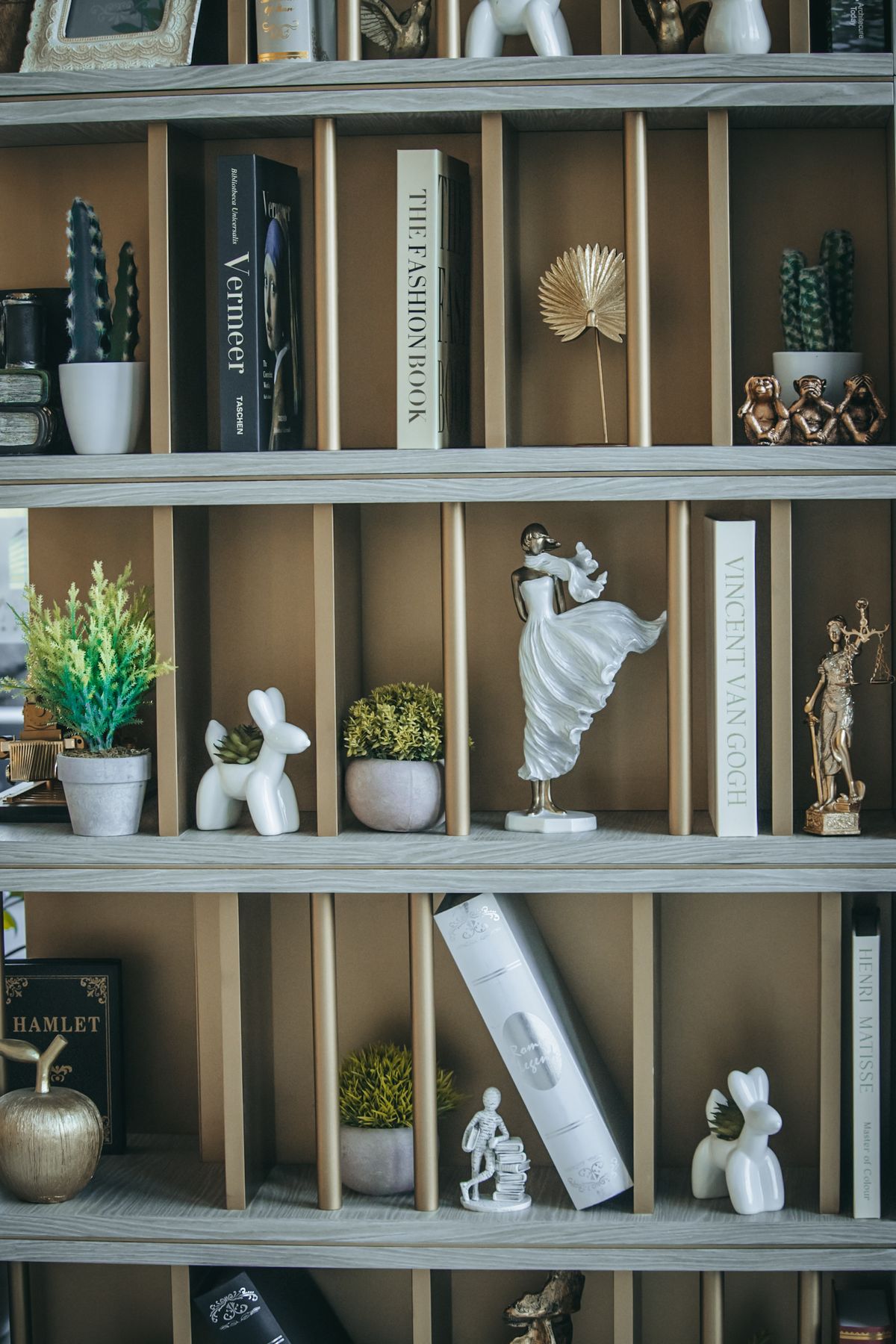
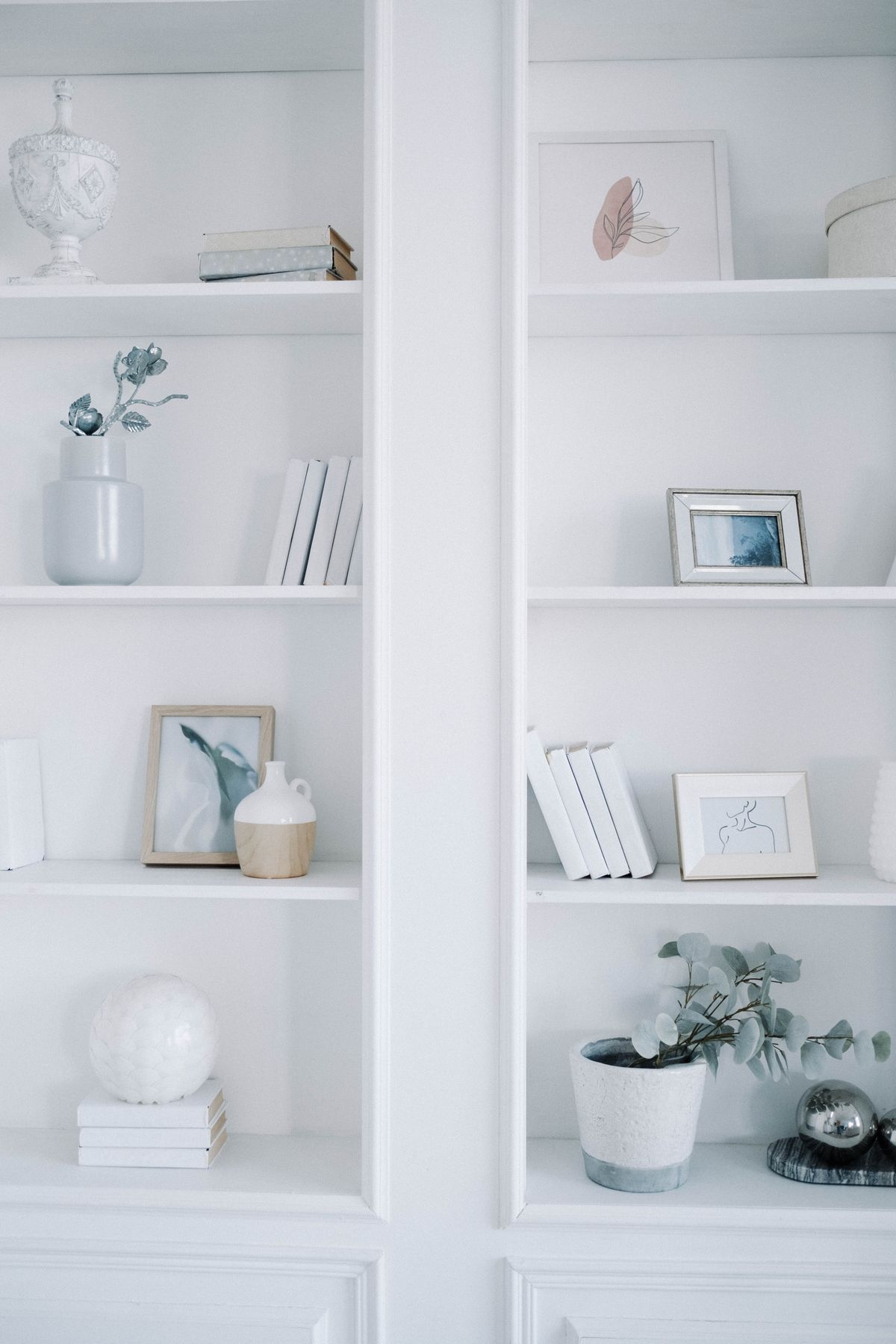
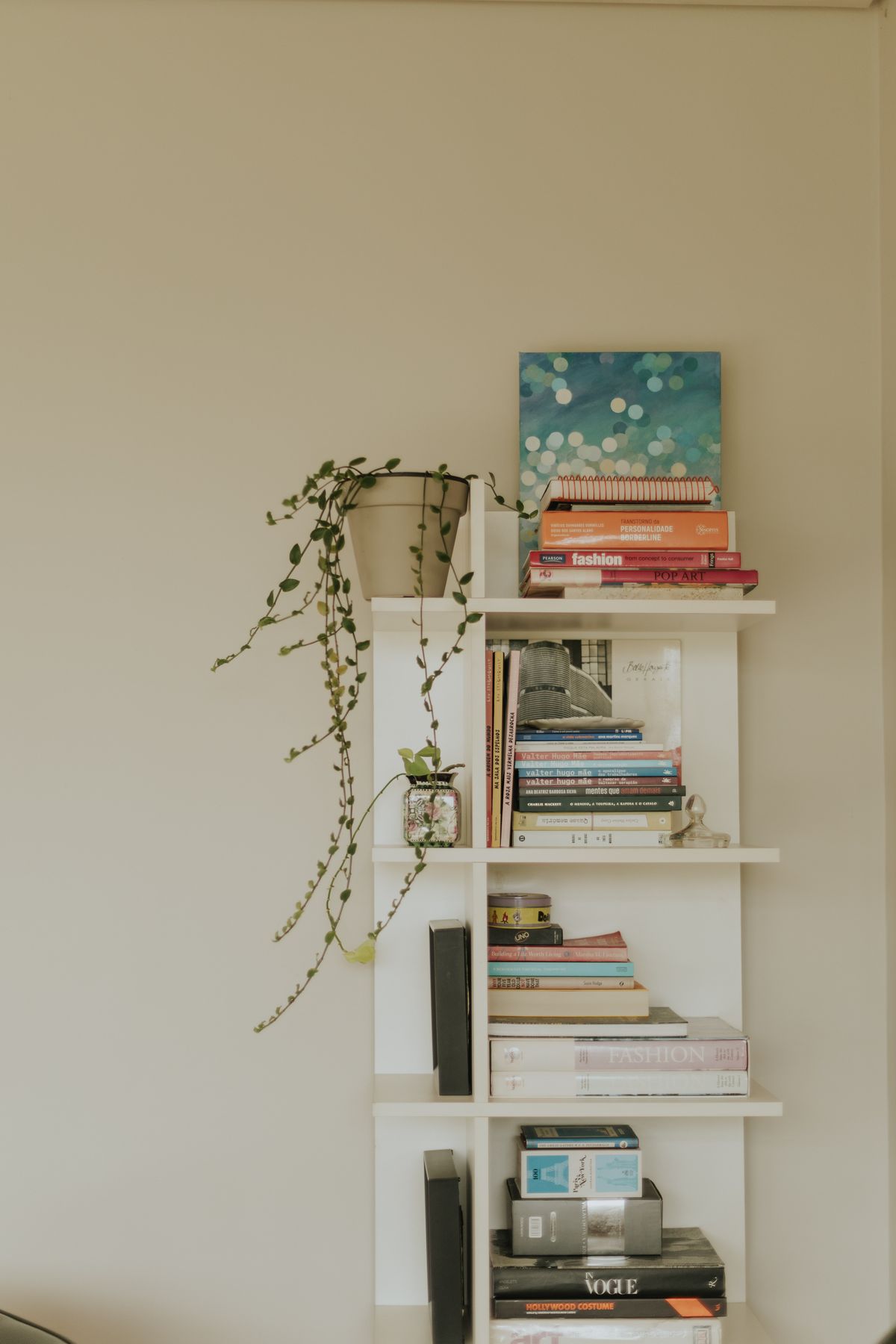
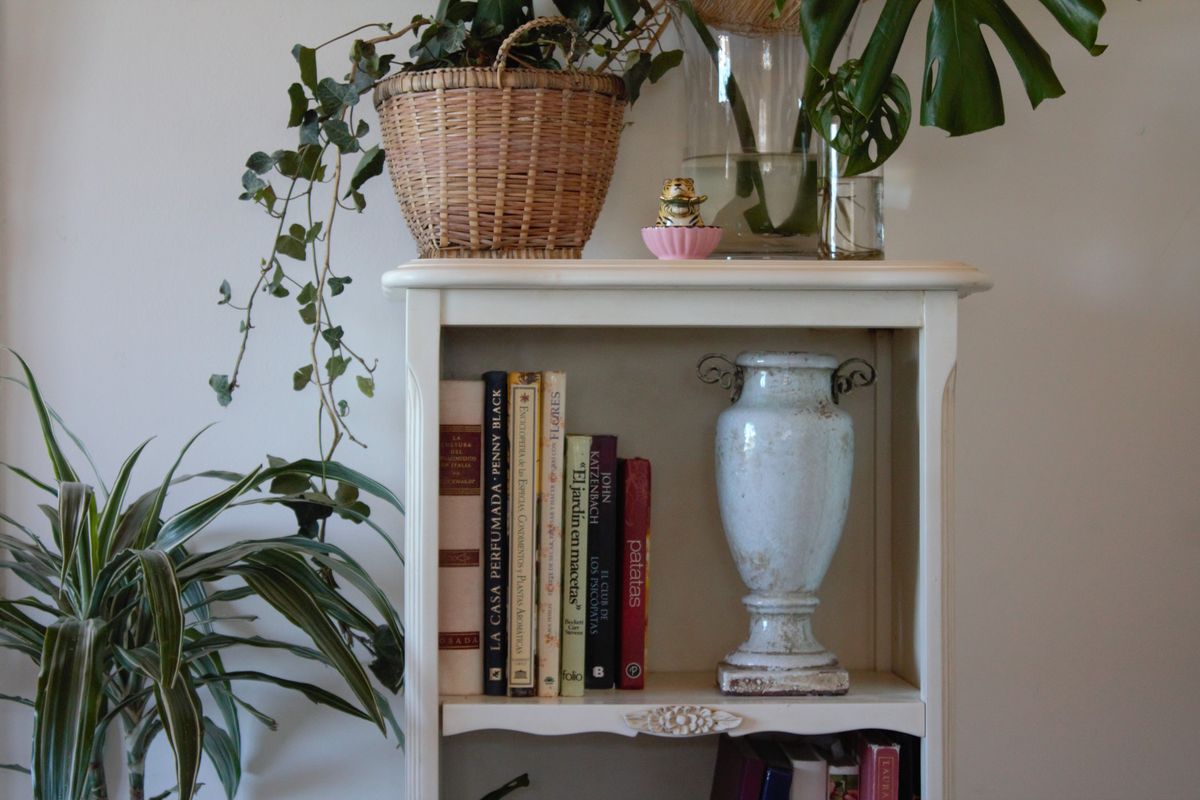
Two narrow bookshelves flanking a window turn it into a library alcove: books within arm's reach, a framed view in the middle, and a sense of enclosure that makes the seat feel intentional. Keep the shelves shallow (20 cm is plenty for paperbacks) so they do not crowd the window, and leave the top shelves for plants and objects so the nook does not feel like a book warehouse. For a bigger book collection in a small flat, see our small-space home library ideas, which solve the same storage problem at room scale.
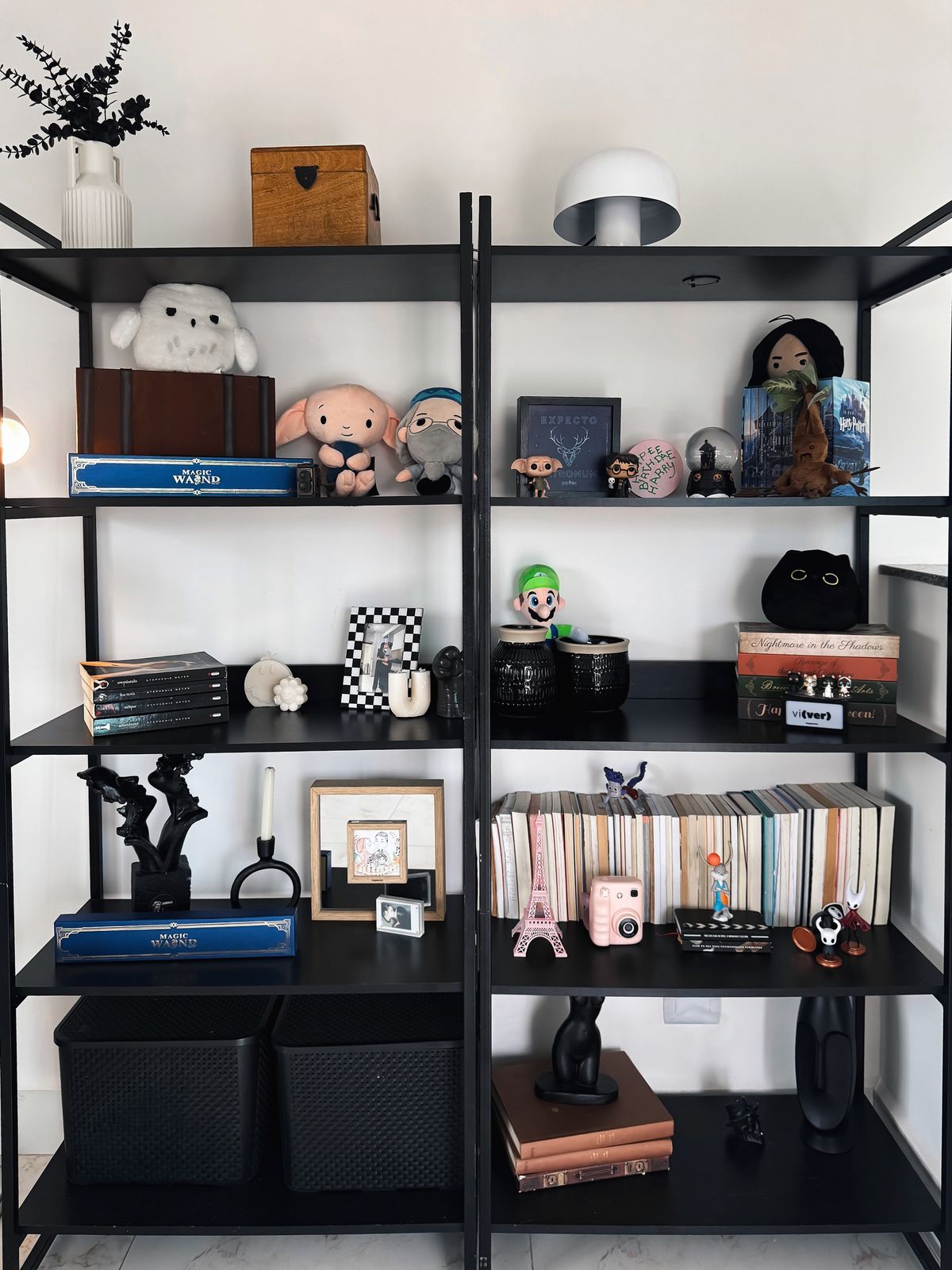
7. Add a Fold-Down Shelf as a Book and Tea Table
A reading nook needs somewhere to put a cup of tea and the book you are not currently holding, and a tiny room has no spare table. A fold-down wall shelf beside the window — a 30 cm deep board on brackets — is a table when you need it and a wall when you do not. Fit it at elbow height from the seat, not at desk height, and keep it clear: one mug, one book, nothing else, or it becomes another clutter shelf.
8. Dress the Window for Privacy Without Losing Light
A street-facing window nook fails if you feel watched. The fix is not heavy curtains — they kill the light that makes the nook work — but a sheer linen panel, a bottom-half cafe curtain, or static-cling frosted film on the lower panes. All three keep daylight and block sightlines at seat height, which is the only height that matters when you are sitting down. If you read at night, add a simple roller blind you can drop after dark.
9. Make the Seat Deep Enough to Curl Up In
A reading seat that only allows sitting upright is a seat you will leave after twenty minutes. The difference is depth and softness: a seat at least 55 cm deep, a back cushion you can lean into, and a throw you can pull over your knees. If your bench is shallower, add a thick seat pad and a bolster along the wall — the bolster turns a flat bench into a lounge. Test it the honest way: sit with a book for half an hour before you declare the nook finished.
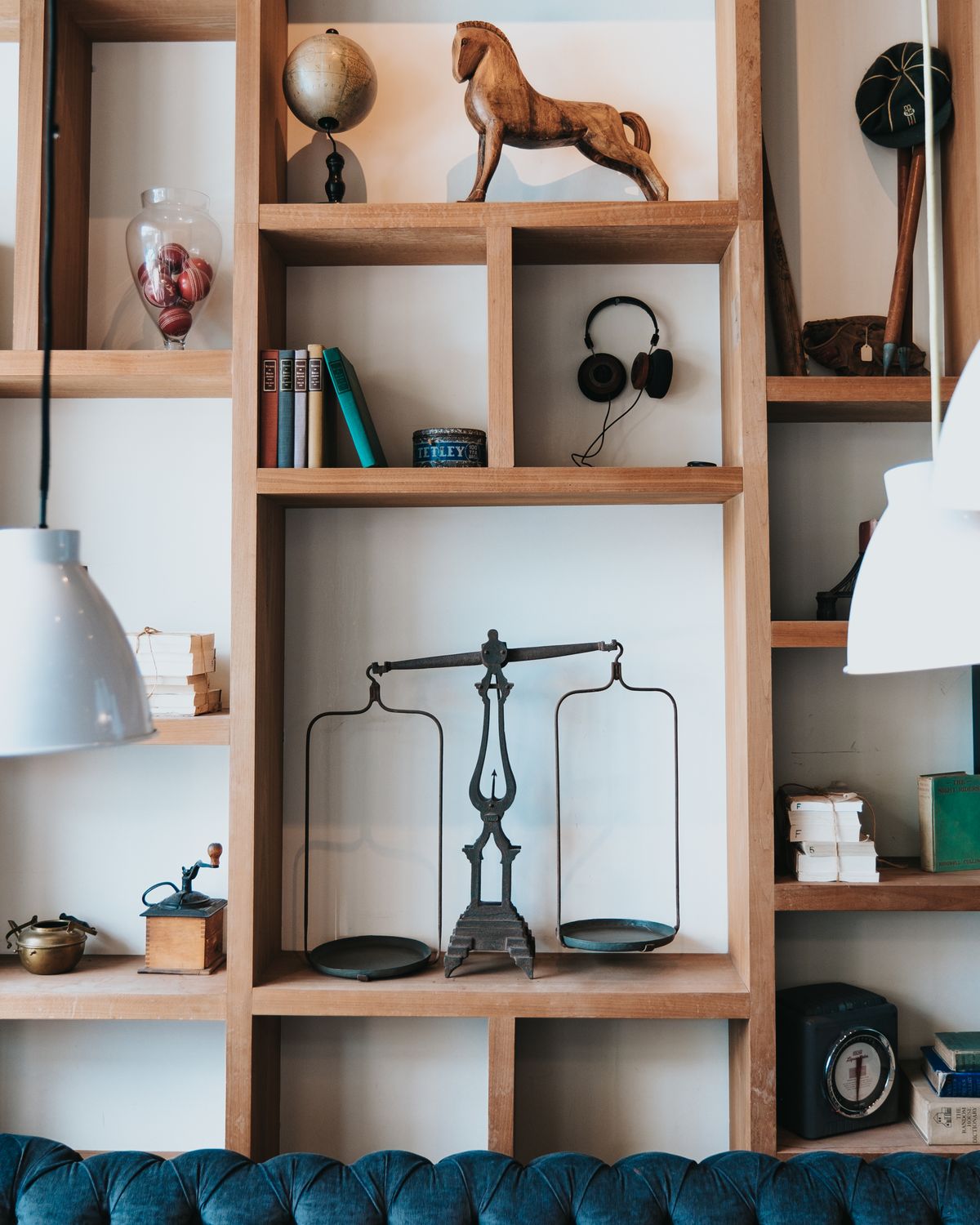
10. Keep Books, Not Clutter, Within Arm's Reach
A nook collects clutter fast: charging cables, mail, the book you finished last month. Give it a strict kit — current book, next book, a small basket for the throw, one charging cable — and a weekly reset where everything else leaves. A narrow wall pocket or a magazine holder beside the seat holds the current read without a table, and a tiny shelf above the window holds the books you are saving for next. The rule is simple: if it is not for reading, it does not live in the nook.
11. Use the Window Ledge as a Rotating Display
The ledge behind or beside your seat is free display space: a small plant, a candle, a framed photo, rotated with the seasons. Keep it to three objects or fewer, because a crowded ledge blocks light and collects dust, and choose things that survive sun — trailing plants and ceramics, not photographs that fade. A plant on the sill also does quiet work: it softens the window frame and makes the nook feel alive even when you are not sitting in it.
12. Claim an Overlooked Window: Landing, Kitchen, Hall
The best window nook in a small flat is often not in the living room at all: the landing window with a wide sill, the kitchen window above the sink with a stool tucked under it, the hallway window with a narrow bench. These windows are overlooked because nobody thought of them as seats, which means they are free. A cushion, a light, and a small shelf are all it takes, and a nook you pass every day gets used more than a perfect one in a room you rarely enter. If you love the reading-corner idea in general, our cozy reading corner ideas for any room cover chairs, lamps, and corners beyond the window.

Conclusion: Let the Window Do the Work
A window reading nook succeeds when you stop fighting the window and start using it: its light, its ledge, its frame, and the quiet boundary it draws around a seat. Start this weekend with the cheapest version — a cushion on the sill, a lamp, a book — and add the bench, the shelves, and the storage only if the nook earns them by getting used. The best seat in a tiny apartment is very often the one that was already there, waiting by the window.



0 Comments