
12 Tiny Apartment Entryway Mirror Styling Ideas That Make a Small Hall Feel Bigger
An entryway mirror is the hardest-working object in a tiny apartment: it bounces light into a dark hall, doubles the sense of space, lets you check yourself on the way out, and — styled well — turns a blank wall by the door into a designed moment. Styled badly, it is just a reflective rectangle that shows the clutter behind you. These 12 ideas cover size, shape, height, framing, and what to put around the mirror, so a small entry feels brighter, calmer, and genuinely bigger the moment you walk in.
1. Hang the Mirror at Eye Level, Not Above It
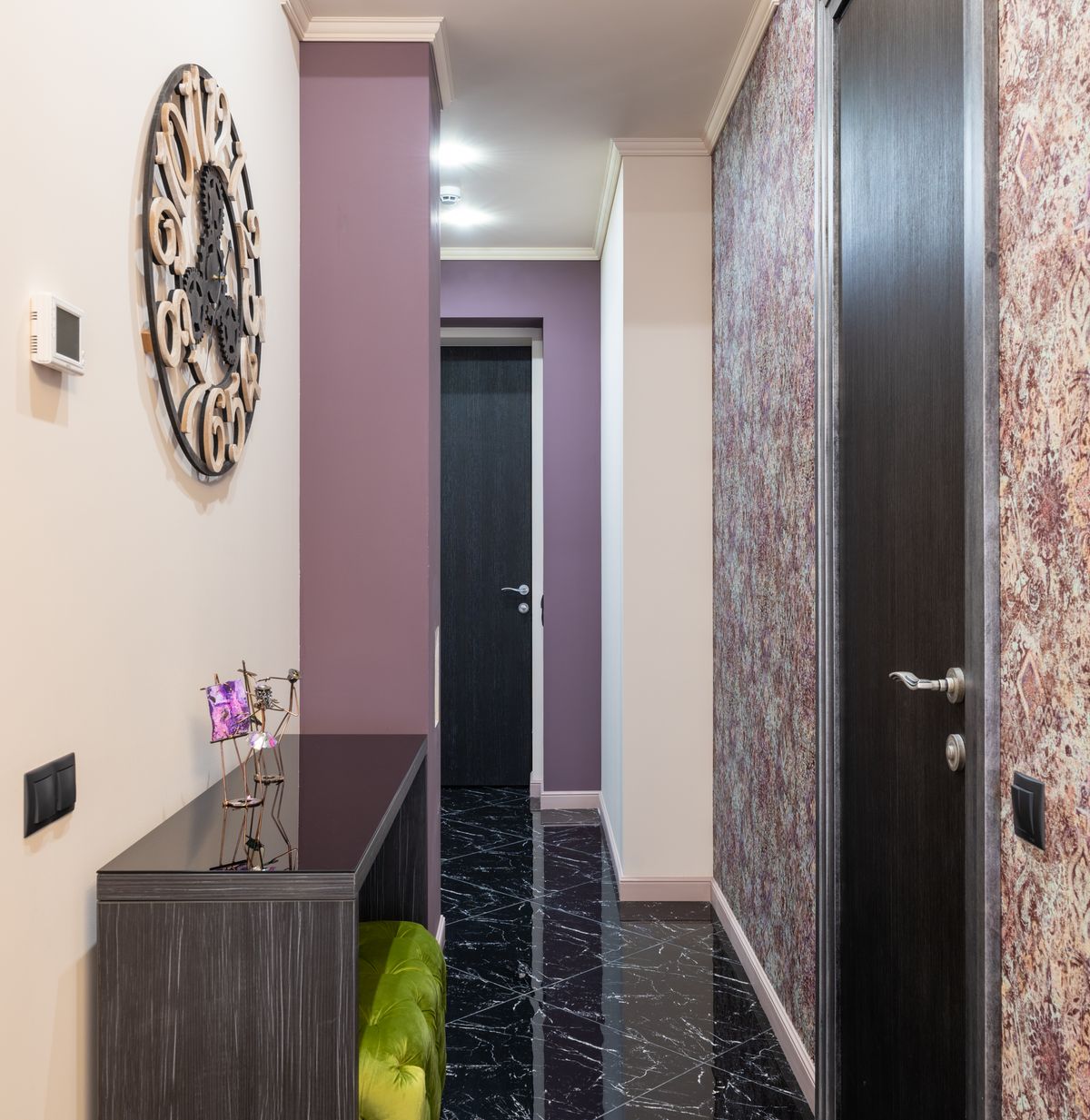
The single most common entryway mirror mistake is hanging it too high, as if it were art. A mirror's job is to reflect you, so its centre should sit at about 150–160 cm from the floor — average eye level — not at picture height. Stand in the spot where you actually check yourself, usually by the door, and mark the centre before you drill. A mirror hung for the room, not for the person, is decoration; a mirror hung at eye level is a tool you use every day.
2. Go Big: One Large Mirror Beats Three Small Ones
In a tiny entry, one large mirror — at least 60 cm wide — opens the space far more than a cluster of small mirrors, which chop the wall into fragments and read as clutter. A single generous mirror reflects the whole room, doubles the light from the nearest lamp or window, and gives the hall a focal point. If budget is tight, a plain large mirror from a discount store with a painted frame looks far more expensive than three small decorative ones.
3. Choose a Round Mirror to Soften a Narrow Hall
A round mirror is the classic small-entry choice for a reason: its curves soften the hard rectangle of a narrow hall, it has no corners to catch your eye, and it pairs naturally with a slim console or a round bowl underneath. Hang a round mirror above a narrow console and you have the entryway formula that designers return to again and again — simple, calm, and impossible to get wrong. Keep the diameter in proportion: about two-thirds the width of the console below it.
4. Use an Arched Mirror for Height in a Low Entry
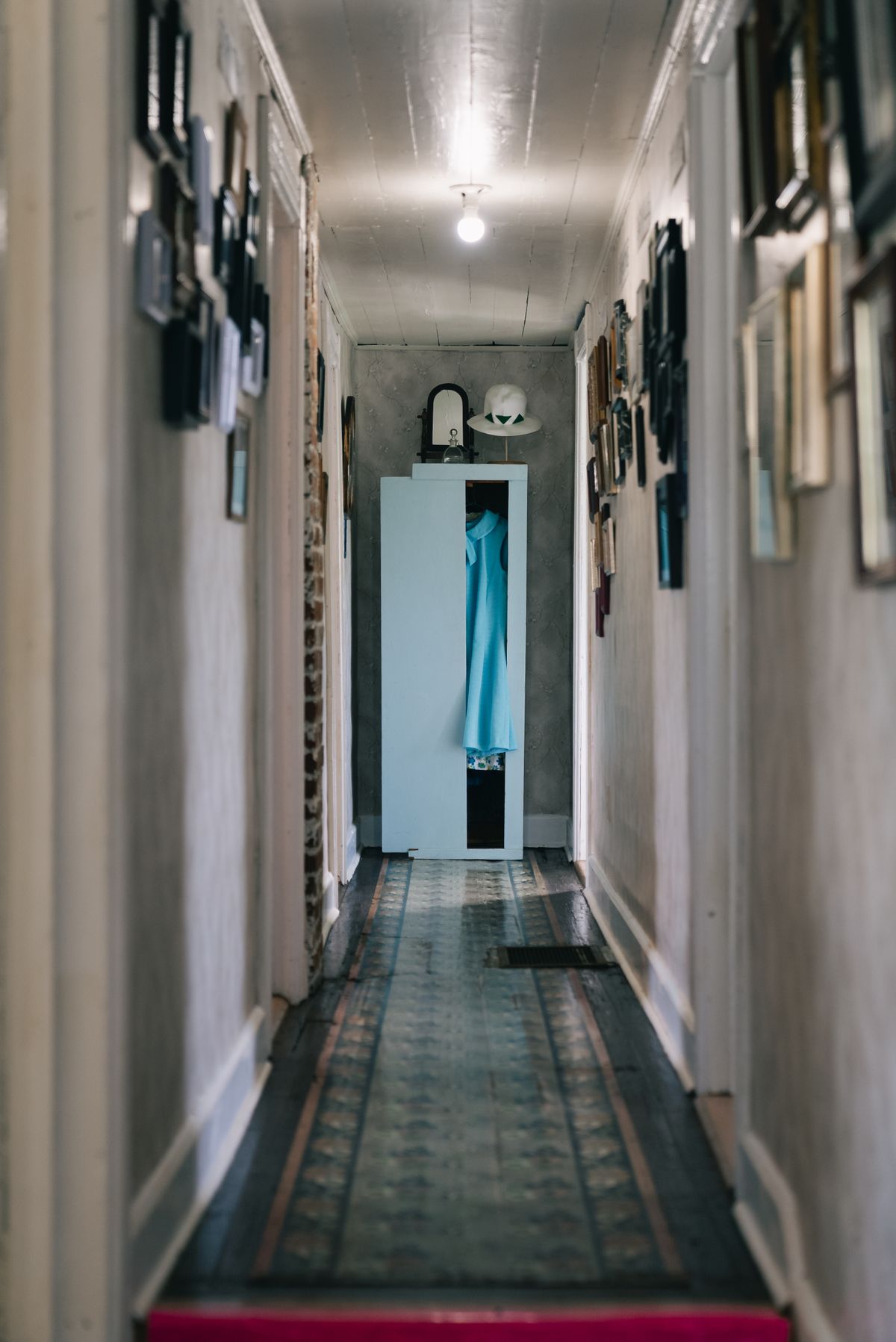
An arched mirror draws the eye upward, which is exactly what a low-ceilinged entry needs: the arch suggests a doorway, adds a sense of height, and feels softer than a hard rectangle. Lean a tall arched mirror against the wall if you are renting — a leaning mirror needs no drilling, can move with you, and reflects more of the room from floor level. Anchor it at the top with a discreet wall strap so it cannot slide, especially in a hall where bags and coats bump past it daily.
5. Place the Mirror Opposite a Window or Lamp
A mirror only doubles light if it has light to double. Hang it opposite, or at a right angle to, the nearest window or the entry lamp, and it will throw that light deep into the hall; hang it on a dark wall facing another dark wall and it reflects darkness. If your entry has no window, put the mirror opposite the living-room doorway so it borrows light from the next room. Test the placement at night too — a mirror that glares under a bare bulb needs a shaded lamp, not a new position.
6. Pair the Mirror With a Slim Console, Not a Deep Table
The mirror's partner matters: a console deeper than about 30 cm turns a narrow entry into an obstacle course, while a slim console gives you a landing spot for keys and mail without blocking the path. The console should be narrower than the mirror above it, so the mirror reads as the anchor and the table as its base. A wall-mounted shelf does the same job in the tightest halls — a 20 cm deep shelf, a bowl, a hook, done. For the full entryway system around the mirror, see our small entryway decor ideas, which cover consoles, benches, and storage in the same small space.
7. Add a Sconce or Clip Light Beside the Mirror
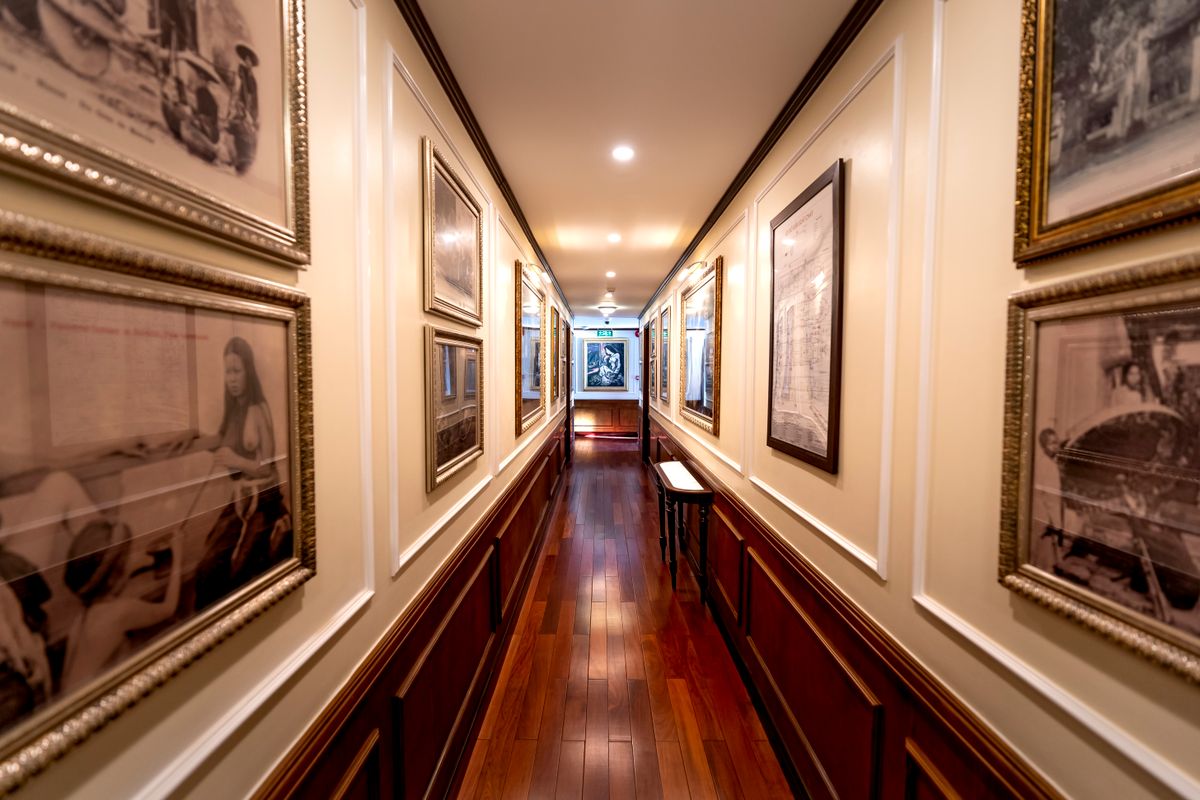
A mirror in a dark entry is a dark rectangle. A small sconce, a battery puck light, or a clip-on lamp beside the mirror changes everything: it lights your face for that last check, makes the mirror glow, and turns the entry into a warm welcome instead of a tunnel. Warm-white light flatters faces and rooms alike; a cool white bulb in a tiny hall feels like an office. If wiring is not an option, battery sconces with a remote are renter-friendly and look wired once they are up.
8. Frame It to Match the Door Hardware, Not the Furniture
A mirror frame that matches the door handles, hooks, and light fittings — brass with brass, black with black, wood with wood — ties the entry together without trying. Matching the furniture instead usually fails, because entry furniture is a mix of styles anyway. One metal, repeated three times (mirror frame, hooks, lamp), is the quietest way to make a hall feel designed. If your hardware is mixed, a simple black or natural-wood frame is the safe choice that goes with everything.
9. Keep the Reflection Tidy: Style What the Mirror Sees
A mirror doubles whatever is opposite it, including clutter. Before you hang it, stand where the mirror will go and look at what it will reflect: the coat pile, the shoe rack, the open kitchen? Style that view first — a plant, a framed print, a tidy shelf — because the mirror will show it twice. This is the secret of mirrors in small flats: they do not just reflect the room, they edit it, and the edit only works if the reflected side is the room's best side.
10. Layer a Small Plant or Vase Under the Mirror
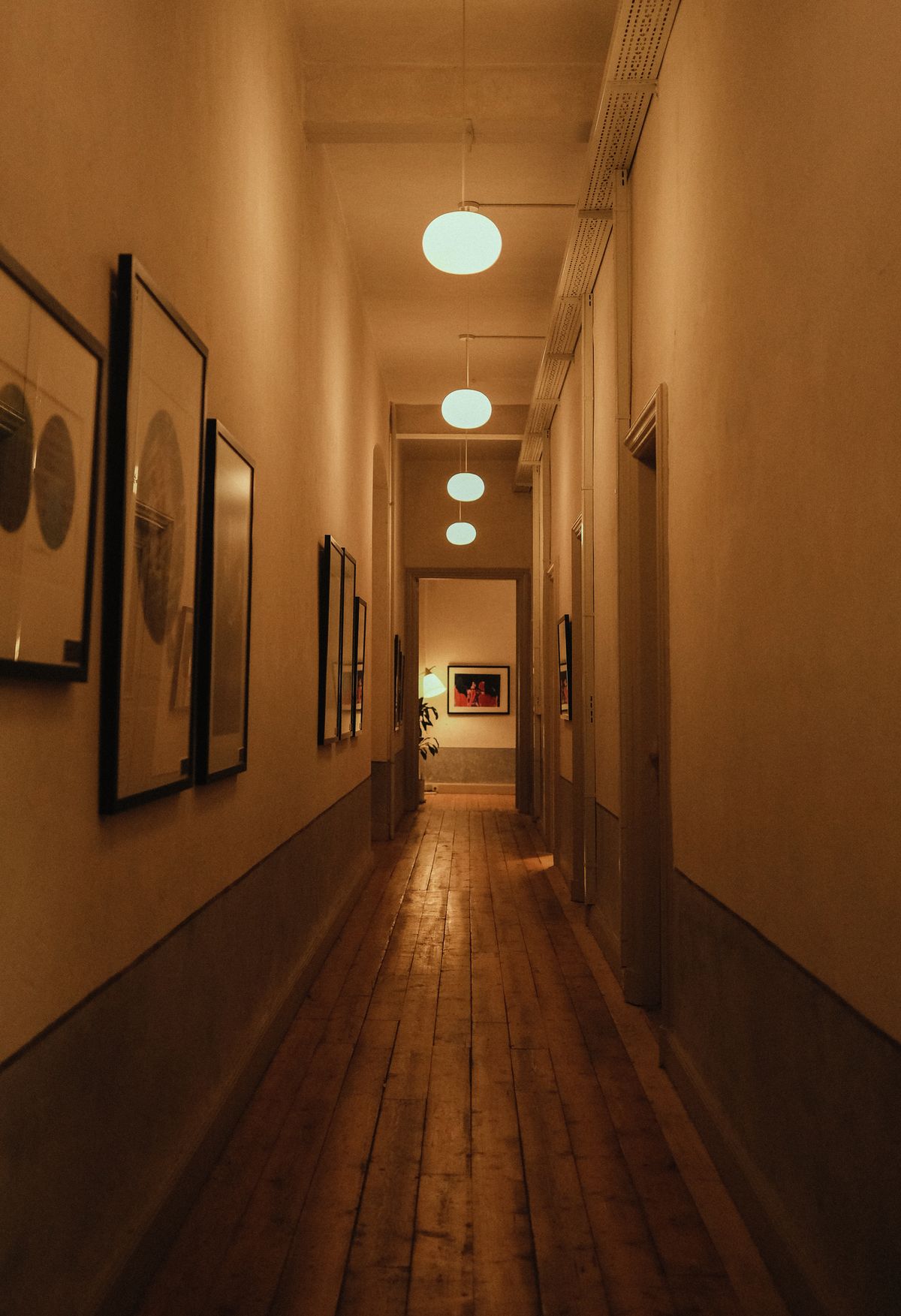
A mirror above a bare console can feel cold; one small living thing underneath it — a trailing plant, a vase with eucalyptus, a tiny stack of books — warms it instantly. Keep the arrangement low so it does not block the mirror's lower edge, and keep it to one or two items: a console crowded with objects defeats the calm the mirror creates. A plant also gives the mirror something green to reflect, which reads as life in a hall that otherwise has none.
11. Use a Mirrored Cabinet Door for Storage and Reflection
In the tightest entries, a mirror that is also a cabinet is the smartest buy: a shallow mirrored wall cabinet above the console hides keys, sunglasses, dog leads, and mail behind a reflective door, so storage disappears into the mirror itself. Choose a cabinet no deeper than 15 cm so it does not jut into the walkway, and keep its contents to the things you grab on the way out. It is the entryway equivalent of a medicine cabinet — boring, useful, and quietly transformative.
12. Clean It Weekly and Check It From the Door
A smudged entry mirror is worse than no mirror: it draws the eye to fingerprints and dust instead of to light and space. A weekly wipe with glass cleaner and a microfibre cloth takes thirty seconds and keeps the mirror doing its job. And once a month, stand at the front door and look at the mirror as a visitor would — is it straight, is the reflection tidy, is the light still warm? A mirror is a living part of the entry, not a fit-and-forget object, and a minute of attention keeps it working. For the drop-zone system that keeps the area under the mirror tidy, see our small apartment mudroom drop zone ideas, which handle keys, bags, and shoes in the same few square feet.


Conclusion: A Mirror Is a Room, Doubled
Done well, an entryway mirror does not just decorate a small hall — it gives you a second hall, brighter and calmer than the first. Hang it at eye level, make it big, put light opposite it, and keep its reflection tidy, and the smallest entry in the building will feel like a designed entrance. Start with the mirror you already own, moved to the right height and the right wall, and you may find the entry was never small at all — it was just badly reflected.



0 Comments