
13 Small Bathroom Lighting Ideas That Make a Tiny Bathroom Feel Bigger
A tiny bathroom does not feel small because of its floor area — it feels small because of its shadows. One harsh ceiling bulb creates dark corners, unflattering mirror light, and a cave-like mood that makes the whole room shrink. The fix is not a renovation: it is layering light. When you combine a bright, even mirror light with soft ambient glow and a few reflective surfaces, the walls seem to step back and the room feels twice its size. The thirteen ideas below work in rentals as well as owned homes, with budgets from under $15 to a few hundred dollars, and most need no electrician. Start with the mirror, because that is where bad lighting hurts most, then add one layer at a time until the room feels open, calm, and easy to use.
1. Sconces on Both Sides of the Mirror
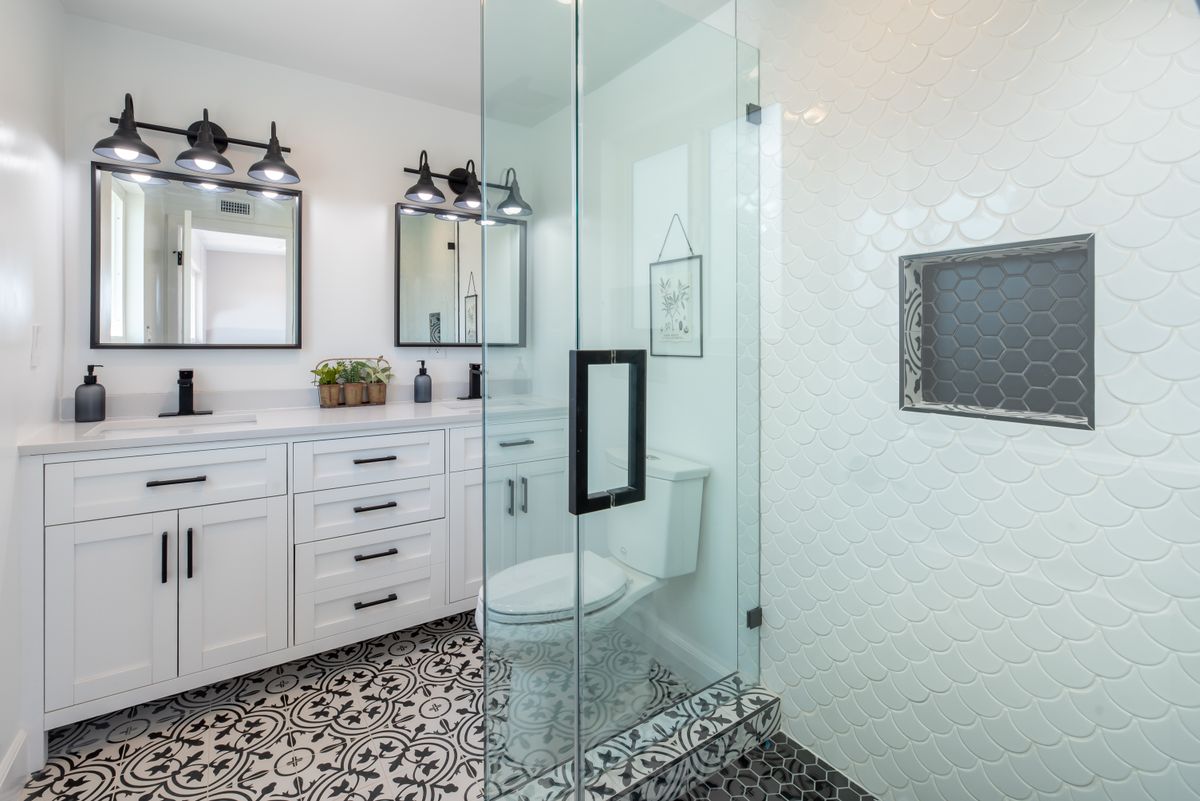
The single best lighting upgrade for any bathroom is a pair of sconces flanking the mirror at eye level, about 60–65 inches from the floor and 28–30 inches apart. Light coming from both sides fills in the shadows under your chin and beside your nose that a single overhead bulb creates, so your face looks natural instead of tired. In a tiny bathroom, choose slim sconces that project no more than 4 inches from the wall, in a finish that matches your faucet. Plug-in or battery sconces with adhesive mounts cost $25–$60 a pair and are fully renter-friendly, while hardwired versions run $60–$150 plus installation. Keep the bulbs at 2700–3000K warm white for a flattering, spa-like glow.
2. A Backlit LED Mirror
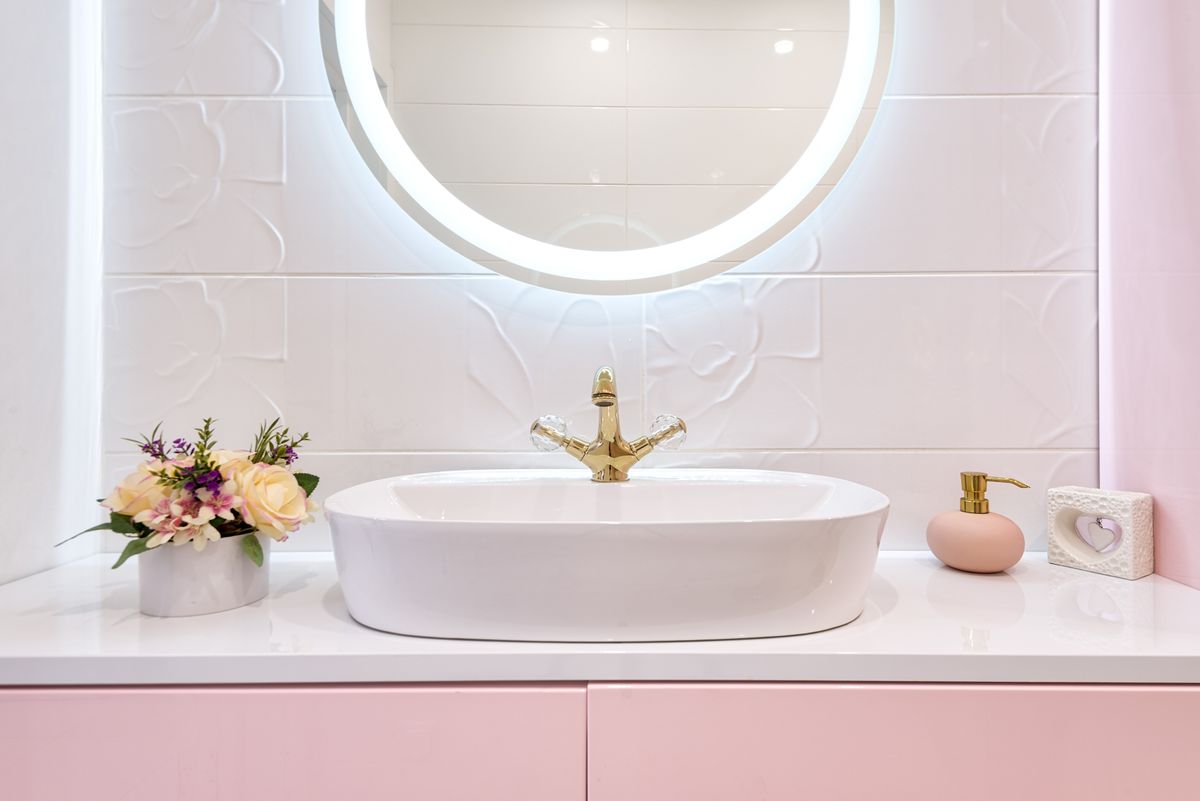
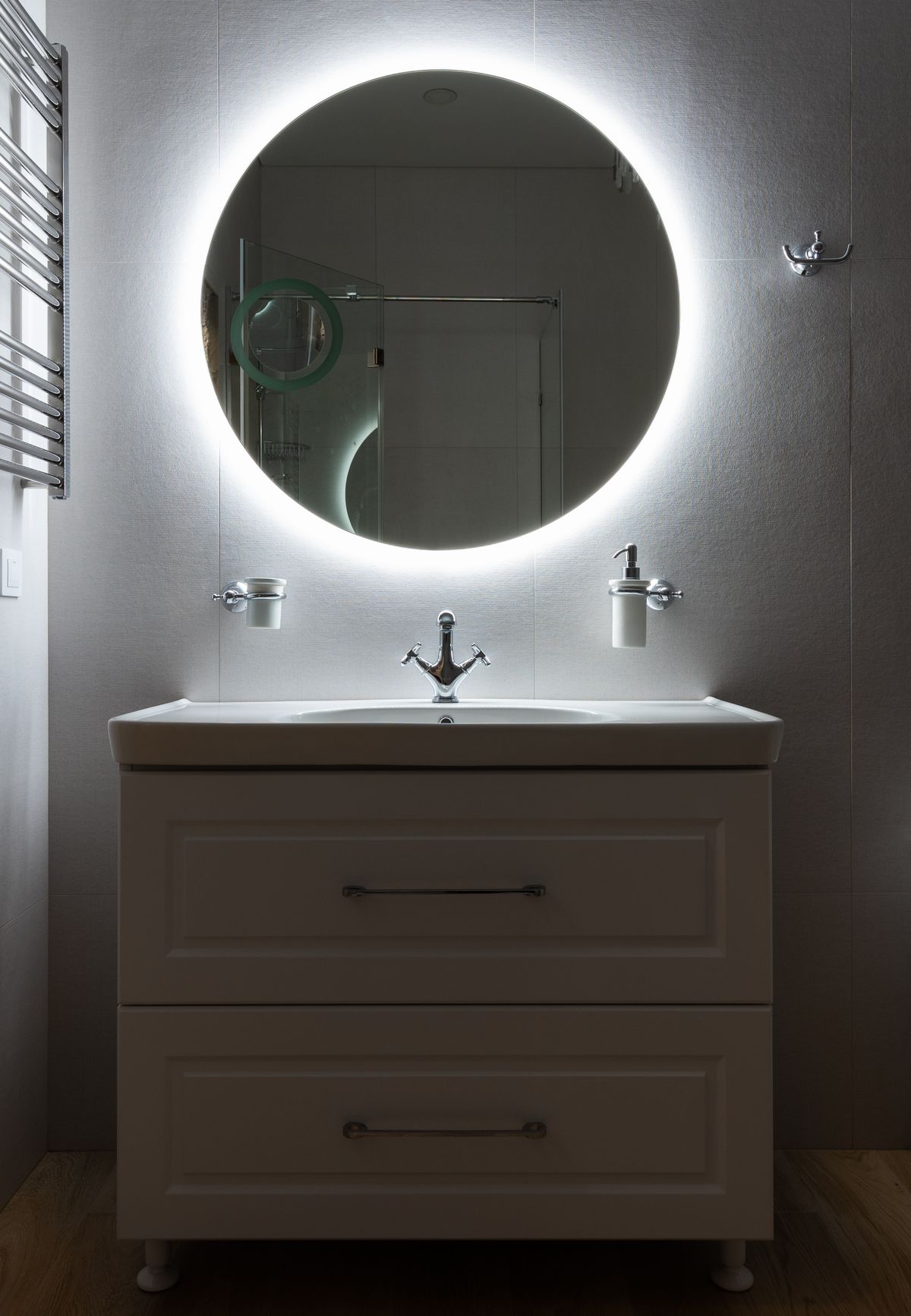
A backlit mirror glows around its edges, throwing soft light onto the wall behind it and making the mirror itself look like it floats. That halo effect erases the hard boundary between mirror and wall, which is exactly what a small room needs to feel larger. Most backlit mirrors are 20–24 inches wide for a single sink, plug into an existing outlet or wire into the old light-box, and cost $80–$200. Look for a dimmable model with a color-temperature switch (warm to daylight) and an anti-fog pad if your bathroom steams up. If you rent, choose a plug-in version and hang it on the existing mirror hooks — no wiring changes, and it comes with you when you move.
3. A Light Bar With Frosted Shades
If your bathroom already has a light bar above the mirror, swapping bare bulbs for frosted shades is a five-minute upgrade with a big payoff. Frosted glass or opal acrylic diffuses the light so it spreads evenly instead of throwing hard spots and glare onto the mirror. Choose a bar with three small globes rather than one large bulb, spaced across the mirror width, and fit LED bulbs at 800 lumens total for a small room. A new frosted bar costs $40–$90, and replacement shades alone can be under $20. Avoid exposed Edison-style bulbs here: they look charming in a living room but cast striped shadows across your face in a bathroom.
4. Layer the Ceiling Light, Don't Replace It
Most tiny bathrooms have one ceiling fixture, and the mistake is expecting it to do everything. Instead, keep it as your ambient layer and add two smaller layers at face and floor level. A flush-mount ceiling light with a dimmer gives you bright light for cleaning and soft light for a bath, while sconces and a nightlight handle the rest. If your ceiling fixture cannot take a dimmer, swap its bulbs for smart bulbs ($15–$30 each) and control brightness from your phone. Aim for about 50–75 lumens per square foot in total: a 40-square-foot bathroom needs roughly 2,000–3,000 lumens across all fixtures, not from one blinding bulb.
5. Put Light Under the Vanity
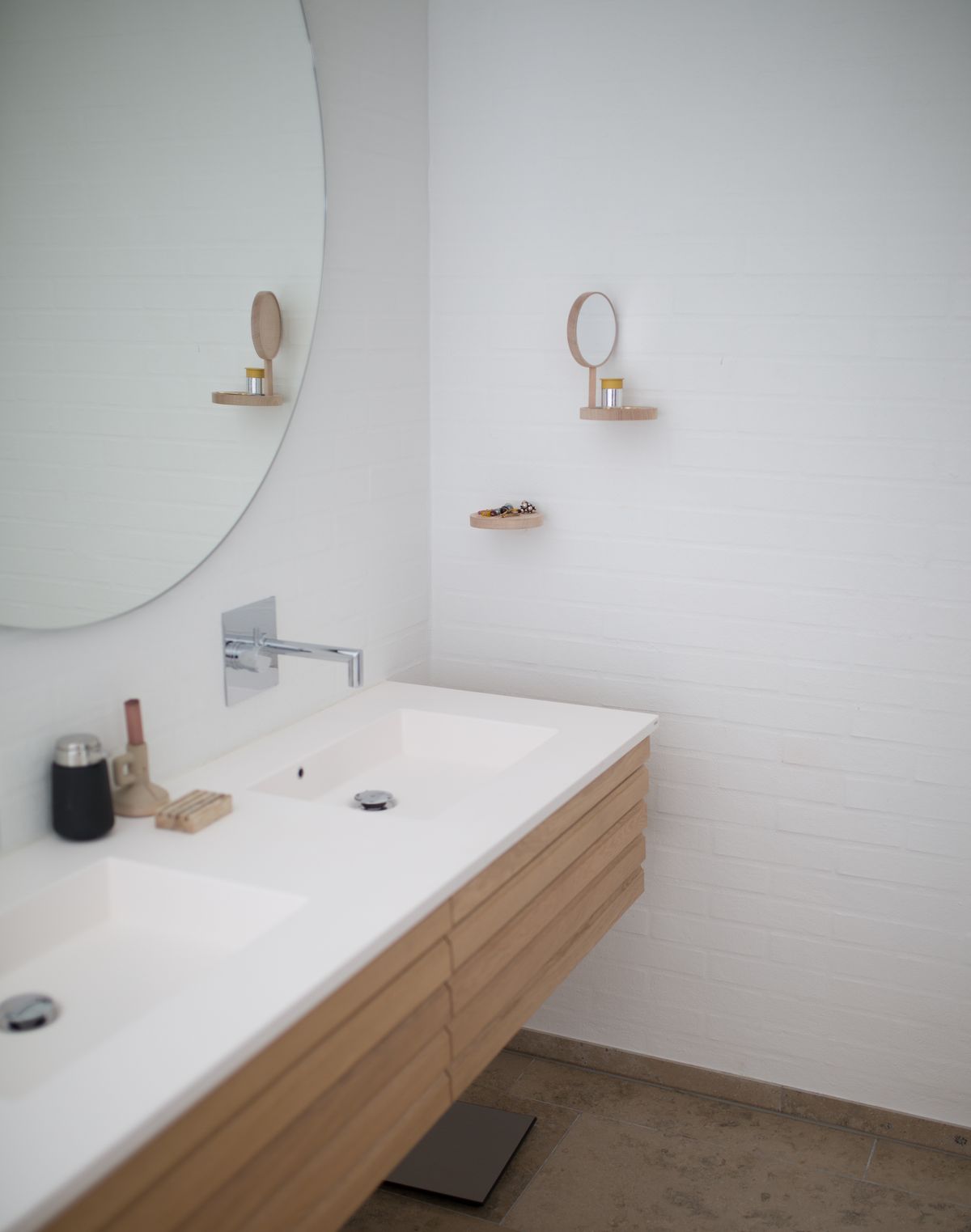
A strip of warm LED tape under a floating vanity makes the floor glow and the vanity look lighter, which tricks the eye into reading more floor space. The effect is subtle but powerful in a room under 50 square feet, where every visual break matters. Battery-powered LED strips cost $12–$25, stick on with adhesive, and run on a remote or motion sensor; plug-in versions are brighter and cost about the same. Choose warm white (2700K) and hide the strip behind the vanity lip so you see the glow, not the dots. This is also a perfect nightlight: it guides you without waking you fully, and it never shines directly into your eyes.
6. Brighten the Shower With a Waterproof Recessed Light
A dark shower corner makes a bathroom feel like two cramped rooms instead of one open one. A single waterproof recessed light or a shower-rated LED panel above the shower brings that corner into the room and makes tiles and glass sparkle. Battery-powered, stick-on shower lights cost $15–$30 and are renter-safe, while a hardwired recessed fixture costs $60–$120 installed if wiring already exists. Choose a cool-neutral 3500–4000K bulb here, because you want true color for shaving and skin checks, and look for an IP65 rating or higher so steam and spray are no problem. Keep the light centered over the shower, not over the curtain rod, to avoid harsh shadows.
7. Use a Magnifying Mirror With Its Own Light
A lighted magnifying mirror solves two problems at once: close-up grooming and extra face light. A 7- or 8-inch round mirror with a ring light gives shadow-free illumination for makeup, shaving, and skincare, even if the room's main lighting is poor. Wall-mounted swing-arm versions ($40–$90) fold flat against the wall when not in use — ideal for a tiny bathroom — while suction-cup travel versions cost under $25. Choose a model with adjustable brightness and a warm-to-daylight switch, and mount it at eye level beside the main mirror rather than above it, so the light hits your face from the front. This is a renter-friendly upgrade that moves with you.
8. Bounce Light Off a Big Mirror
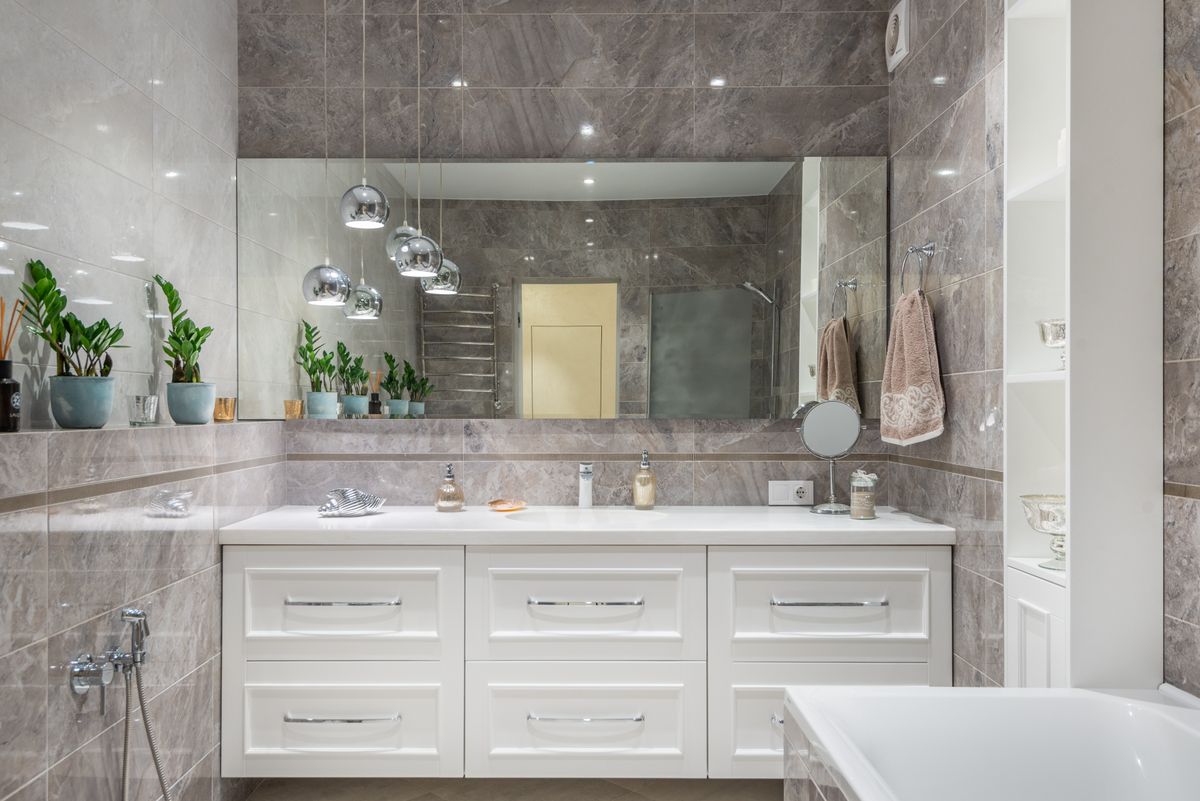
Light and mirrors are a team: a larger mirror reflects more light around the room and doubles the sense of space. If your bathroom mirror is smaller than your vanity, upgrading to a mirror that spans the full vanity width — typically 24–30 inches in a small bathroom — is one of the cheapest visual expansions you can buy. Frameless mirrors reflect the most light, while a thin metal frame adds style without bulk. Budget $40–$120, and hang the mirror so its center sits at eye level, about 60 inches from the floor. Pair it with sconces or a backlit edge, and the mirror stops being a decoration and becomes a second light source.
9. Add a Dimmable Nightlight Layer
A tiny bathroom used at night needs a completely different light level than the same room at 7 a.m., and a dimmer is what makes one room serve both. Plug-in dimmable nightlights, LED strips on a dimmer remote, or smart bulbs set to 10 percent give you enough light to move safely without destroying your sleepiness. Place the nightlight low — under the vanity, behind the toilet tank, or in an outlet near the floor — so the glow stays below eye level. This costs under $20 and is the upgrade guests notice most, because a bathroom that is gentle at 2 a.m. feels thoughtfully designed rather than merely functional.
10. Let Daylight In With Privacy Glass Film
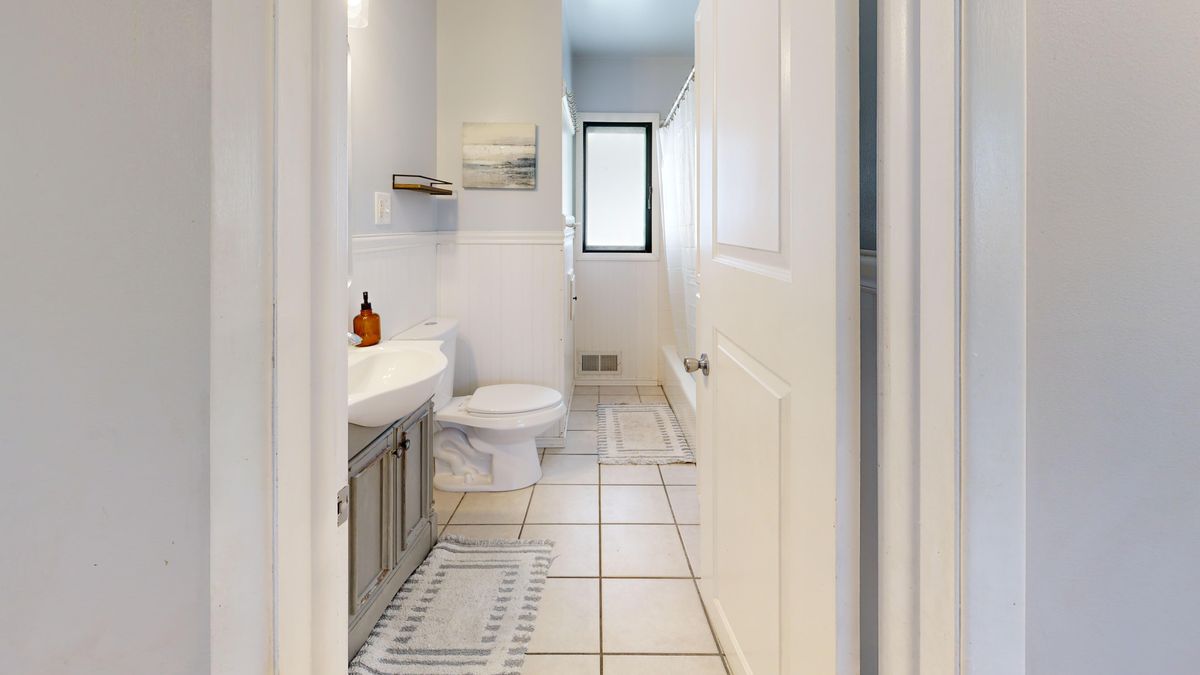
Natural daylight is the most flattering and space-expanding light there is, and many tiny bathrooms waste it behind a closed blind or a frosted window that blocks half the light. Static-cling privacy film ($12–$25 per window) lets daylight flood in while keeping the room private, and it peels off cleanly when you move out. Choose a lightly frosted or reeded pattern rather than a heavily patterned one, so the window still reads as bright. Pair the film with a white or pale shower curtain and light wall color, and the room will feel noticeably larger on sunny days. If your bathroom has no window, a daylight-mimicking bulb (5000K) in the ceiling fixture gives a similar, if smaller, lift.
11. Choose the Right Color Temperature — and Stick to It
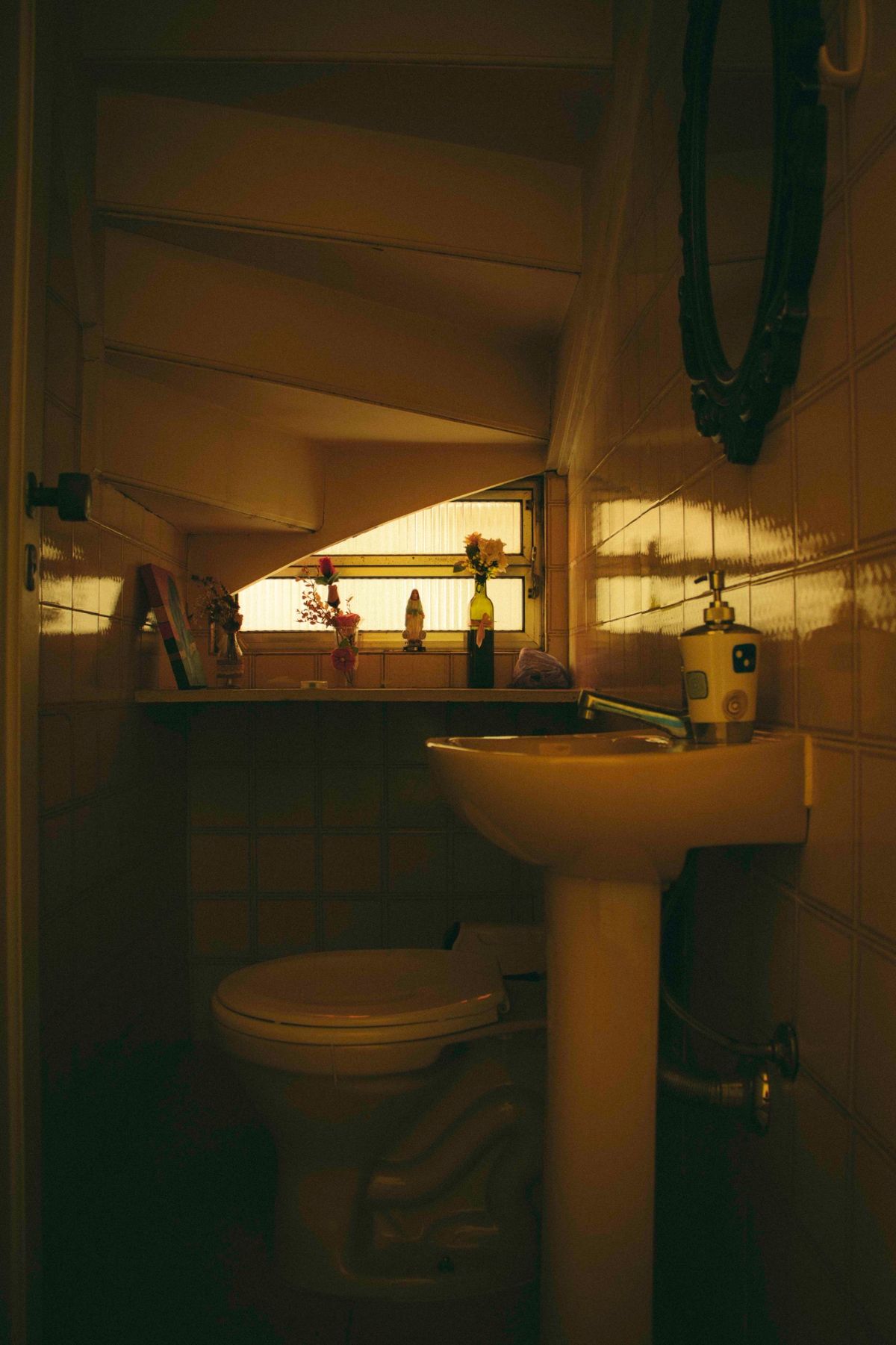
Mixing warm and cool bulbs in one small room creates a patchwork effect that makes the space feel busy and smaller. Pick one temperature for the whole bathroom and use it everywhere: warm white 2700–3000K for a cozy, spa-like feel, or neutral 3500–4000K if you want crisp, true-color grooming light. The one exception is the shower, where a slightly cooler bulb is practical. Write the Kelvin number on a piece of tape inside the vanity door so every replacement bulb matches, and replace all bulbs at once when you change scheme — mismatched bulbs are the most common reason a bathroom looks "off" even after a remodel. LEDs in the right temperature cost no more than the wrong ones.
12. Highlight One Feature to Draw the Eye Up
In a small room, the eye needs somewhere pleasant to travel, and a small accent light gives it a destination. A tiny picture light over a framed print, a battery puck light inside a niche, or a slim LED strip above a shelf draws attention upward and outward, away from the cramped floor area. Battery puck lights cost $10–$20 for a set, stick on with adhesive, and run on a remote, so this is fully renter-friendly. Keep the accent light warm and dim — it should glow, not blaze — and limit it to one feature. Two or three competing accent lights in a tiny bathroom feel cluttered; one feels curated. If that feature is a chair, pair it with these cozy reading corner ideas for any room.
13. Keep Fixtures Small, Pale, and Reflective
Finally, the fixtures themselves matter: a bulky, dark light fixture visually eats space in a tiny bathroom, while a slim, pale, reflective one disappears. Choose fixtures in chrome, brushed nickel, or white, with glass or acrylic shades rather than opaque metal drums. A fixture that projects less than 5 inches from the wall and uses a slim profile keeps walkways clear and sightlines open. Clean the shades and mirror monthly — dust and water spots dim light more than you expect, and a clean fixture can look 20 percent brighter with no new purchase. In a small bathroom, brightness is often a cleaning habit as much as a buying decision.


Conclusion
A tiny bathroom feels bigger when light is layered, even, and flattering — not when a single bulb is brighter. Start this weekend with the highest-impact, lowest-cost change: frosted shades or matching bulbs in one color temperature. Next, add face-level light at the mirror, then a low glow under the vanity or a nightlight layer for evenings. Each layer costs little, most need no tools beyond a screwdriver, and renters can take nearly all of them to the next apartment. Do those three steps and your bathroom will not just look larger — it will be easier, kinder, and more pleasant to use every single day. For other low-cost room updates, see these budget bedroom makeover ideas under $50.



0 Comments