
14 Indoor Vertical Garden Ideas for Small Apartments (Plant Walls That Fit Any Wall)
A vertical garden is the only kind of garden that gets bigger without taking a single inch of floor space, which is why it is perfect for a small apartment. Instead of lining pots along a windowsill, you grow upward: on a wall grid, a shelf ladder, a pocket planter, or a rail of hanging pots. The result is a living wall that cleans the air, softens hard apartment surfaces, and turns a blank wall into the best-looking thing in the room. The fourteen ideas below are sized for renters and small spaces, with plant choices that survive real indoor light, watering routines that forgive a busy week, and budgets from under $20 to a few hundred dollars. Start with one wall, one system, and plants you can keep alive — a thriving small wall beats a huge struggling one every time.
1. The Pocket Planter Wall
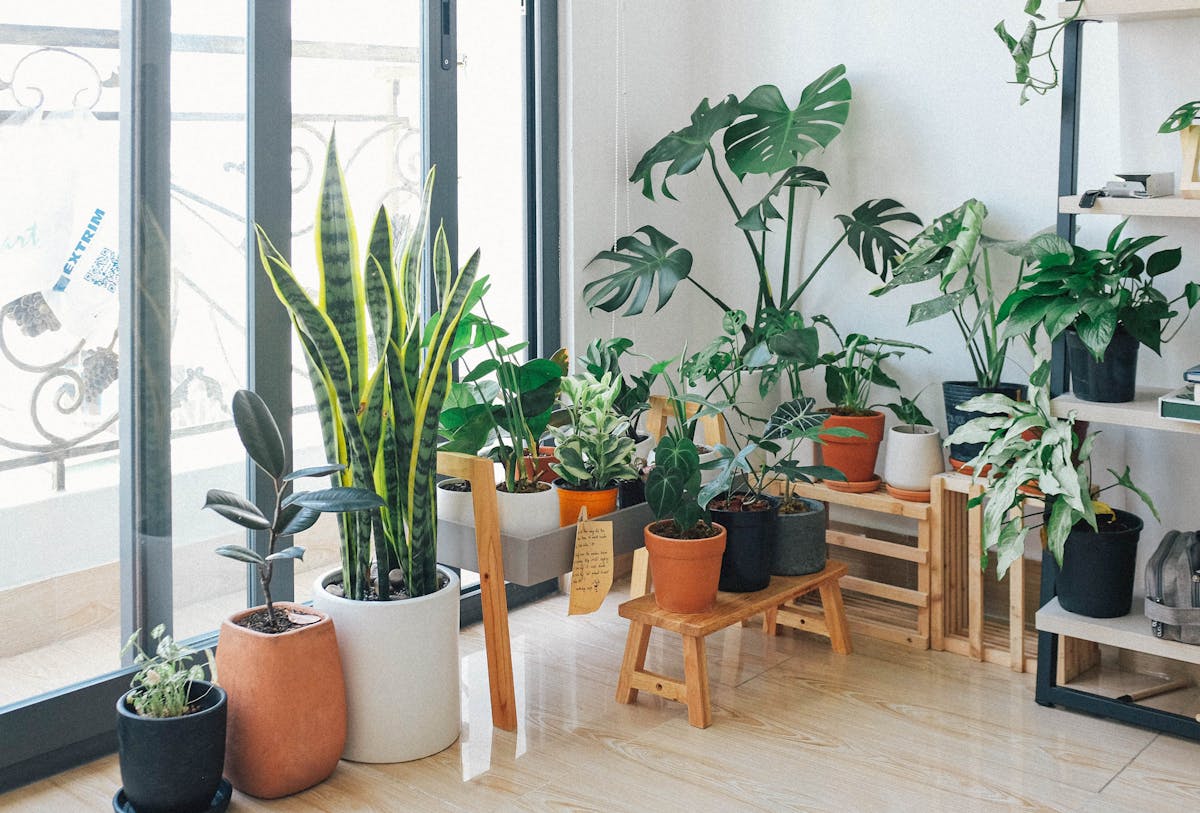
A fabric pocket planter is the easiest vertical garden to start and the kindest to a rental wall. A 12-pocket panel hangs from two hooks, holds one small plant per pocket, and covers about 24 by 36 inches of wall. Fill the top pockets with trailing plants like pothos that spill downward, the middle with upright plants like peperomia, and the bottom with herbs you use often. Budget $20–$40 for the panel plus $3–$6 per plant, and water slowly so each pocket drains into the one below rather than onto the floor. Line the back with a waterproof sheet if the wall is painted, and rotate the panel's plants every few weeks so growth stays even.
2. A Trellis Panel for Climbers
A wooden or metal trellis leaning against a wall gives climbing plants something to grip, and it needs no screws at all if you lean it securely. A 24-by-48-inch trellis suits a narrow wall beside a window, and plants like English ivy, heart-leaf philodendron, and hoya will climb it within a few months. Tie new growth loosely to the trellis with soft plant ties every 6 inches, and prune tips regularly to encourage branching rather than one long vine. Expect to spend $25–$60 for the trellis and pots, and place it where it gets bright indirect light — direct afternoon sun through glass can scorch leaves. This is a renter's favorite because the whole garden lifts off the wall in seconds.
3. Floating Shelves as a Plant Ladder
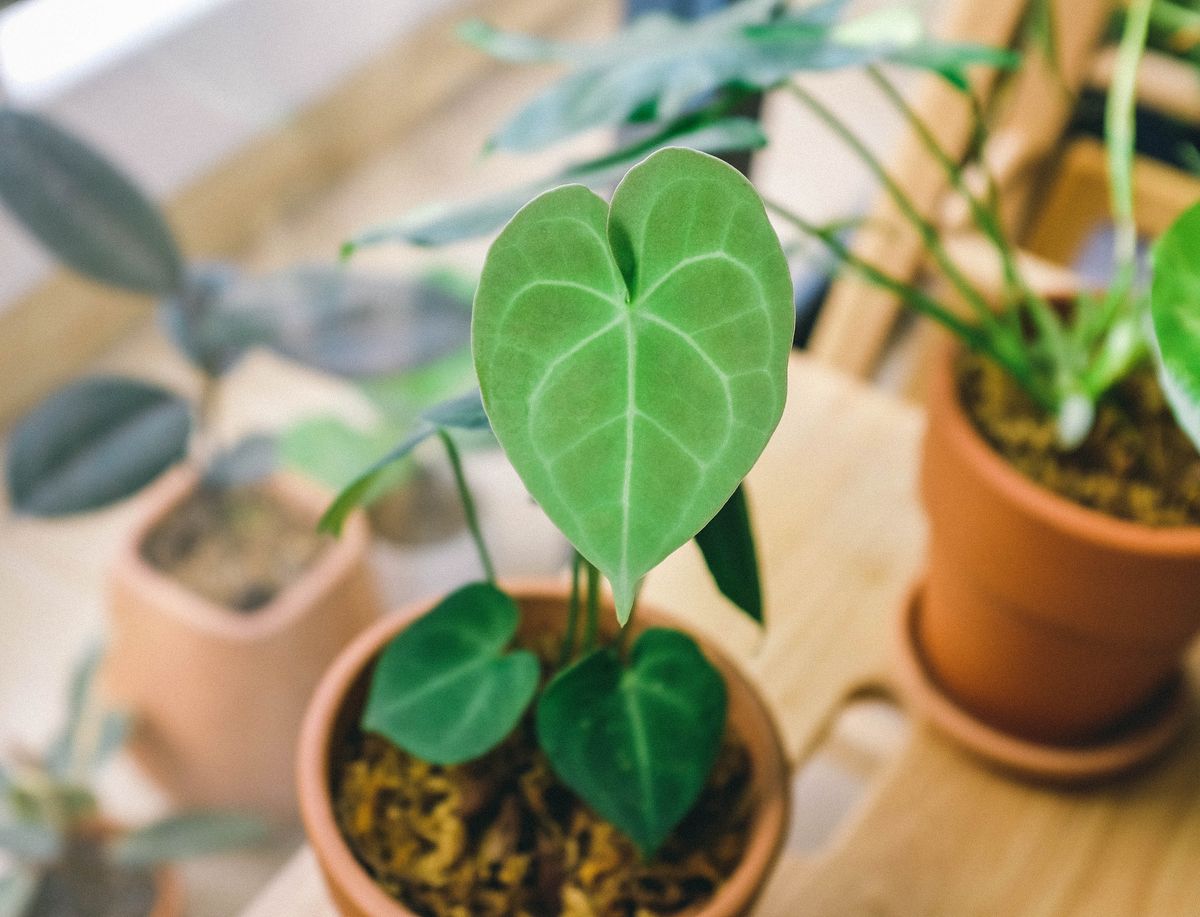
Three floating shelves staggered up a wall create a plant ladder that is as much display as garden. Use shelves 24–36 inches long and 8–10 inches deep, spaced 14–18 inches apart vertically so trailing plants have room to hang without covering the shelf below. Put heavy pots on the lowest shelf, light trailing plants on the top, and leave one shelf partly empty so the display breathes. Each shelf costs $15–$30, and renters can use adhesive-mounted shelves rated for the pot weight, checking the rating carefully — a falling shelf is the most common vertical garden accident. Water plants over the sink, not on the shelf, to protect the wall and the shelf finish.
4. A Rail System With Hanging Pots
A wall rail with S-hooks turns plant care into a five-minute job: lift a pot off, water it, hang it back. A 36-inch metal rail with six hooks costs $20–$35, mounts with two screws, and holds pots up to 6 inches in diameter. This system suits kitchens and bathrooms especially well, because herbs and humidity-loving plants live right where you use them. Keep pots at similar heights so watering is even, and use pots with drainage holes plus a small saucer or a cache pot so drips never reach the floor. If you rent and cannot drill, a tension-rod version between two walls or a rail that hangs from a picture rail achieves the same effect.
5. The Pallet Wall Garden
An old wooden pallet, sanded and lined with landscape fabric, becomes a rustic vertical garden for under $30 — often free if you find a clean, heat-treated pallet marked "HT." Stand it upright against a wall, fill the slat pockets with soil, and plant herbs, succulents, and small ferns in rows. Pallet gardens suit balconies and bright indoor walls, but they are heavy when watered, so keep the pallet on the floor rather than hanging it, and place a tray underneath. Avoid chemically treated pallets, and seal the wood with a clear outdoor finish if the garden will get wet often. The result looks handmade in the best way, and it holds a surprising number of plants in a 40-by-48-inch footprint.
6. A Moss Pole for Monstera and Philodendron
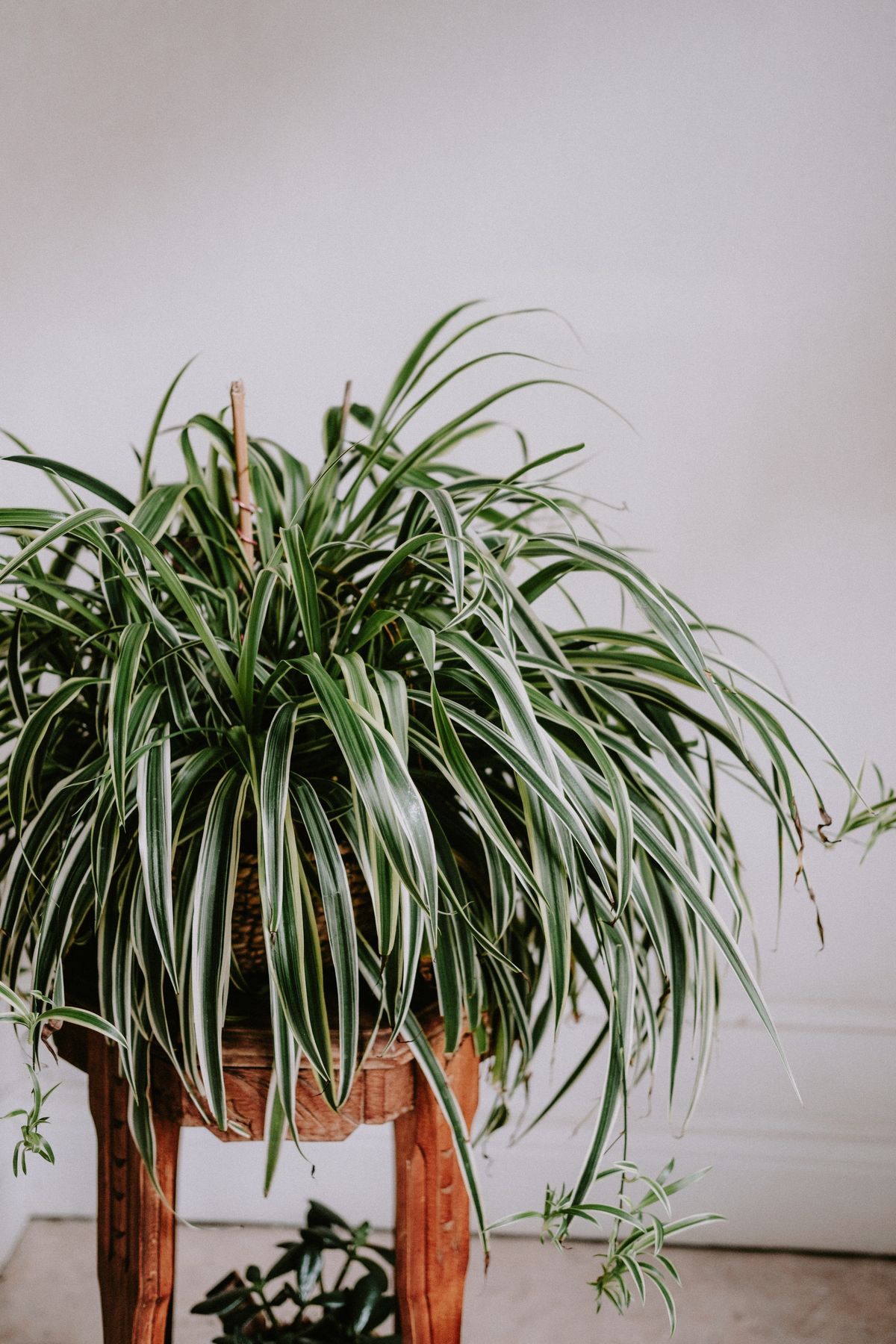
Climbing plants grow larger, healthier leaves when they have something to climb, and a moss pole is the classic support. A 24- to 36-inch moss pole ($12–$25) pushed into the pot of a monstera or philodendron gives aerial roots something to grip, and misting the pole weekly encourages the plant to attach. Within a year, leaves can double in size compared with a trailing plant, because climbing mimics how these plants grow in nature. Keep the pole damp but not soggy, rotate the pot a quarter turn each week for even growth, and extend the pole with a second section when the plant outgrows the first. This single-plant vertical garden fits a corner that a wall system cannot.
7. A Living Picture Frame
A living frame — a shallow box, 16 by 20 inches, planted with succulents or small ferns and hung like art — turns a plant wall into a piece of decor. Build the frame 3–4 inches deep with a mesh front to hold soil, plant tightly so roots knit together, and let it lie flat for two weeks before hanging so plants root in place. Water by laying the frame flat and misting or dripping water slowly, then hang it again once it stops dripping. A finished frame costs $40–$80 to make, needs bright indirect light, and suits a hallway or bathroom wall where a larger system would overwhelm the space. Succulents are the safest choice because they forgive infrequent watering.
8. Stacked Planters in a Corner
Stackable planters solve the awkward apartment corner that is too narrow for a shelf and too dark for a floor plant. A three- or four-tier stacking planter occupies about 12 inches square on the floor but gives you four growing levels, with water draining from tier to tier. Plant trailing varieties on the top tier so they cascade over the sides, and compact plants below so they are not shaded out. A stacking set costs $25–$50, works indoors and on balconies, and moves as one piece when you rearrange. Keep the stack near a window and rotate it weekly, because the side facing the room otherwise grows faster than the side facing the wall.
9. A Kitchen Herb Wall
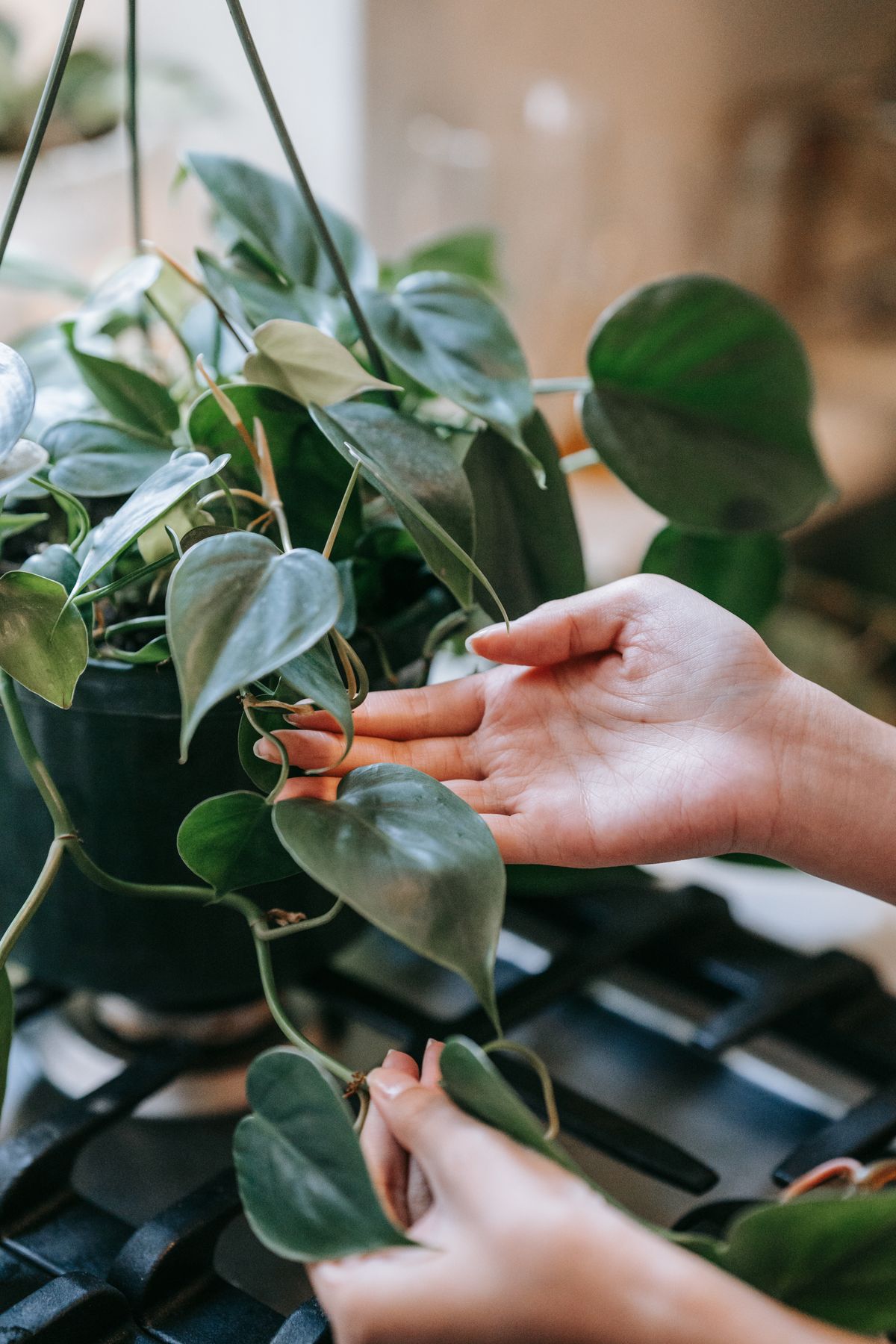
A vertical herb wall beside the stove or sink is the most useful garden a small apartment can have. A rail, pocket panel, or row of small pots holding basil, mint, parsley, chives, and thyme gives you fresh herbs within arm's reach while cooking, and herbs are among the most forgiving vertical plants. Give herbs at least four hours of bright light a day — a sunny windowsill wall or a $20 grow-light strip if your kitchen is dark — and harvest regularly, because cutting encourages bushy growth. Keep mint in its own pot, since it spreads aggressively, and water herbs when the top inch of soil feels dry. A herb wall pays for itself within a season if you cook often. For more small-kitchen storage ideas, see these tiny kitchen organization ideas you will want to copy.
10. A Bathroom Fern Wall
Bathrooms are secretly ideal for vertical gardens because steam-loving plants thrive in humidity that would trouble other rooms. Boston ferns, maidenhair ferns, and pothos all love a bright bathroom wall, and a small pocket panel or rail near — but not inside — the shower keeps them humid without drowning them. Choose a wall that gets indirect light from the window or the bathroom light, and avoid placing plants directly above a radiator or heat vent. Water ferns when the soil surface feels slightly dry, mist them twice a week, and trim brown fronds at the base to keep the wall looking lush. A fern wall turns the smallest bathroom into a green retreat.
11. Macramé Hangers at Different Heights
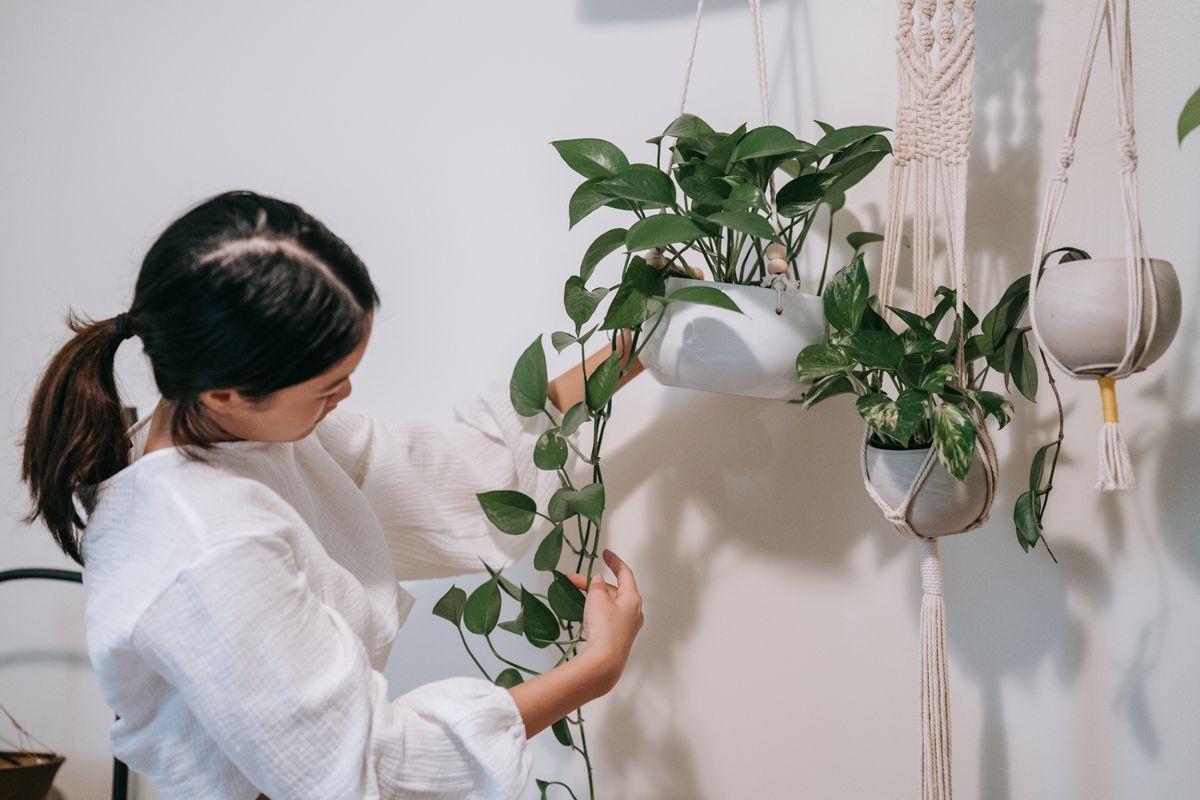
A cluster of macramé hangers at staggered heights creates a vertical garden from the ceiling down, using no wall space at all — perfect for renters and for rooms where every wall is already taken. Hang three to five planters from ceiling hooks at heights from 5 to 7 feet, with trailing plants like string of pearls, spider plants, and pothos that spill downward. Macramé hangers cost $10–$20 each, and ceiling hooks rated for 15 pounds or more are essential for safety. Keep the lowest planter above head height in walkways, water plants over the sink by unhooking them, and check ceiling anchors twice a year. The layered heights make even five plants look like a full garden.
12. A Grid Panel You Can Rearrange
A wire grid panel, about 24 by 36 inches, with clip-on pots and hooks is the most flexible vertical garden system for a small apartment. You can move pots around as plants grow, swap a struggling plant for a thriving one, and add clips for tools, notes, or small art, so the panel works as both garden and organizer. Grid panels cost $25–$45, mount with two hooks or lean against a wall, and suit a home-office wall especially well, where a plant can sit beside a calendar or a to-do list. Use lightweight plastic pots on a grid to keep the total weight low, and check that clips grip firmly before watering. Flexibility is the point: a grid garden evolves with your space.
13. A Succulent Wall for Low Light and Low Water
If your apartment is dark or you travel often, a succulent vertical garden is the honest choice. Echeveria, haworthia, string of pearls, and jade tolerate bright indirect light and need water only every two to three weeks, so a wall of them survives the neglect that kills ferns. Plant succulents in a shallow frame or pocket panel with very well-draining cactus mix, and water sparingly — overwatering is the number one succulent killer. A succulent wall costs $40–$90 to plant, needs almost no pruning, and looks sculptural rather than leafy, which suits minimalist rooms. Give it the brightest spot you have, even if that is a few feet from a window rather than on it.
14. Care Routine That Keeps Any Wall Alive
Every system above fails the same way: inconsistent watering and ignored light. Build one routine and your wall will thrive whichever system you chose. Water in the morning, check soil with a finger before watering, and feed with half-strength liquid fertilizer once a month in spring and summer only. Rotate plants weekly, prune yellow leaves promptly, and inspect the back of leaves monthly for pests like spider mites, which spread fast in a dense wall. Keep a small watering can, pruning scissors, and a spray bottle in one spot near the wall so care takes five minutes, not a weekend project. A vertical garden rewards consistency more than expertise, and a wall you tend weekly will reward you daily with green, calm, and cleaner air. If you want greenery beyond the wall, see these greenery bedroom ideas that make a small room feel alive.
Conclusion
A small apartment does not limit your garden — it just asks you to grow in a different direction. Pick the system that fits your wall, your light, and your habits: a pocket panel for instant green, a trellis for climbers, a herb wall for cooks, or a succulent frame for frequent travelers. Start with plants you can keep alive, water on a simple weekly routine, and let the wall fill in over months rather than forcing it in a weekend. Before long, the blank wall you used to ignore will be the greenest, calmest corner of your home — and it will not have cost you a single inch of floor.



0 Comments