
12 Small Kitchen Pantry Organization Ideas for Tiny Kitchens
A tiny kitchen pantry — whether it is a real closet, a single cabinet, or just a few shelves — fails the same way every time: cans hide behind cans, bags go stale, and you buy a third jar of something you already own twice. The fix is not more space, it is visibility. When you can see everything at a glance, you cook from what you have, waste less food, and stop dreading the weekly shop. These 12 ideas work for US, Canadian, UK, and Australian kitchens, including rentals where you cannot drill or remodel.
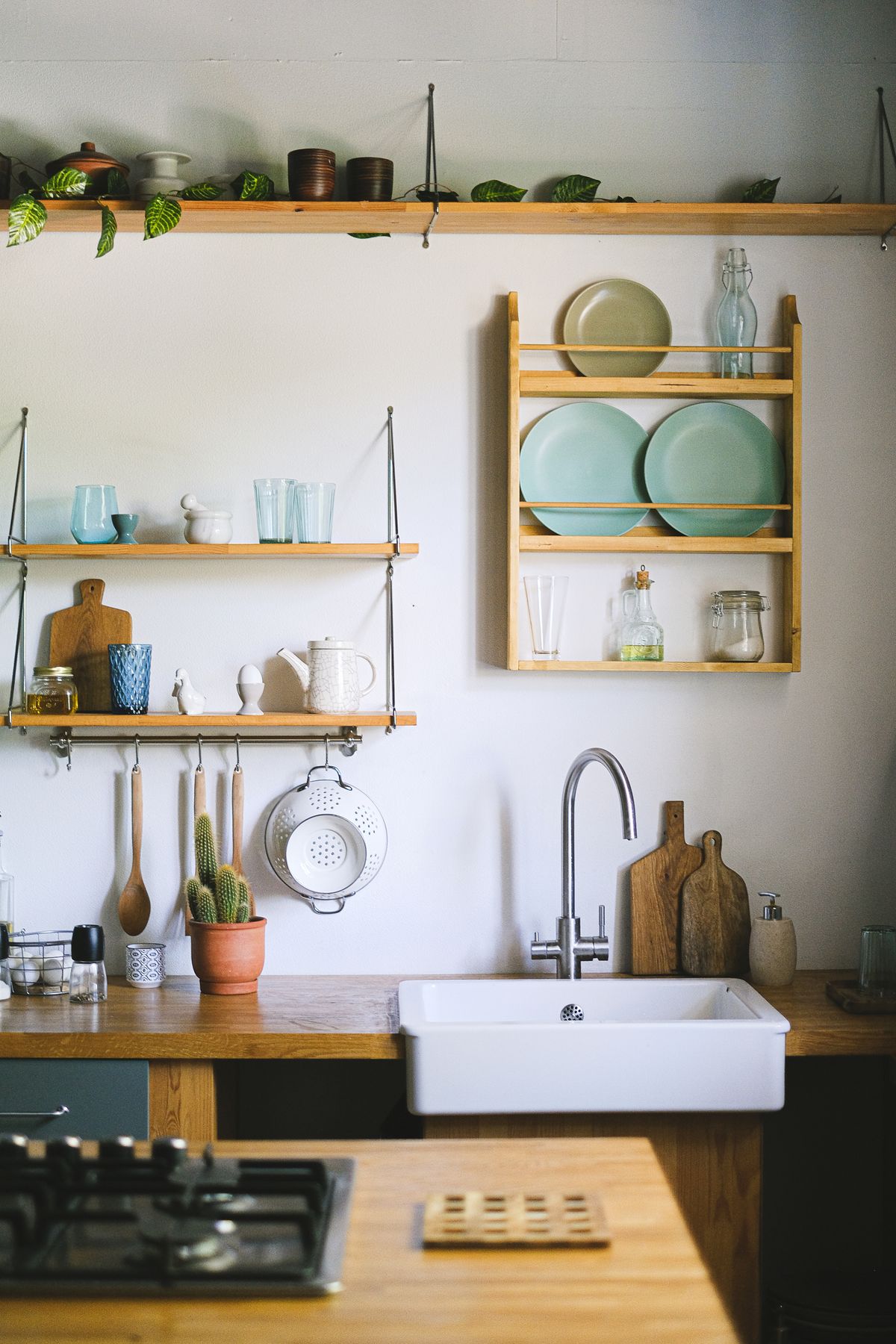
1. Empty, Clean, and Sort by Category First
Take everything out, wipe the shelves, check expiry dates, and sort into categories: grains and pasta, canned goods, baking, snacks, oils and sauces, and breakfast. This single step reveals duplicates, stale items, and the categories that actually dominate your pantry. Most tiny pantries hold at least one category that does not belong there — cleaning supplies, pet food, or random gadgets — and moving those out frees a whole shelf. Only put back what you genuinely cook with in a normal month.
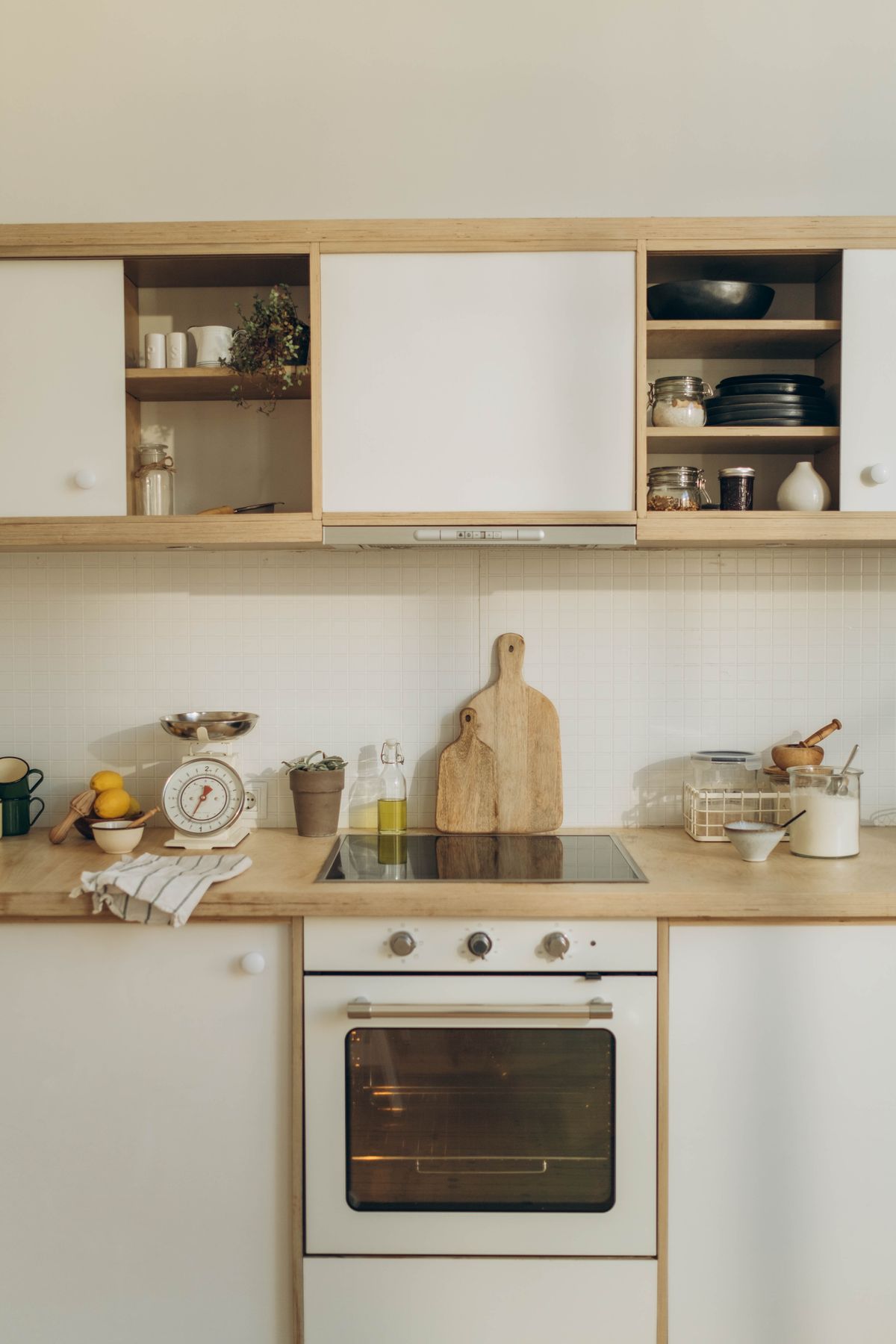
2. Decant Into Clear, Matching Containers
Clear containers turn a chaotic shelf into a readable one: you see rice levels, pasta shapes, and flour quantities at a glance, and square containers waste far less space than round ones. Decant only dry goods you buy regularly — flour, sugar, rice, oats, pasta — and label each container with its contents and expiry date. Do not decant everything; small packets, spice blends, and rarely used items are fine in their original packaging inside a bin. Matching containers also stop bags from collapsing and spilling.
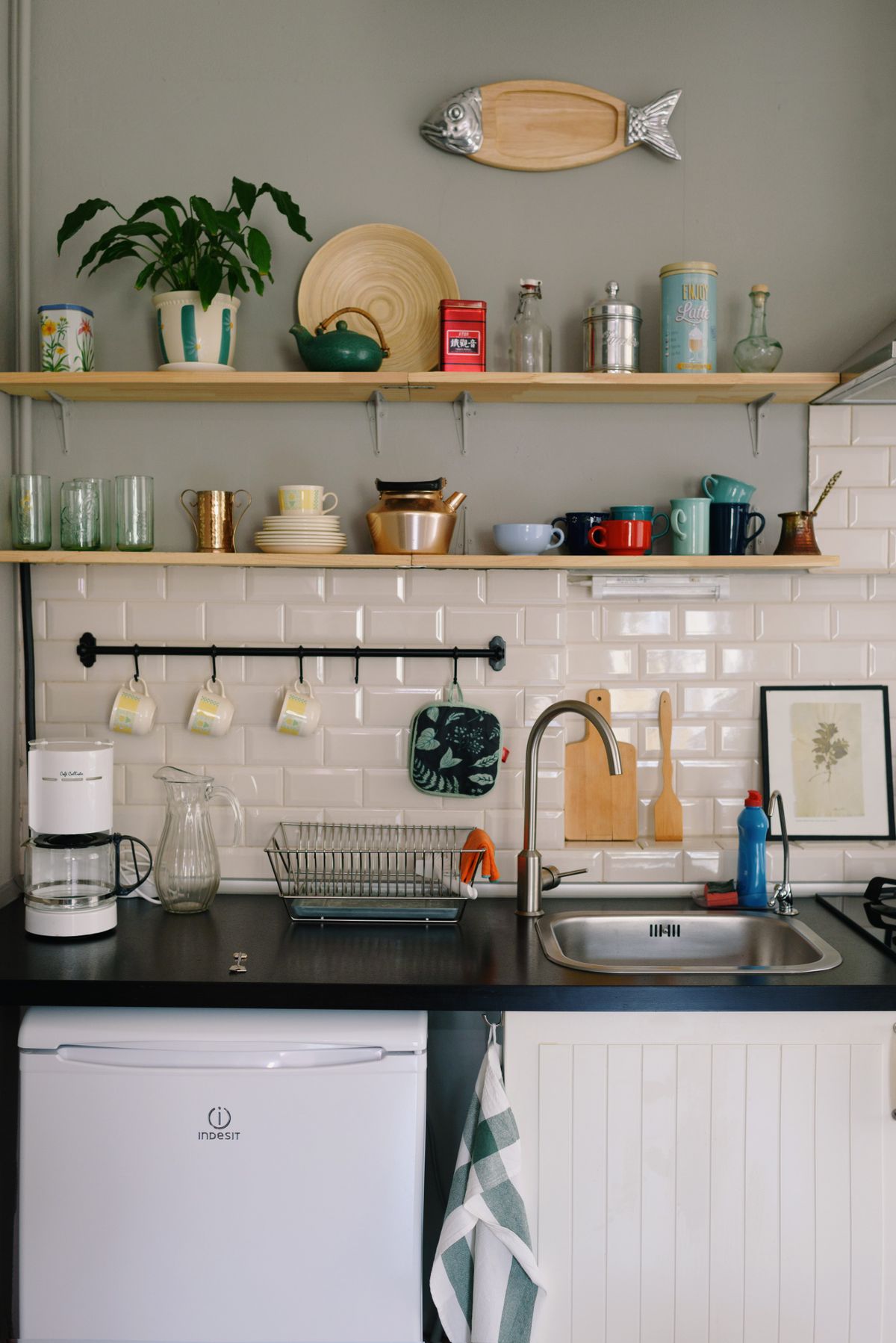
3. Use Turntables for Deep Shelves and Corners
Deep pantry shelves hide whatever sits at the back, which is how sauces expire unseen. A turntable — a lazy Susan — brings the back to the front with one spin, and it works in cabinets, pantry closets, and even on a fridge shelf. Use one turntable per category, not one giant one for everything, and choose a size that leaves a finger's width around the edge so it spins freely. In a corner cabinet, a turntable is the difference between usable space and a black hole.
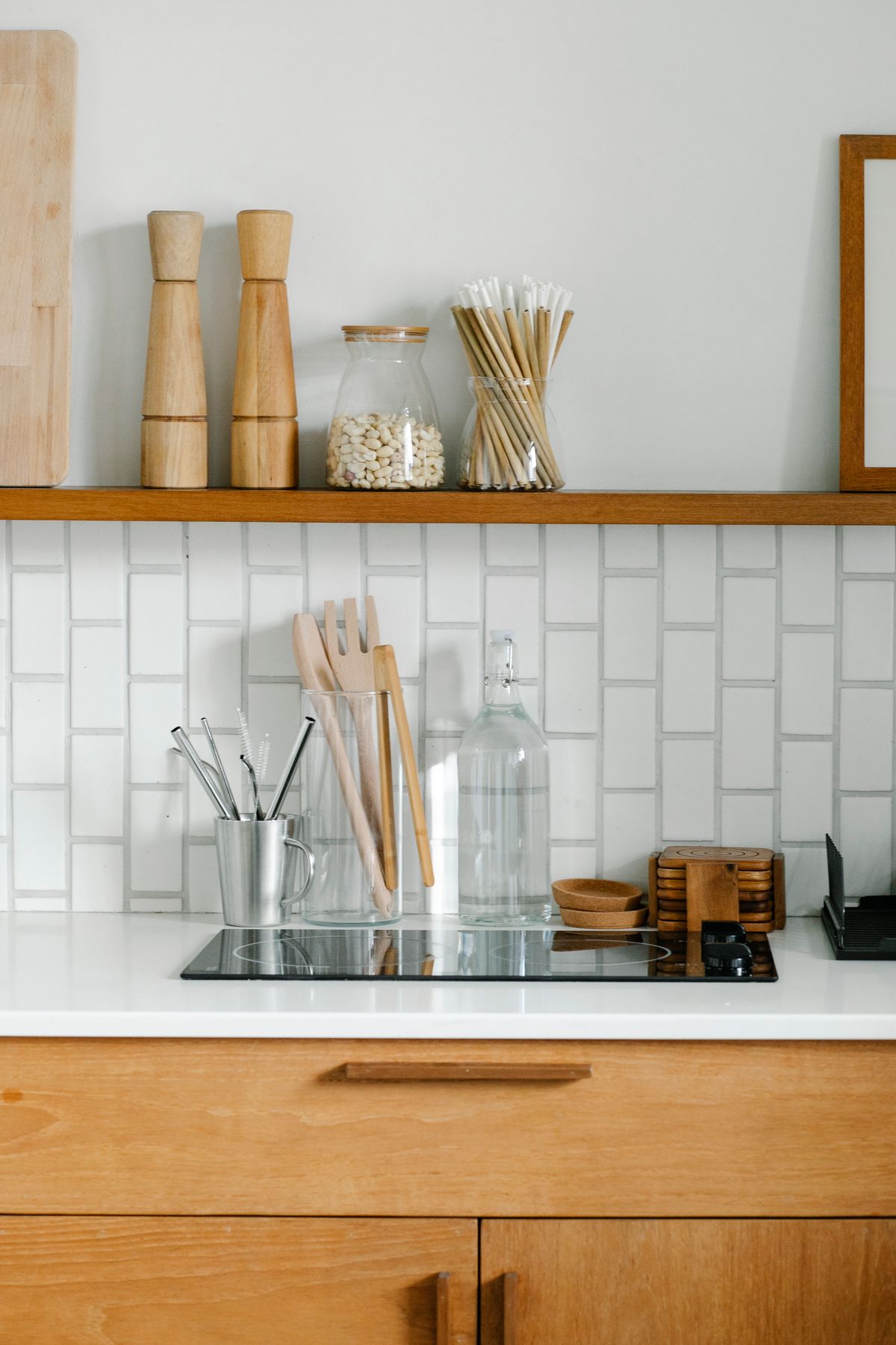
4. Add Shelf Risers to Double Usable Height
Most pantry shelves waste the vertical space above short cans and jars. A shelf riser — a small metal or bamboo step shelf — creates a second level, so small cans sit raised behind taller ones and nothing hides. Measure shelf height before buying, and leave enough clearance to lift items out without scraping. Risers are inexpensive, need no installation, and move with you, which makes them one of the best first buys for any tiny pantry, rented or owned.
5. Put Everyday Items at Eye Level
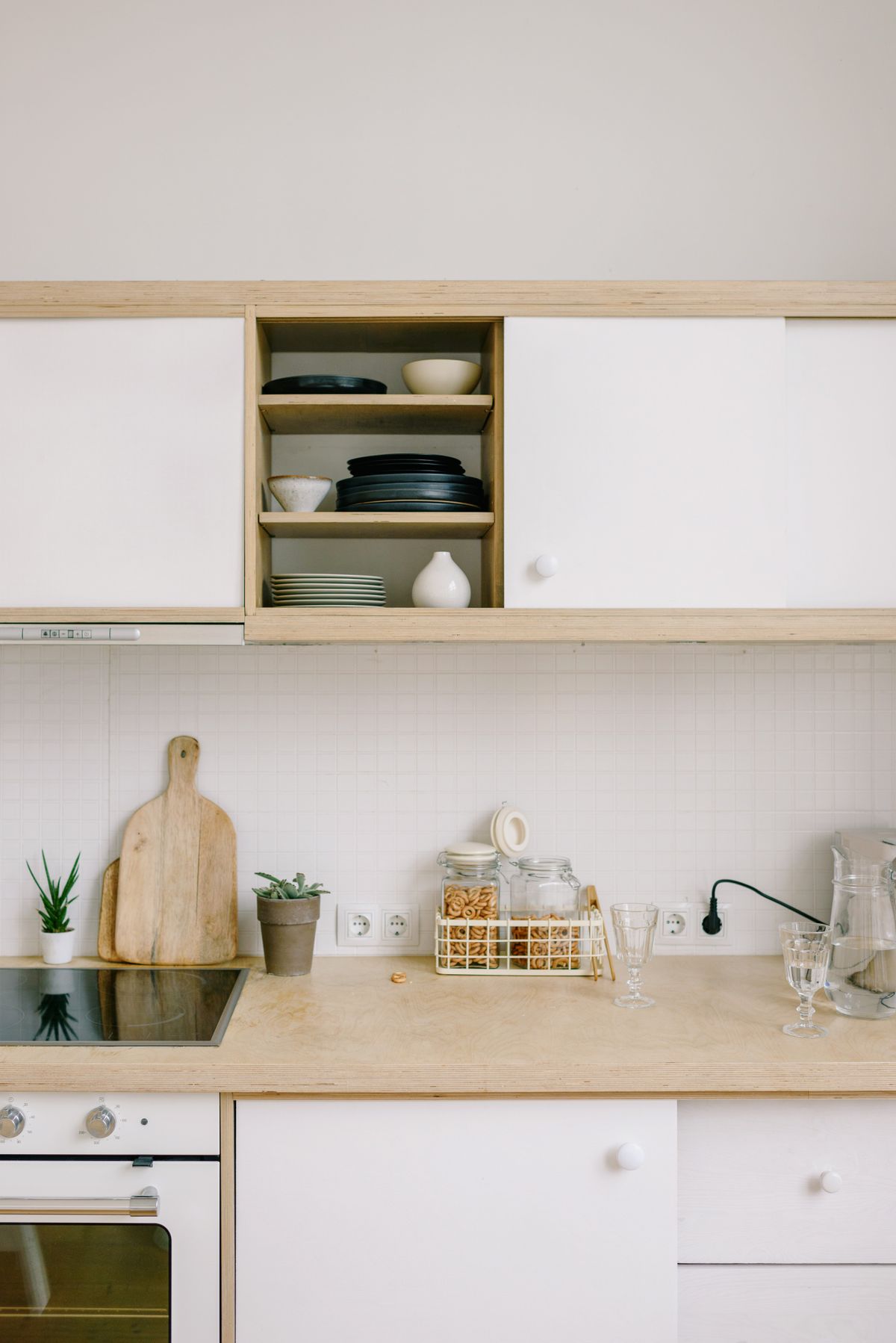
The foods you cook with daily — oils, salt, coffee, breakfast staples — belong between waist and eye height, where you can reach them without a step stool or a crouch. Heavy items like flour and large cans go low, where they are safer to lift, and rarely used baking supplies go high. This one rule cuts most pantry frustration, because the daily scramble no longer disturbs the whole shelf. If you share a kitchen, agree on the eye-level zone together so it stays consistent.
6. Use the Door and the Sides for Small Items
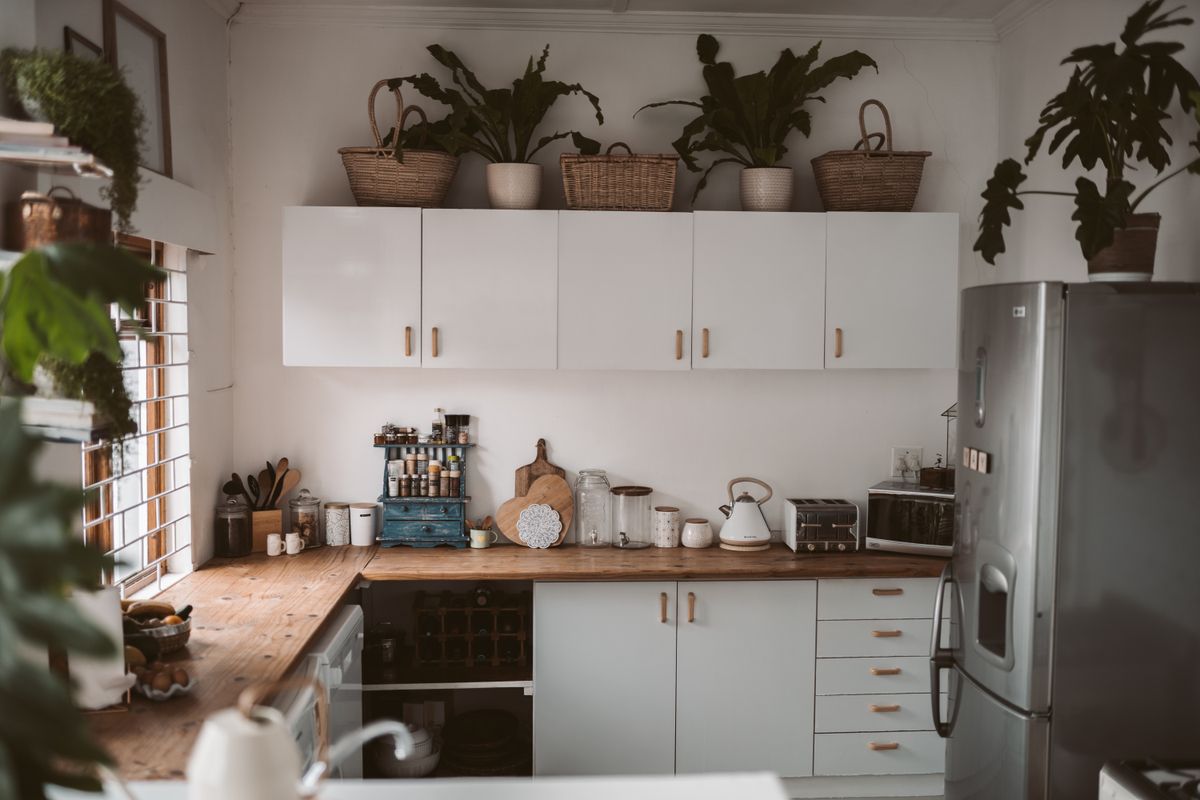
Pantry doors and side walls are prime real estate for spice racks, small baskets, and hooks that hold packets, wraps, and clips. An over-the-door rack or an adhesive-mounted rack inside a cabinet door keeps small items visible without taking shelf space. Keep the door load light and balanced so hinges stay aligned, and avoid hanging anything that will swing into the shelves when the door closes. In a rental, adhesive racks and over-door organizers leave no marks at all.
7. Zone the Pantry Like a Tiny Shop
Think of your pantry as a shop with departments: breakfast in one zone, cooking staples in another, snacks in a third, and baking in a fourth. Each zone gets its own bin or shelf section, and items never migrate between zones. This makes shopping lists easy — you check zone by zone — and it stops the classic problem of snack foods colonizing the cooking shelves. Label the zones only if the household needs labels; otherwise, consistent placement does the job on its own.
8. Contain Snacks in One Basket, Not Five Bags
Snack bags are the fastest pantry clutter: half-open, crumpled, and impossible to stack. One basket or bin per snack category — sweet, savory, kids' snacks — contains them, keeps them visible, and makes it obvious when the basket is full. Use clips on opened bags inside the basket, and keep the basket at a height kids can reach safely if they help themselves. When the basket overflows, that is the signal to finish something before buying more, not to start a second basket.
9. Keep a Running "Use First" Spot
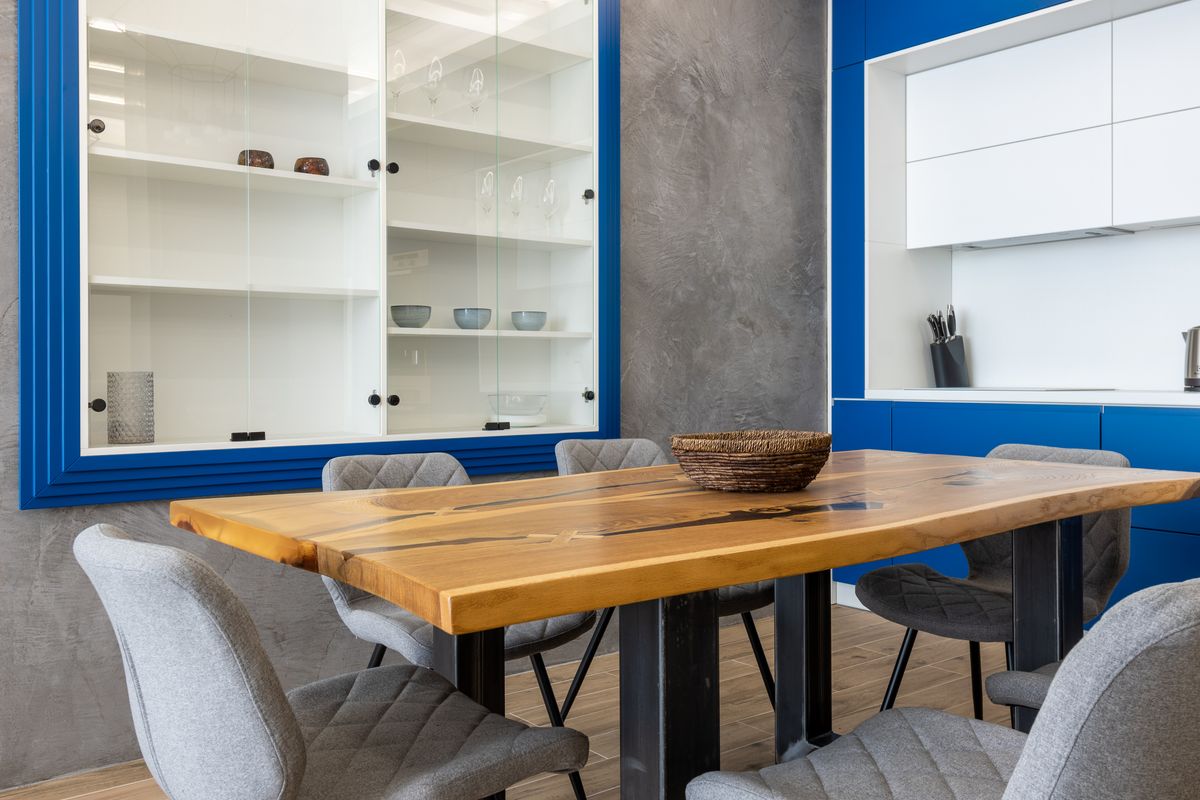
Food waste in a small pantry usually comes from items bought, forgotten, and found expired. A small "use first" basket or shelf front — for opened items, near-expiry foods, and leftovers of ingredients — makes sure those get cooked before newer purchases. Move new groceries behind older ones when you unpack, the same first-in, first-out rule shops use. Checking the use-first spot before meal planning turns pantry organization into actual money saved every week.
10. Use Stackable Bins for Cans and Packets
Stackable bins with a front opening let you store cans and packets like a shop shelf: new items go in the back, older ones slide forward, and nothing gets buried. Clear bins work best, since you can see stock levels, but labelled opaque bins suit a pantry you want to look calm from the outside. Measure depth carefully — a bin that sticks out past the shelf edge will catch every passing sleeve and hip. One bin per category keeps the system simple enough to maintain.
11. Store Bulky Items Elsewhere, Honestly
Not everything belongs in the pantry. Bulk packs, party supplies, and rarely used appliances belong in a hall closet, on top of cabinets, or under the bed, not crammed into the daily pantry where they block everyday food. Be honest about what "pantry" means in your home: it is the food you cook with this month, not a warehouse. Moving bulk storage out often frees more space than any organizer product, and it costs nothing at all.
12. Do a Ten-Minute Reset Every Month
Pantries drift: a new product arrives, a bag gets tossed in, a bin migrates. A ten-minute monthly reset — check expiries, wipe shelves, return strays to their zones, and write the shopping list from what is actually missing — keeps the system working without a full reorganization. Tie it to an existing habit, like the first grocery shop of the month, so it sticks. If the reset keeps taking longer, the pantry is holding too much again, and a small purge is due.
Before you buy organizers, run through this checklist: measure shelf width, depth, and height, including the door clearance, since most organizer returns happen because a bin or turntable is a centimeter too wide; count how many items each category actually holds before choosing container sizes; and favor clear, square, stackable containers for dry goods and open bins for cans and snacks. Buy one zone's worth of organizers first, live with them for two weeks, and only then complete the pantry — a system proven in one zone is far more likely to survive in all of them.
Final Thoughts
Start with the purge and the zones, then add one turntable and one set of clear containers. Those three moves will transform most tiny pantries within an afternoon. For more kitchen ideas, see our guides on small kitchen open shelving ideas and tiny kitchen organization ideas you will want to copy. If you only make three moves this weekend, make them the purge, the zones, and one turntable: together they reveal what you actually cook with and stop the daily hunt behind the cans. Live with those zones for a month, run the ten-minute reset with the first shop of each month, and add clear containers zone by zone only where the system proves itself.



0 Comments