
12 Small Living Room Rug Layering Ideas for Tiny Spaces
Rug layering looks effortless in photos and risky in a tiny living room: too much rug, and the floor disappears; too little, and the layers look like a mistake. Done right, though, layering is one of the best small-space tricks there is. A large, affordable base rug defines the seating area, and a smaller, prettier rug on top adds color, pattern, and softness exactly where you want it. These 12 ideas keep layers flat, safe, and proportional in US, Canadian, UK, and Australian living rooms, including rentals with floors you cannot change.
1. Start With a Base Rug That Fits the Seating Area
The base rug sets the room's boundaries, so size it first and layer second. In a small living room, the base should sit under the front legs of the sofa and chairs at minimum, ideally under all legs. A base rug that is too small makes the furniture look scattered, while one that runs wall to wall reads as carpet. Measure the seating group, not the room, and leave 8 to 12 inches of bare floor around the base rug so the layers have a frame.
2. Layer a Smaller Rug on Top — Never the Reverse
The top rug should be clearly smaller than the base, usually by at least 18 inches on each side, so the layering reads as intentional. A top rug that nearly matches the base size looks like two rugs competing, not a design choice. Center the top rug on the coffee table or the main seating, and let the base rug's border show all around it. If the top rug keeps sliding, a rug pad or rug tape underneath solves it without damaging the base.
3. Pair a Neutral Base With a Patterned Top
The easiest layering formula is a plain base — natural jute, sisal-look, or flatweave wool in beige, gray, or charcoal — plus a patterned top rug in the colors you love. The neutral base keeps the room calm and the budget down, while the smaller top rug can be bolder, seasonal, or vintage without overwhelming the space. When you tire of the pattern, swapping just the top rug refreshes the whole room for a fraction of the cost of a new large rug.
4. Use Texture Contrast, Not Just Color Contrast
Two rugs in similar colors can still layer beautifully if their textures differ: a chunky jute base under a soft wool top, or a flat cotton base under a plush shag accent. Texture contrast is especially useful in small, neutral rooms where bold color would feel loud. Run your hand across both rugs before buying, and check the combined thickness — two thick rugs plus a pad can make doors stick and create a tripping lip at the edge.
5. Layer a Round Rug Over a Rectangle
Breaking the rectangle-on-rectangle pattern with a round or oval top rug instantly softens a boxy small living room. A round rug under a round coffee table, centered on a rectangular base, draws the eye to the seating group and makes the layout feel designed rather than default. Keep the round rug large enough to anchor the table and the front chair legs, or it will read as a doormat. This combination works particularly well in studios where the living area has no walls to define it.
6. Try Sheepskin or Faux Fur as a Soft Accent Layer
A sheepskin or high-quality faux fur throw rug draped over a chair, sofa arm, or the corner of the base rug adds warmth without committing to a second full rug. It is the lowest-risk way to try layering, it moves with the seasons, and it is easy to wash or shake out. In a tiny room, one sheepskin is plenty; two or three start to look like a ski lodge. Choose a neutral tone that matches the sofa so the accent reads as texture, not as a costume.
7. Keep Layers Low-Profile for Safety
Layered rugs must lie flat, especially in homes with kids, older adults, or pets. Use a non-slip rug pad under the base rug and rug tape or a thin pad between layers, and trim any curling corners with a rug weight or by reversing the roll overnight. Avoid thick pile-on-pile combinations at doorways and walkways, where a raised edge becomes a trip hazard. If a rug will not lie flat after a week, it is the wrong rug for layering, however beautiful it is.
8. Layer to Zone an Open-Plan Room
In an open-plan apartment, rug layers can mark where the living room ends and the dining or work area begins. A large base rug defines the living zone, and a smaller top rug anchors the coffee table within it, creating two clear layers of zoning without furniture rearrangement. Keep the base rug's edge at least a foot from the next zone's furniture so the zones do not blur. This trick is why layered rugs appear so often in studio apartment tours: they create rooms where walls do not.
9. Mix a Vintage Rug With a Modern Base
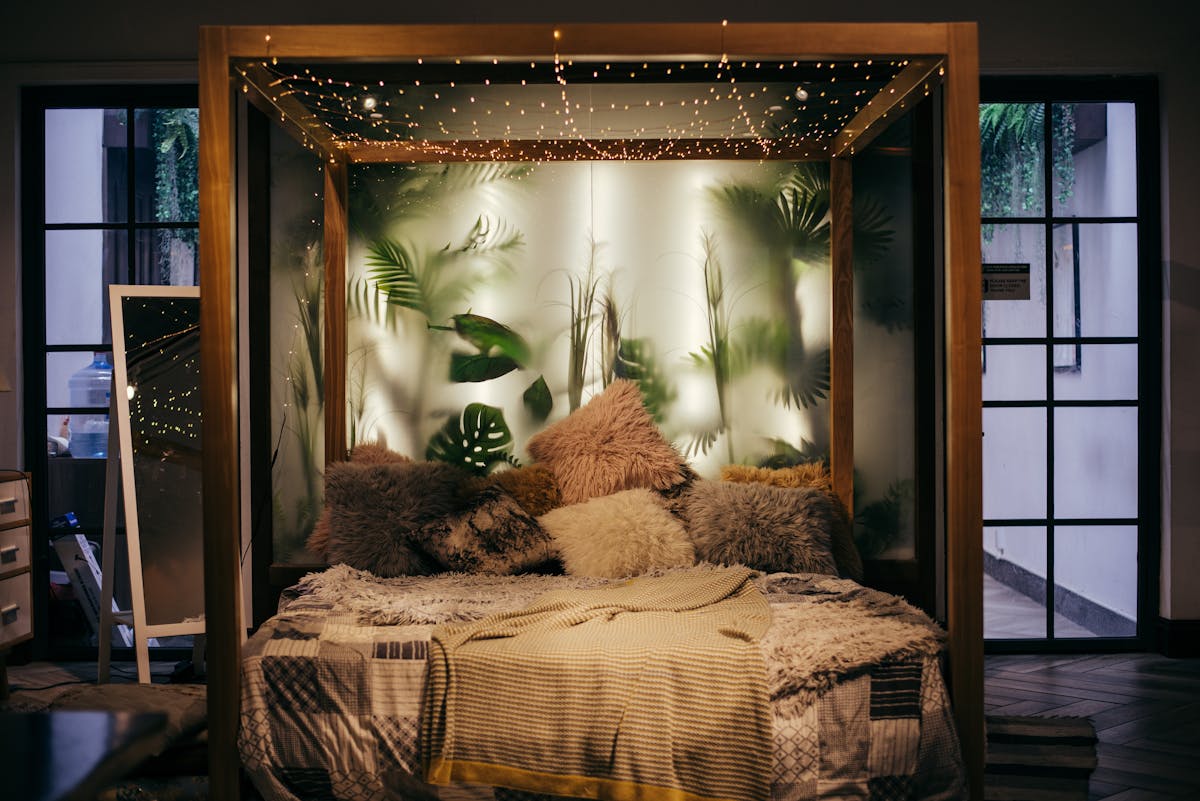
A vintage or vintage-style rug is often too small or too expensive to cover a whole living room, which makes it a perfect top layer. Lay it over an affordable modern flatweave base, and you get the character of the vintage piece with the coverage of the base. Check that the vintage rug's colors appear somewhere else in the room — a cushion, a throw, a print — so it looks collected rather than random. If the vintage rug is fragile, keep it out of the main walkway to protect it.

10. Use Layering to Hide a Rug You Can't Replace
Renters often inherit a rug — or a carpet — they would not have chosen, and replacing it is not an option. Layering solves this gracefully: a large neutral base rug covers most of the unwanted pattern, and a top rug you love becomes the visible layer. Choose a base rug in a solid color close to the room's palette, and keep the top rug proportionate so the base reads as a border, not a cover-up. When you move, both rugs move with you, and the landlord's floor is untouched.
11. Swap Only the Top Layer With the Seasons
Seasonal decorating is expensive when it means replacing large rugs, and cheap when it means swapping the top layer. A light cotton or flatweave top rug suits spring and summer, while a wool or shag top rug warms the room for fall and winter. Store the off-season top rug rolled, not folded, in a clean dry place, and vacuum the base rug while it is exposed. This rotation also extends both rugs' lives, since neither bears full foot traffic all year.
12. Know When Not to Layer
Layering is not right for every tiny living room. If the room is already pattern-heavy, if the floor is a beautiful hardwood you want to show, or if the seating area is so small that two rugs would cover nearly all the floor, a single well-chosen rug is better. The test is simple: photograph the room with the layers, then remove the top rug and photograph again. If the room looks calmer and larger without it, trust the photo. Good design in a small space is often about what you leave out.
Before you buy, run through this checklist: measure the seating group and the door clearances, since layered rugs plus pads can lift a rug enough to catch a door; check cleaning instructions for both rugs, because a top rug that cannot be washed will show every coffee spill in a small room; and test the combination at home for a week with the return window in mind, walking on it in socks and shoes, vacuuming it, and checking for sliding. Keep receipts and packaging until you are sure, and photograph the layers from the doorway — the view visitors actually get — before deciding the combination works.
Final Thoughts
Start with a neutral base that fits your seating area, add one smaller rug you love, and secure both layers so they lie flat. That single pairing will teach you more about layering than any shopping spree. For more living room ideas, see our guides on small living room ideas and small living room lighting ideas. If you only try one pairing this weekend, make it a neutral base and one patterned top rug you love: it is the combination that teaches you how layering works in your room, at a fraction of the cost of a new large rug. Live with it for a week, check that both layers lie flat and stay put, and swap only the top layer when the seasons change.



0 Comments